

Nature
Old plantings, botanical diversity and the waterscape form the basis for future surveys and care recommendations.
Regional natural monument
A historic estate park and an active protected natural area. Zelino Park connects natural heritage, the noble history of Zalino and a documented early-20th-century estate complex.
Verified facts
Natural and historic landscape
State cadastral material describes Zelino Park as an estate and park of the late 19th and early 20th centuries and records its historic, memorial and architectural value. Archival records from 1918 add the estate of E. I. Zhukova and M. I. Pleskovskaya in Zalino to this history.
An unapproved passport reproduced in the cadastral report associates the site with old-growth mixed woodland, broad-leaved trees and historic, landscape, dendrological and botanical value. These characteristics guide a future survey rather than replace it.
Project direction
The candle works remains the main focus of Zelino 1893. Caring for the neighbouring park is a related direction: preserving not only trees and natural communities, but also the historical meaning of its estate landscape.
Old plantings, botanical diversity and the waterscape form the basis for future surveys and care recommendations.
Documents and maps will help establish the properties’ layout and the locations of the house, garden and avenues, without an invented reconstruction.
The park’s recreational and educational value is considered alongside nature conservation. This is not a promise of unrestricted public access.
Restoration is a project goal. The research foundation is taking shape; physical work and estate reconstruction are not announced as started or approved.
Sources and interpretation
Local-history tradition associates the park with Maria and Konstantin Khokhlov and dates its creation to 1894. Scholarly and archival sources show a more complex picture: Zalino contained several estate properties, while 1918 records document the estate of E. I. Zhukova and M. I. Pleskovskaya. Research into the properties and their precise locations continues.
Vegetation in the published inventory
All 21 names from the protected-area description are reproduced below. The list is not a complete present-day inventory and does not confirm the survival of every specimen.
The published description names seven kinds of trees in the old park.
7 speciesName from the published inventory
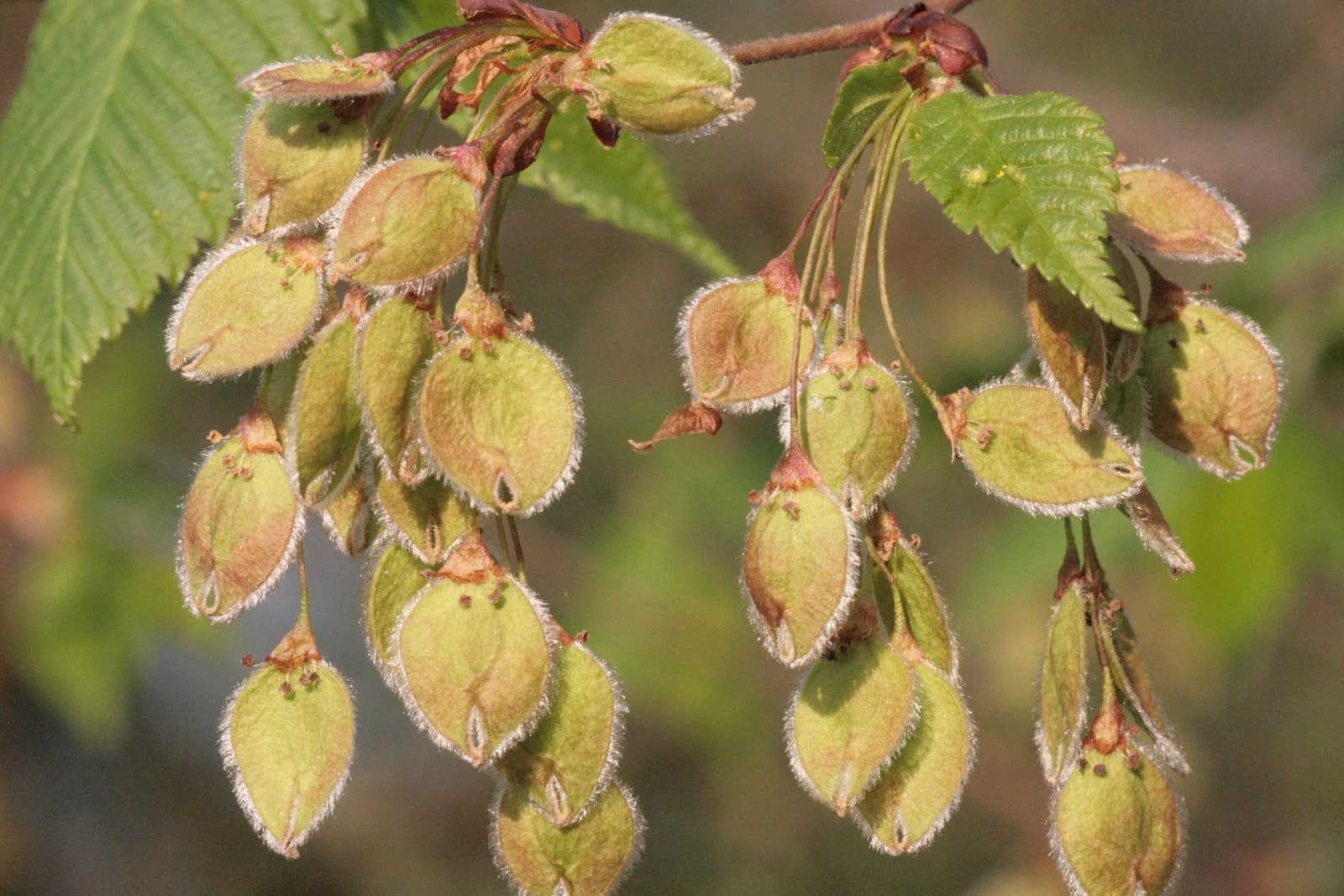
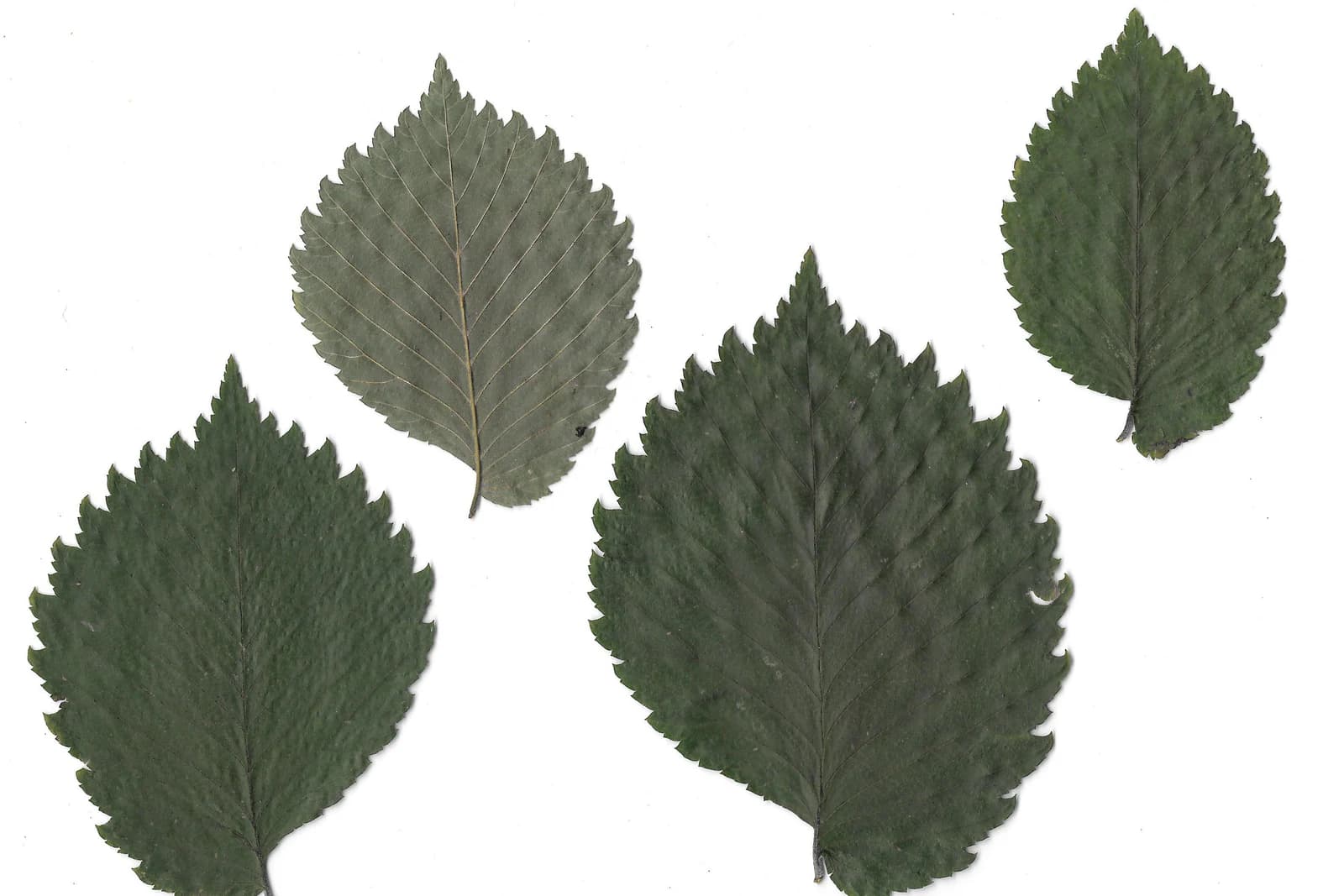
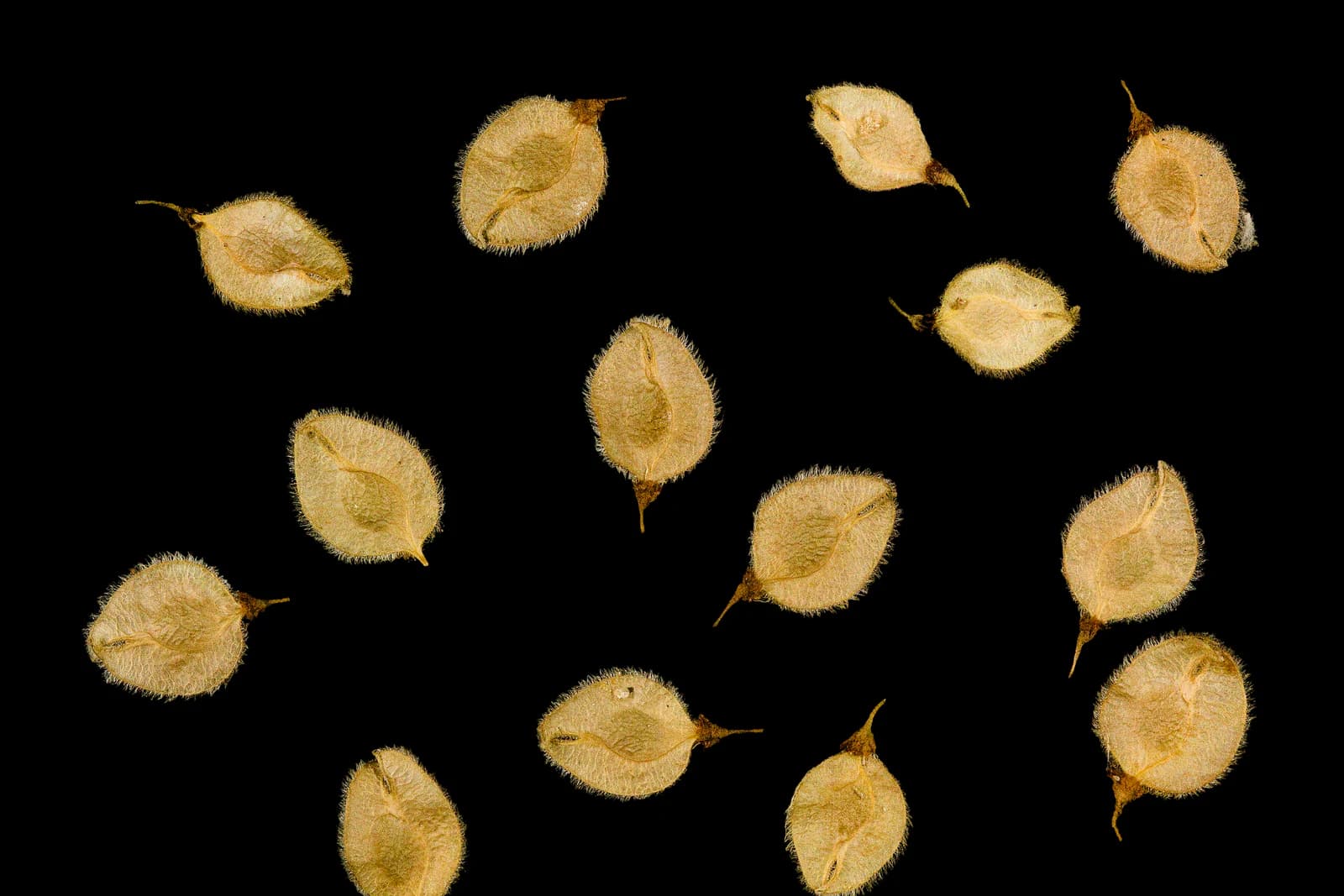
Representative shown: European white elm · Ulmus laevis Pall.
A deciduous tree with serrated leaves and a dense spreading crown; the inventory does not identify the species.
Name from the published inventory
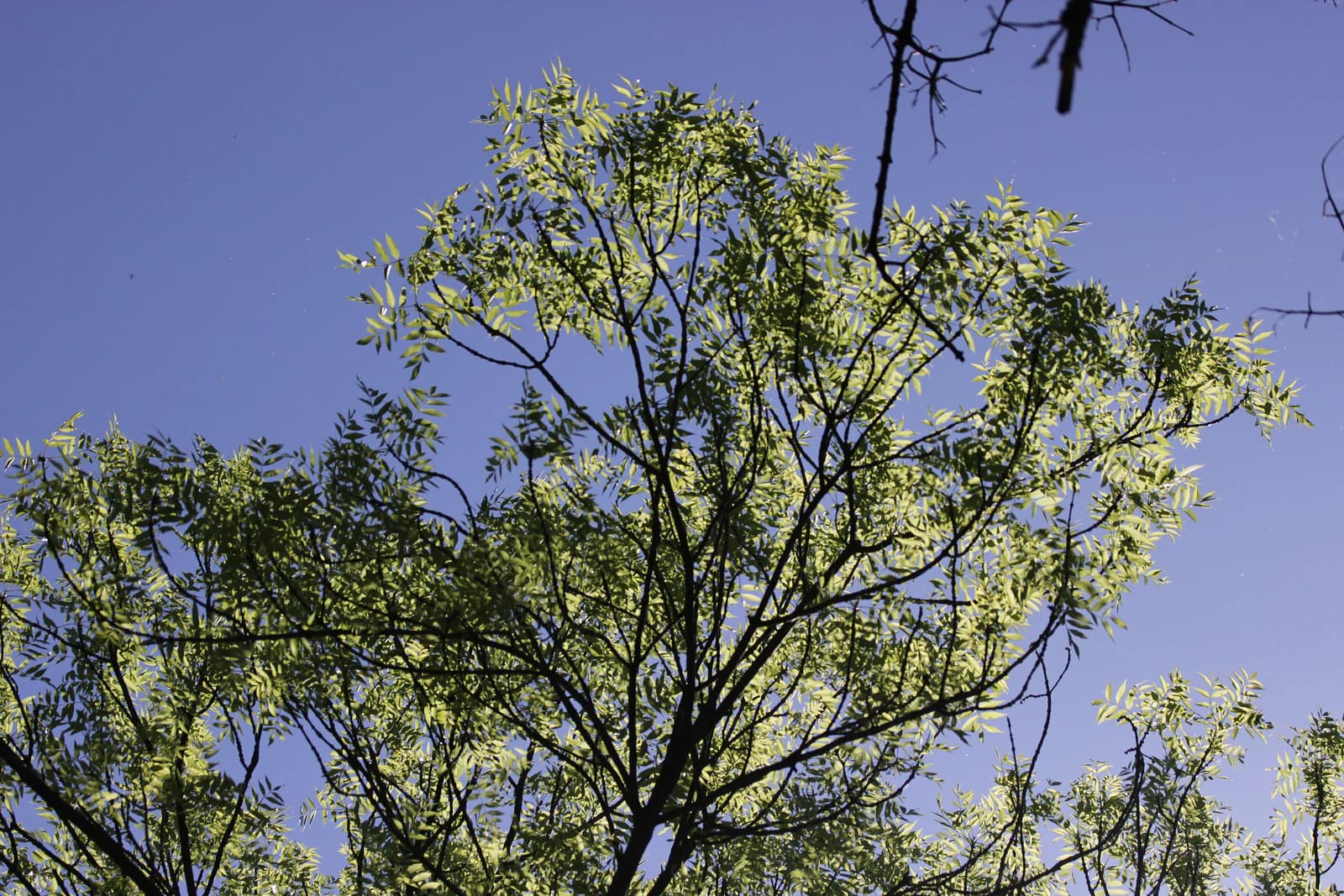
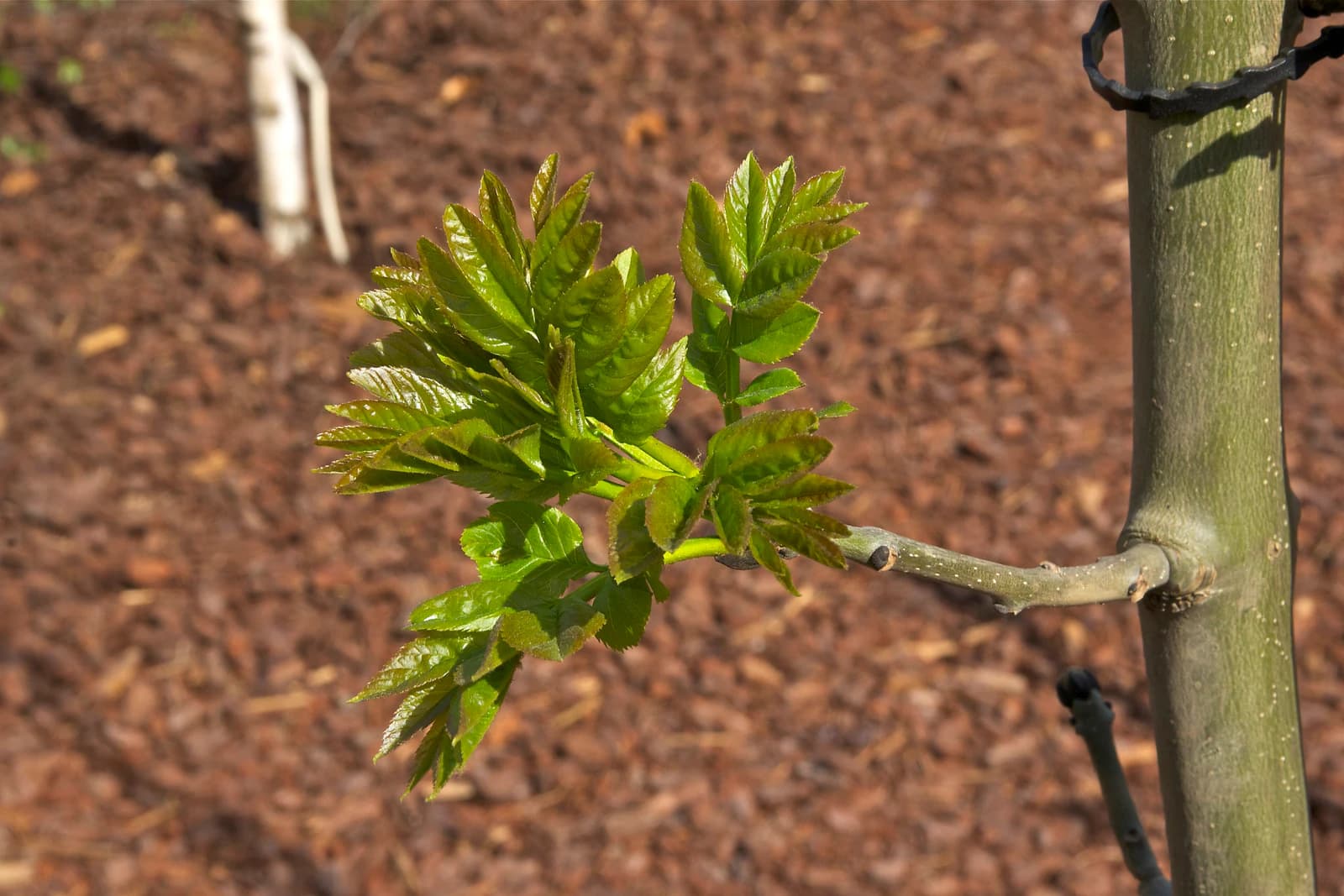
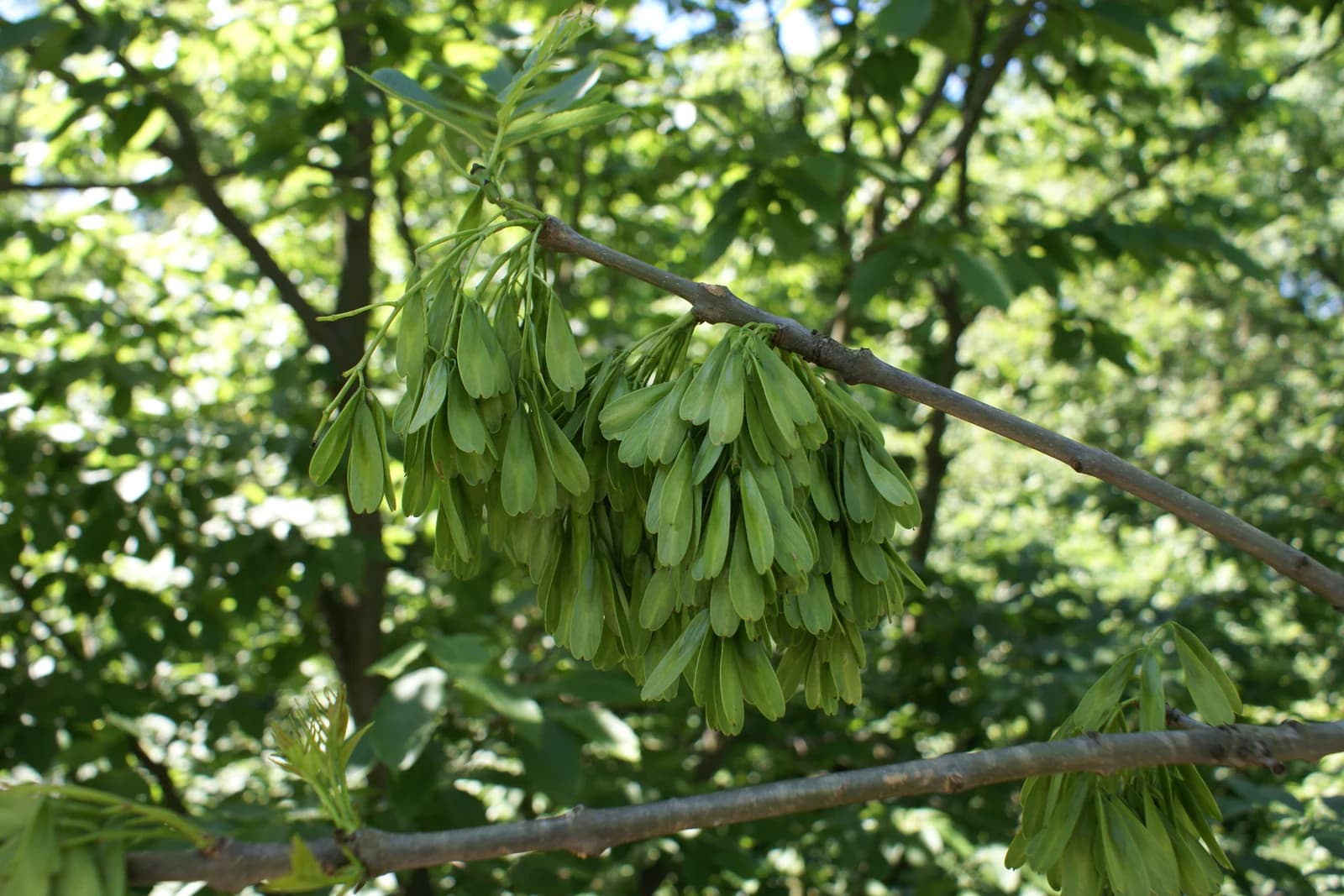
Representative shown: European ash · Fraxinus excelsior L.
A tall tree with characteristic compound leaves; the source does not name a particular species.
Specifically recorded in the cadastral report
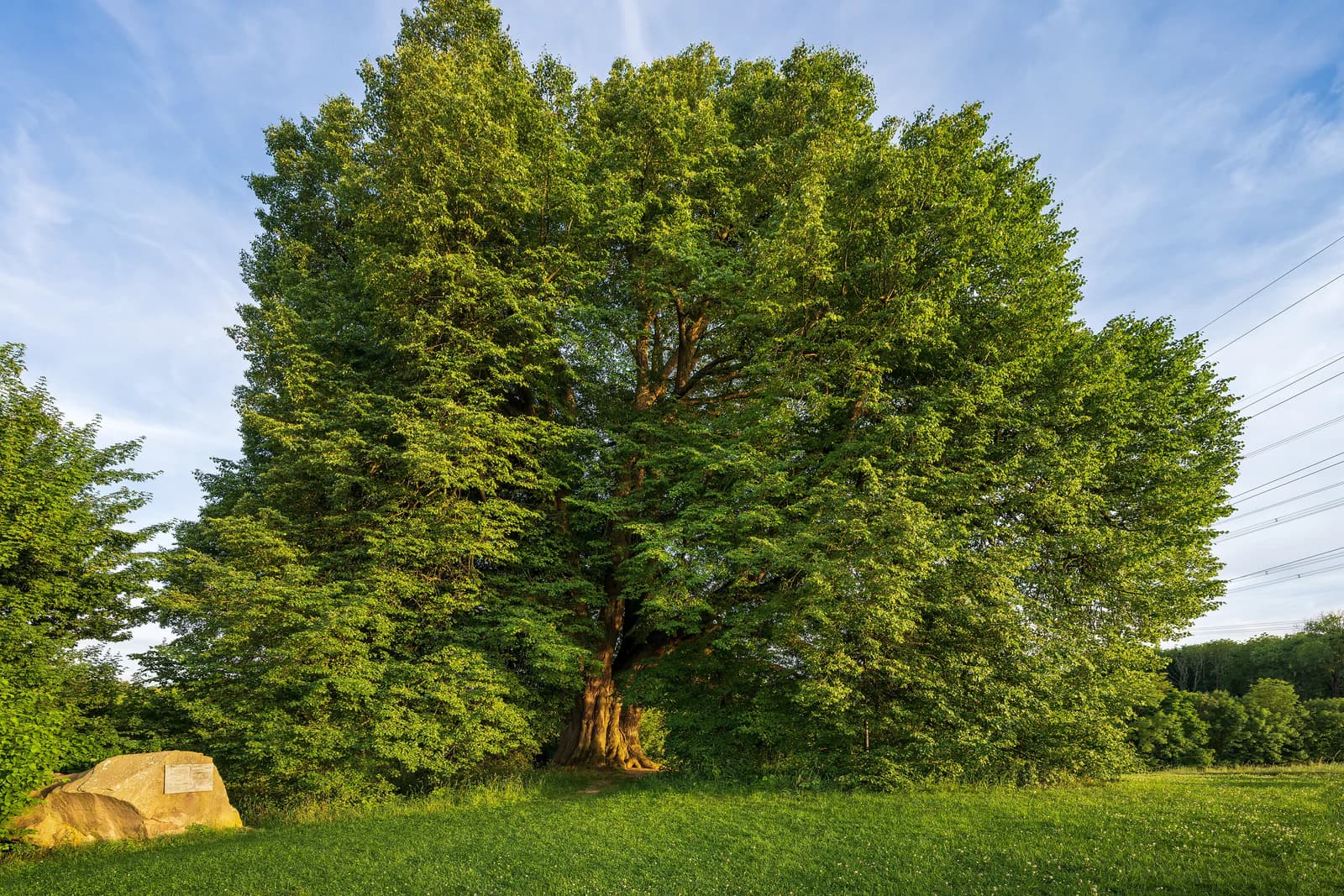
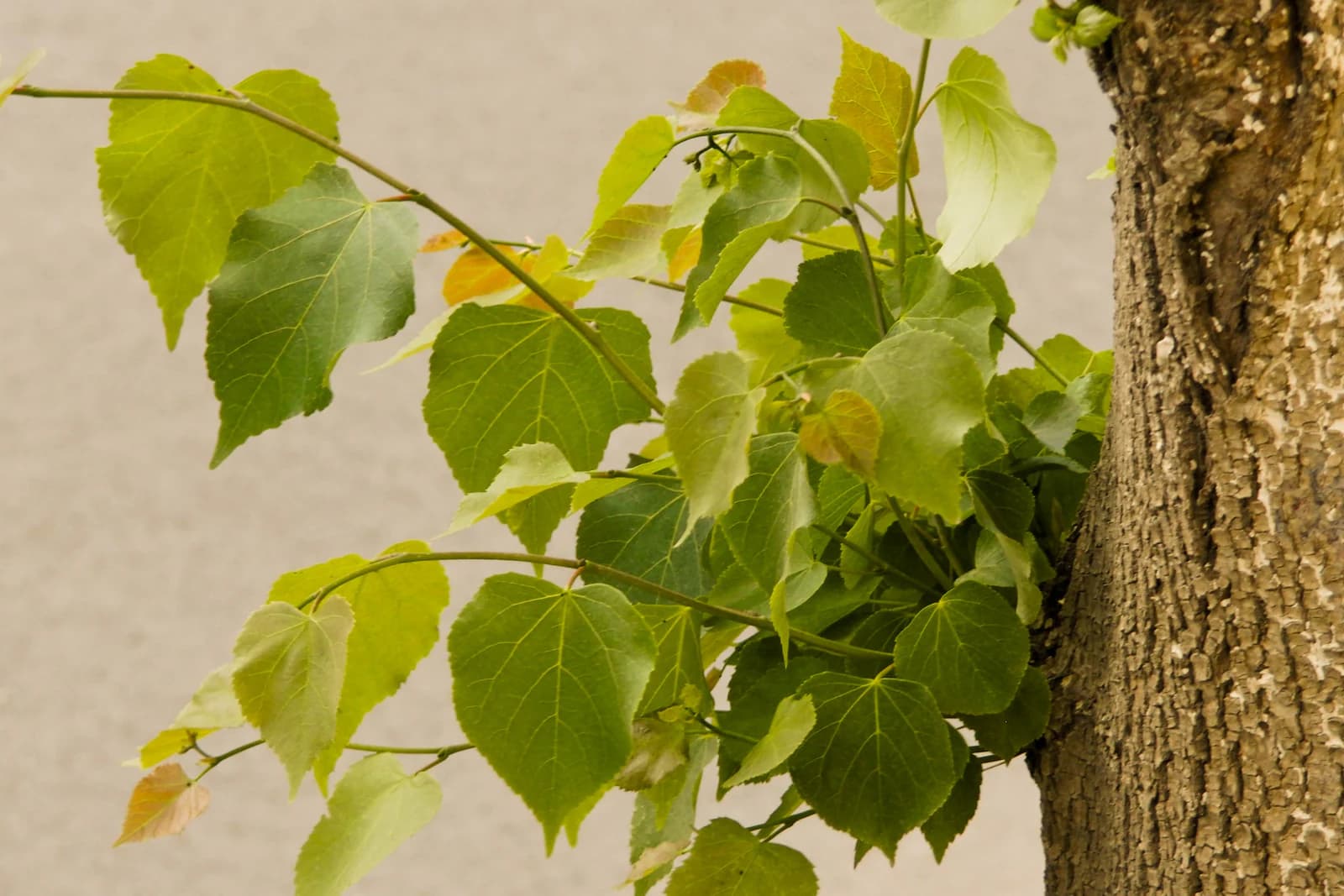
Tilia cordata Mill.
The only species recorded separately in the cadastral flora table, where it is marked as Red-listed for Tver Region.
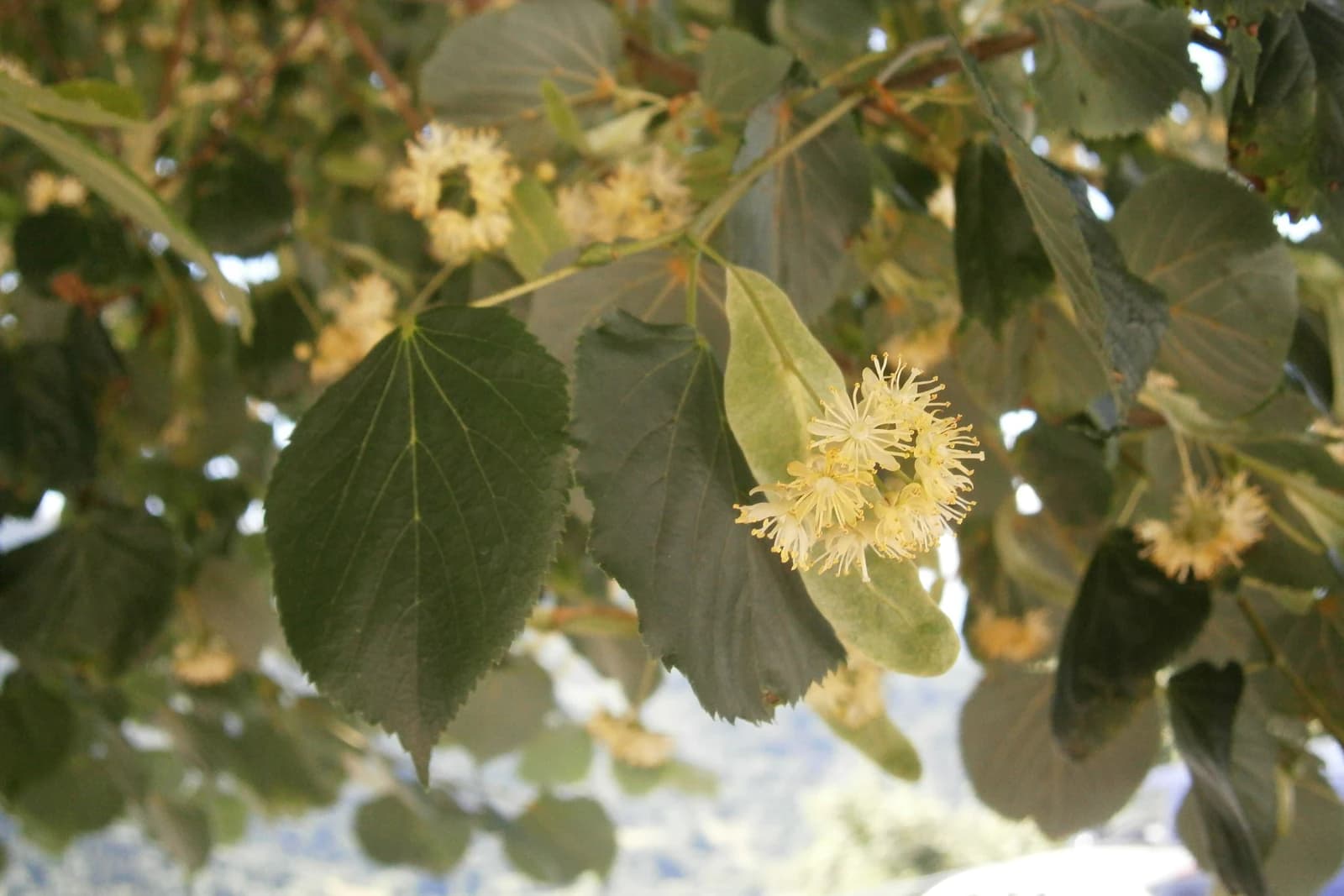
Name from the published inventory
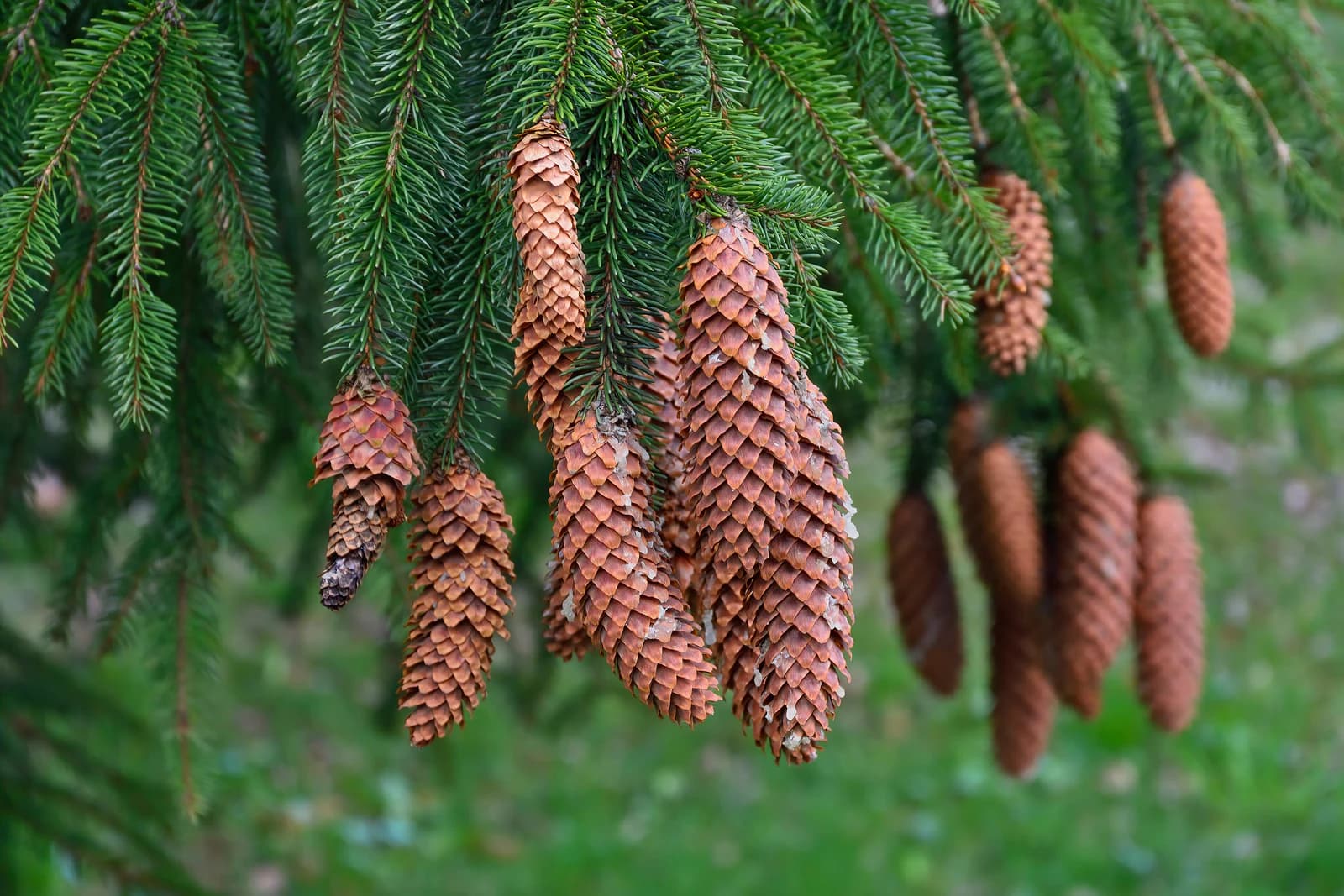
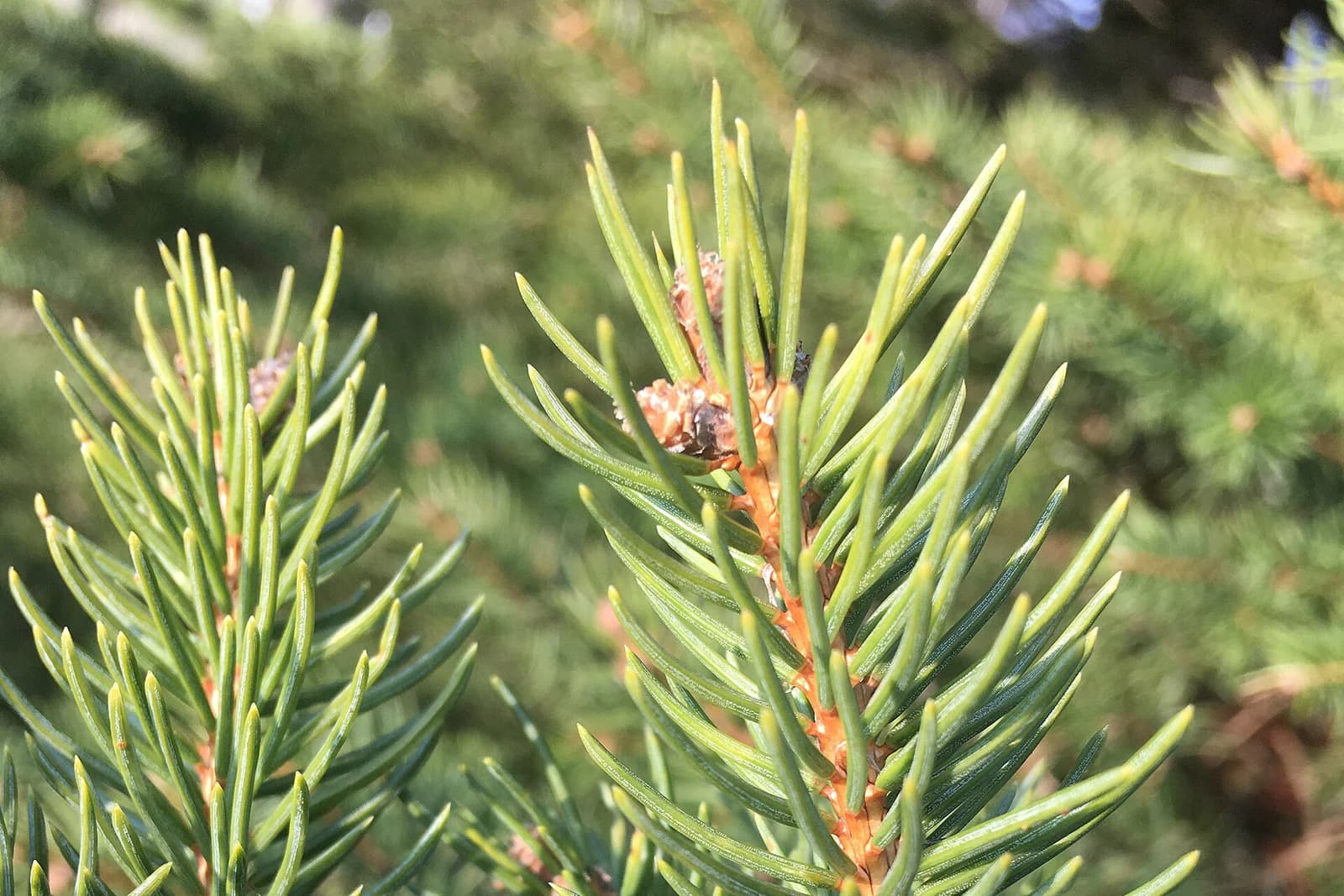
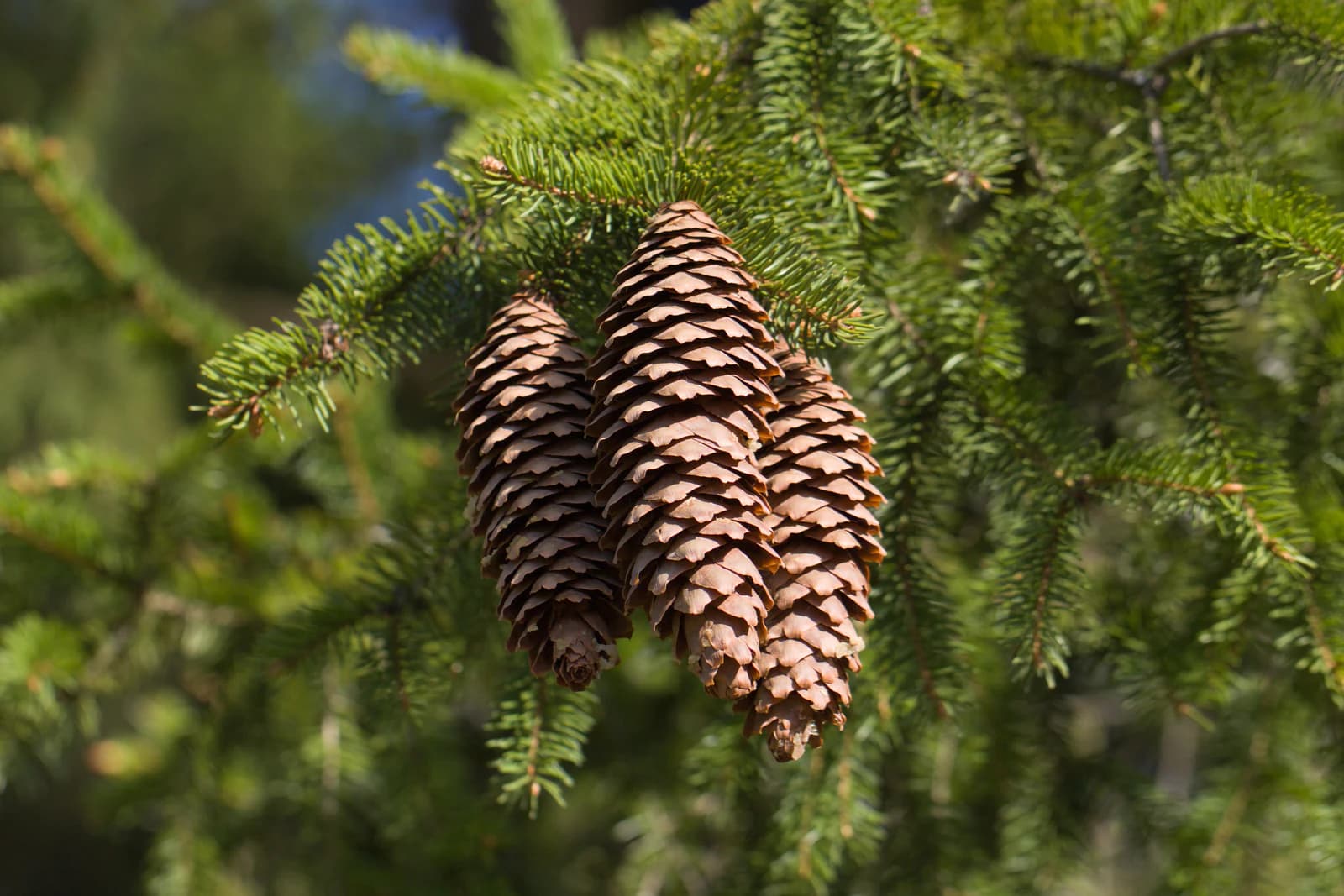
Representative shown: Norway spruce · Picea abies (L.) H.Karst.
An evergreen conifer with short individual needles; the published description does not identify the species.
Name from the published inventory
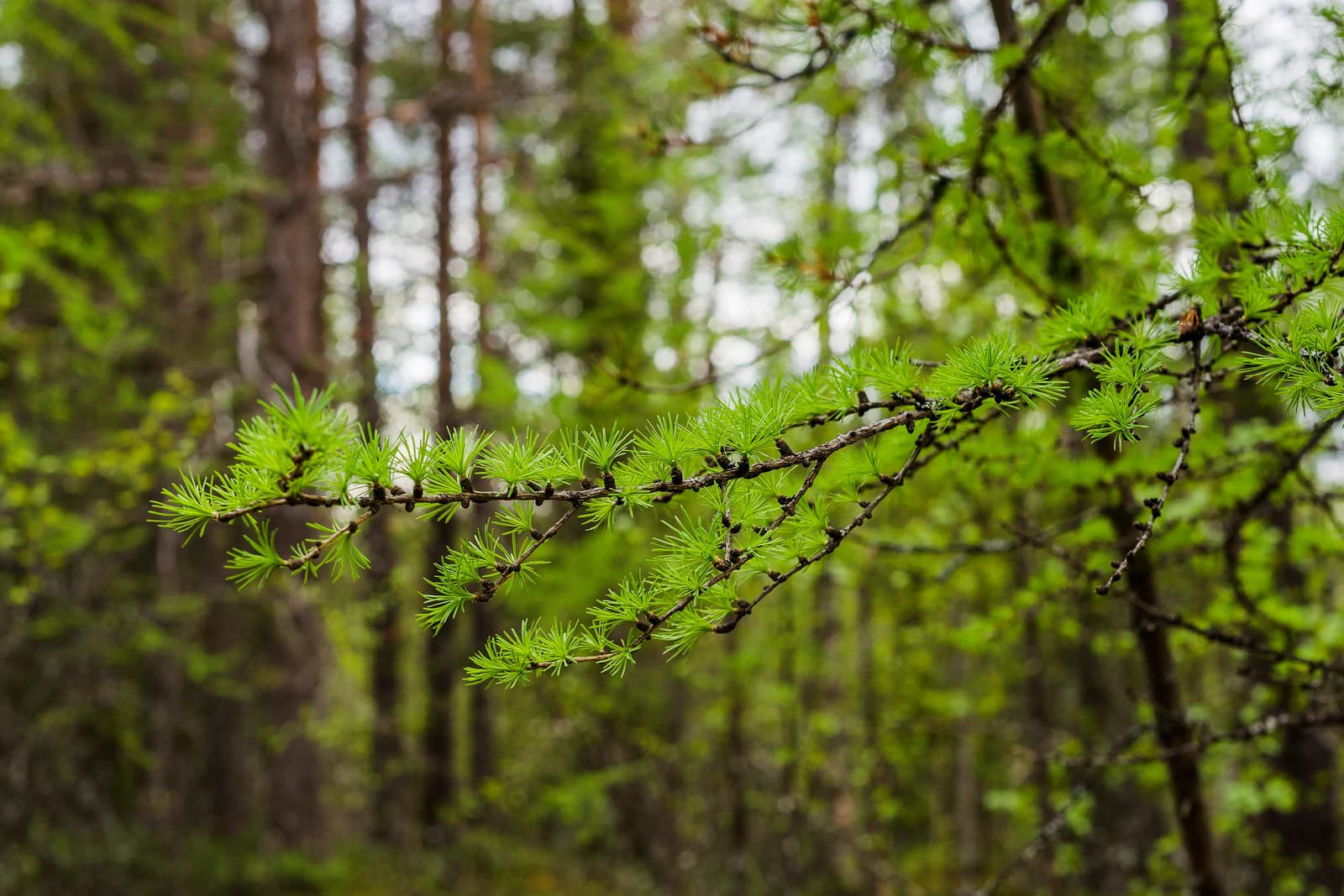
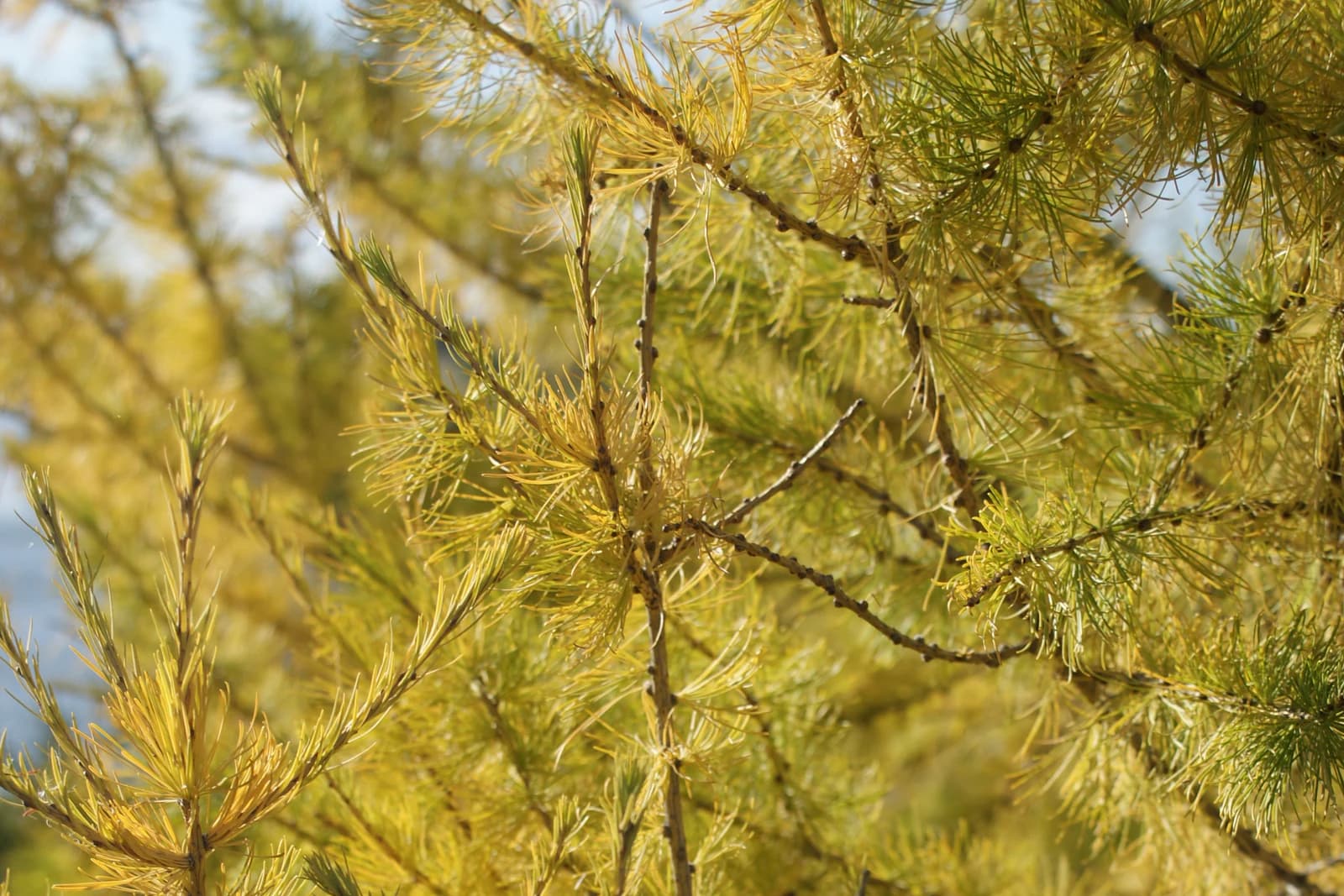
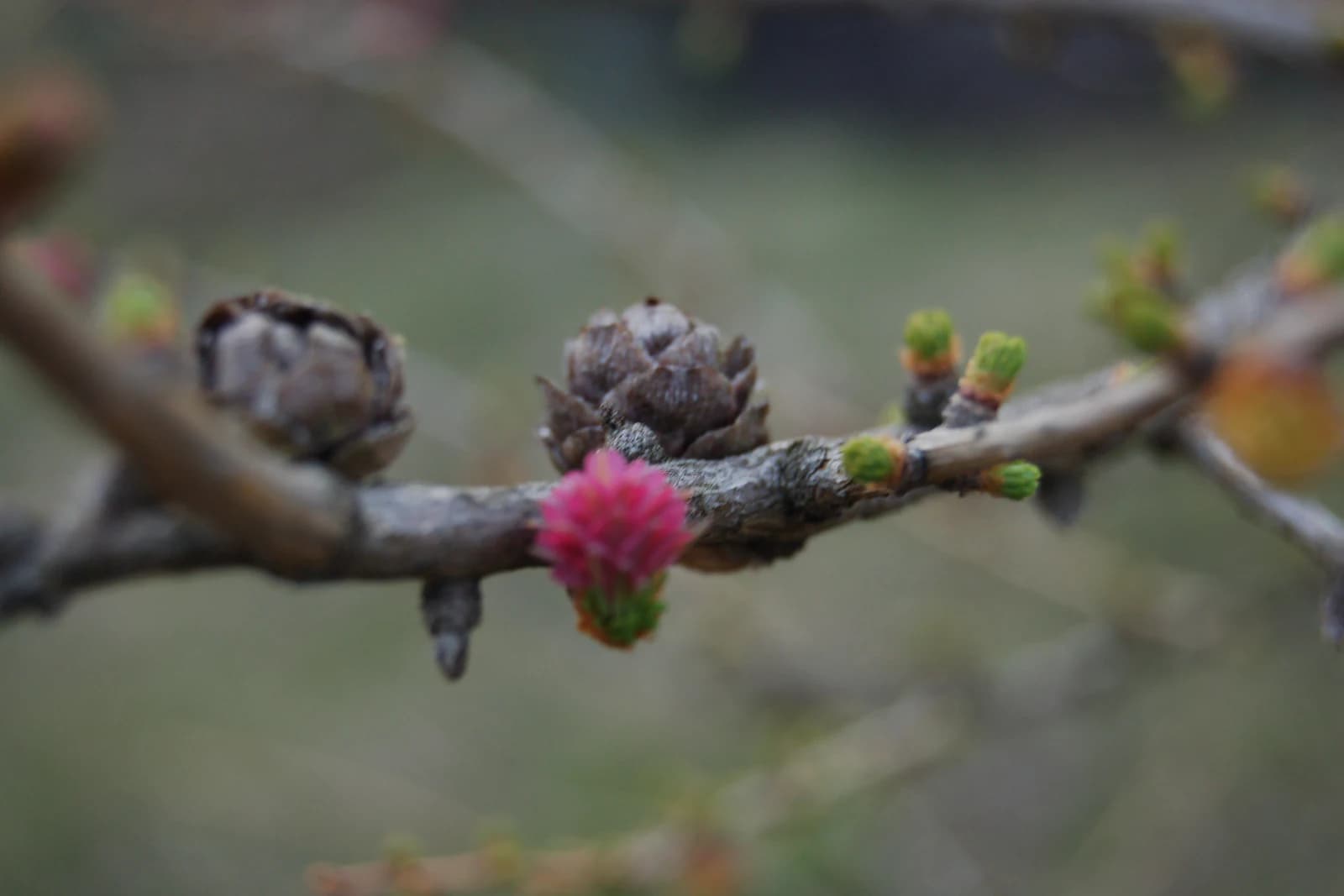
Representative shown: Siberian larch · Larix sibirica Ledeb.
A conifer that sheds its soft needles for winter; the exact species requires field identification.
Name from the published inventory
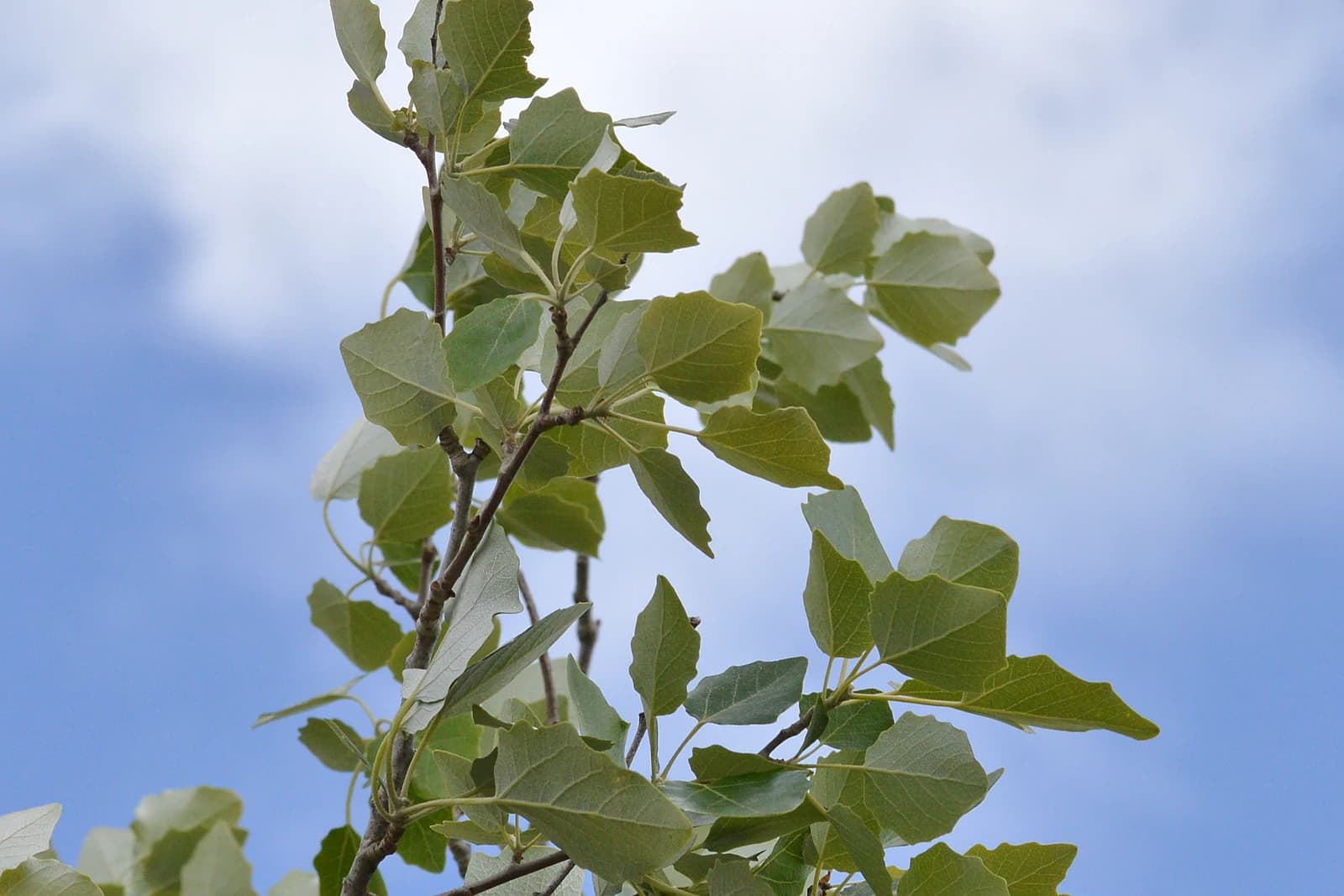
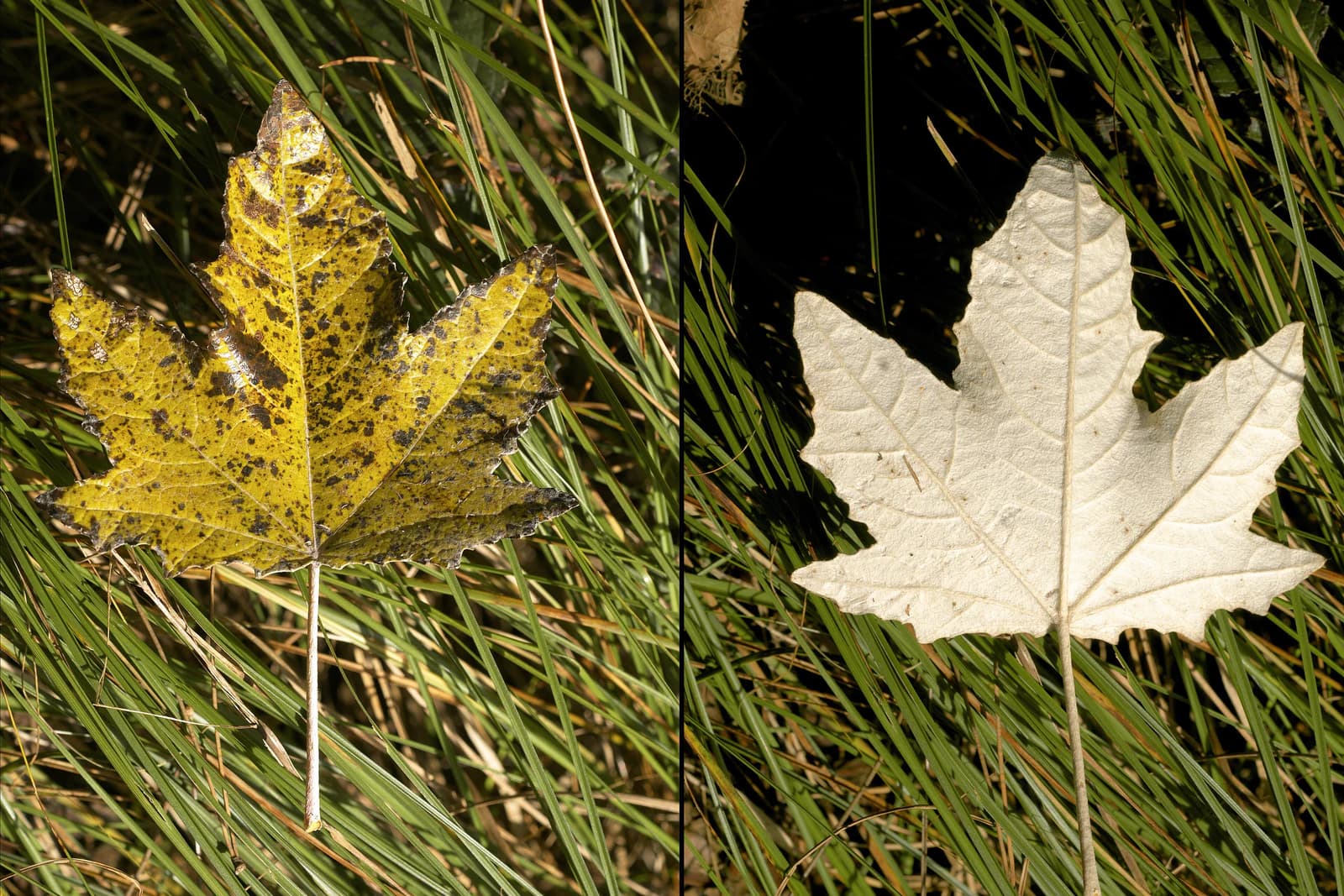
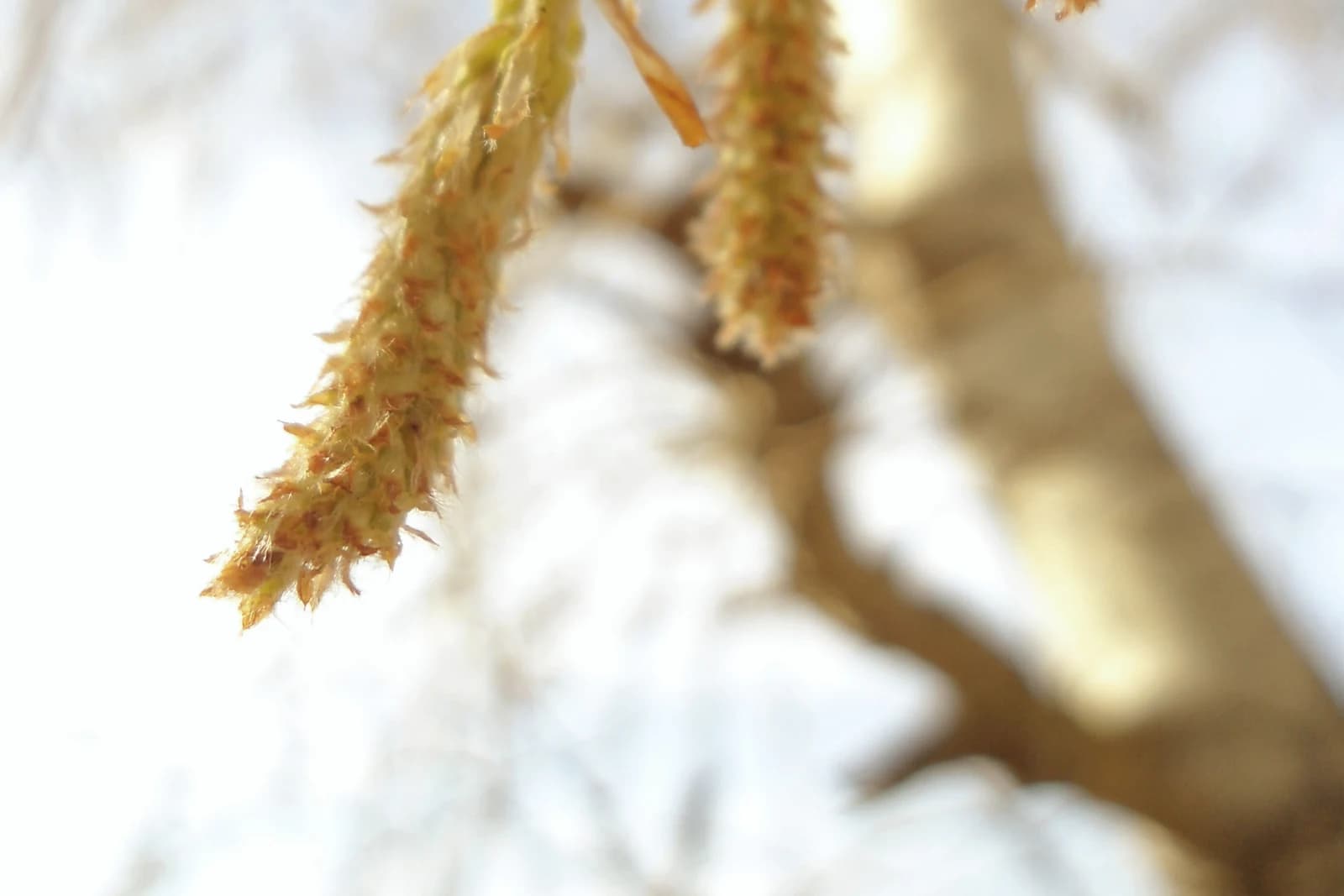
Populus alba L.
A tree with silvery-white leaf undersides; the source records a grove of fifteen beyond the Zhuravets stream.
Name from the published inventory
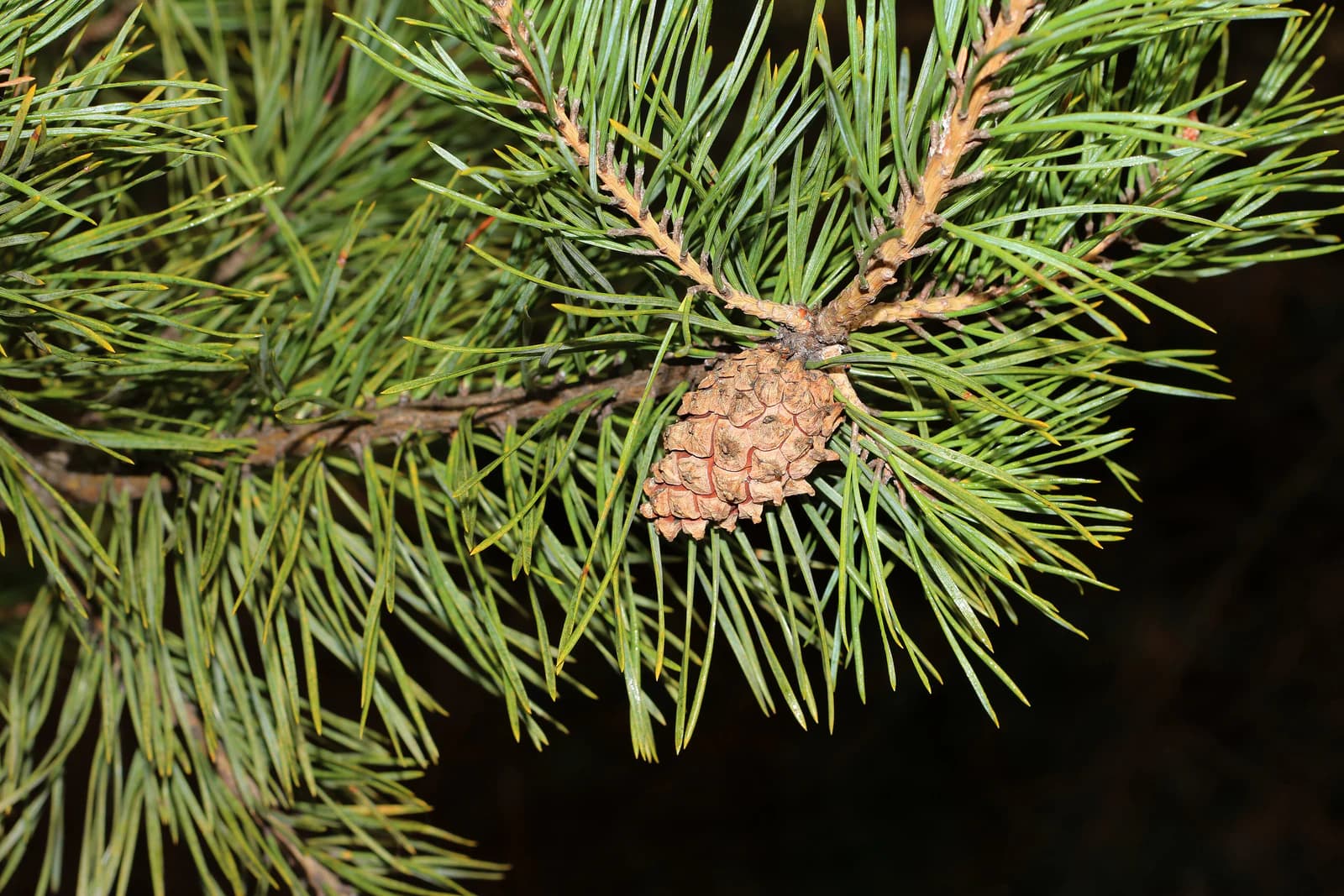
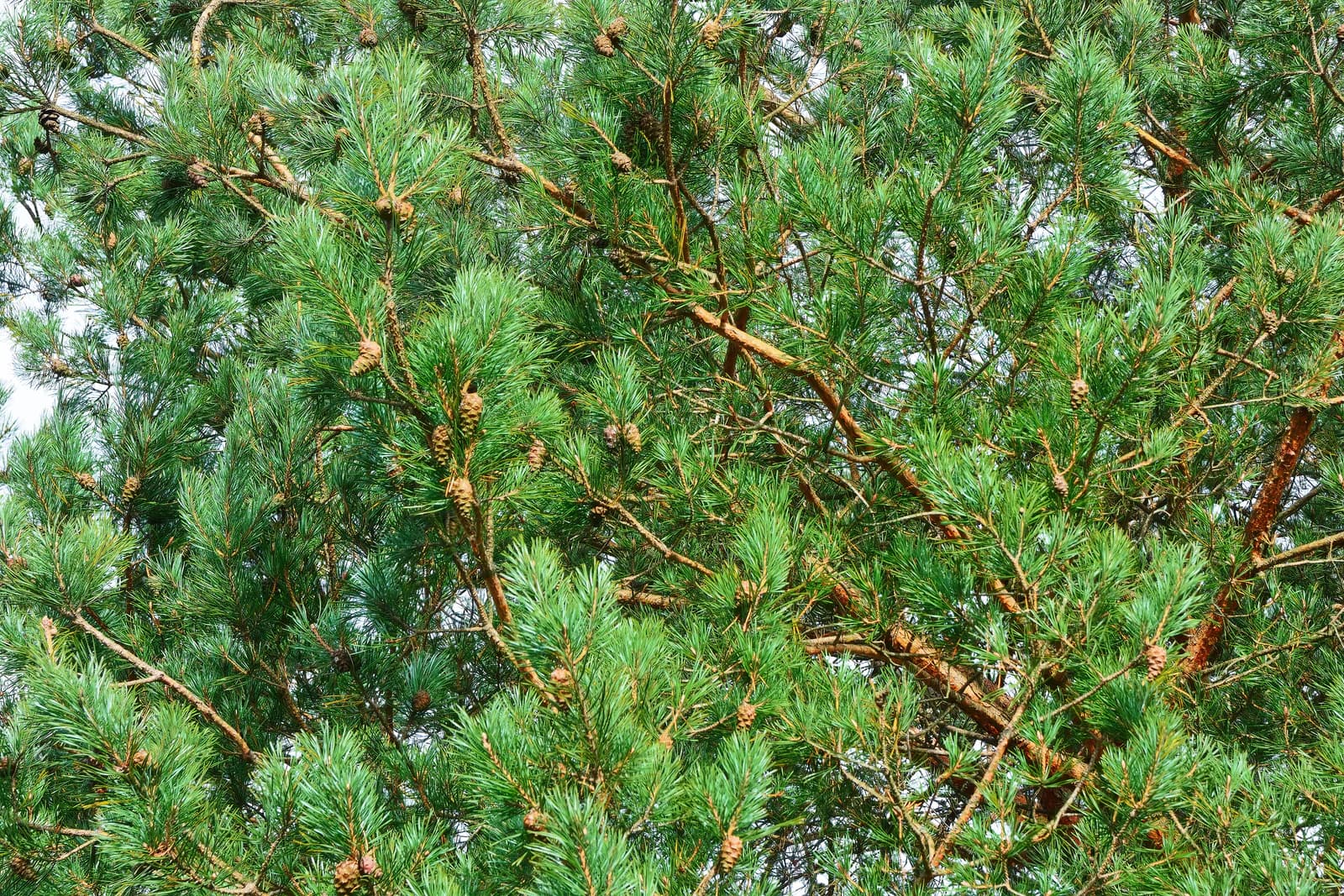
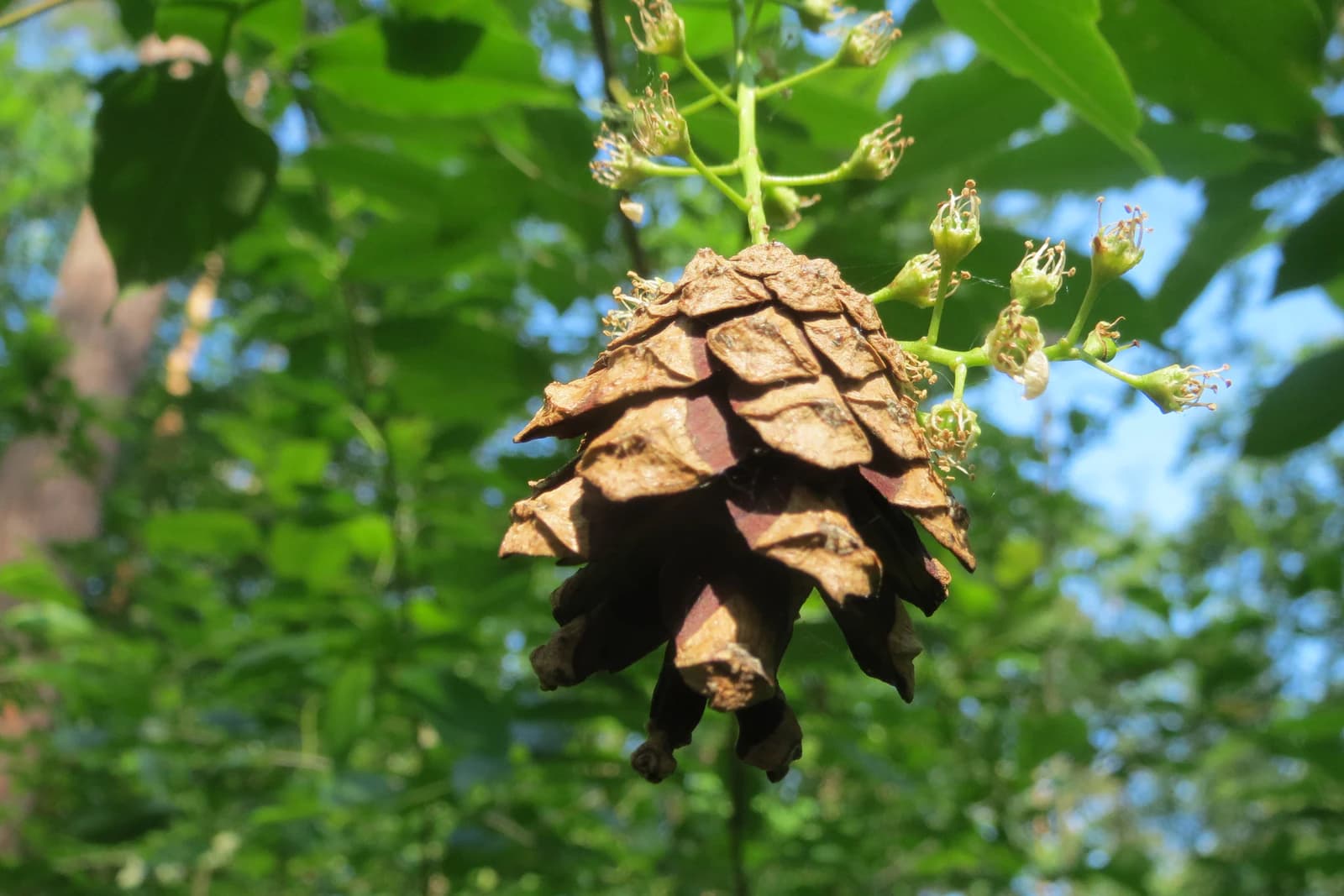
Representative shown: Scots pine · Pinus sylvestris L.
A light-demanding evergreen with long needles; the inventory does not specify the species.
Ornamental and naturally occurring shrubs are recorded beneath the tree canopy.
7 speciesName from the published inventory
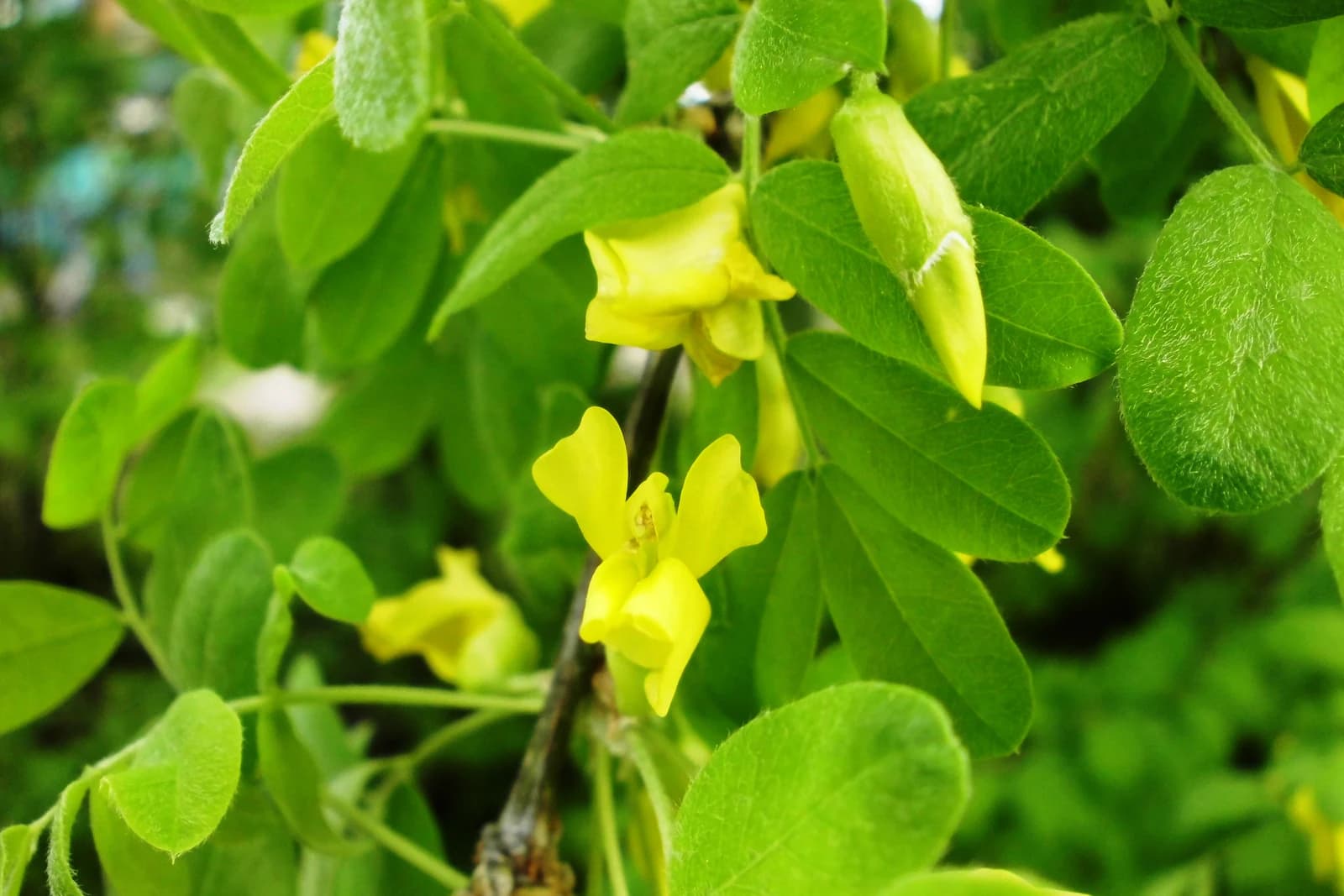
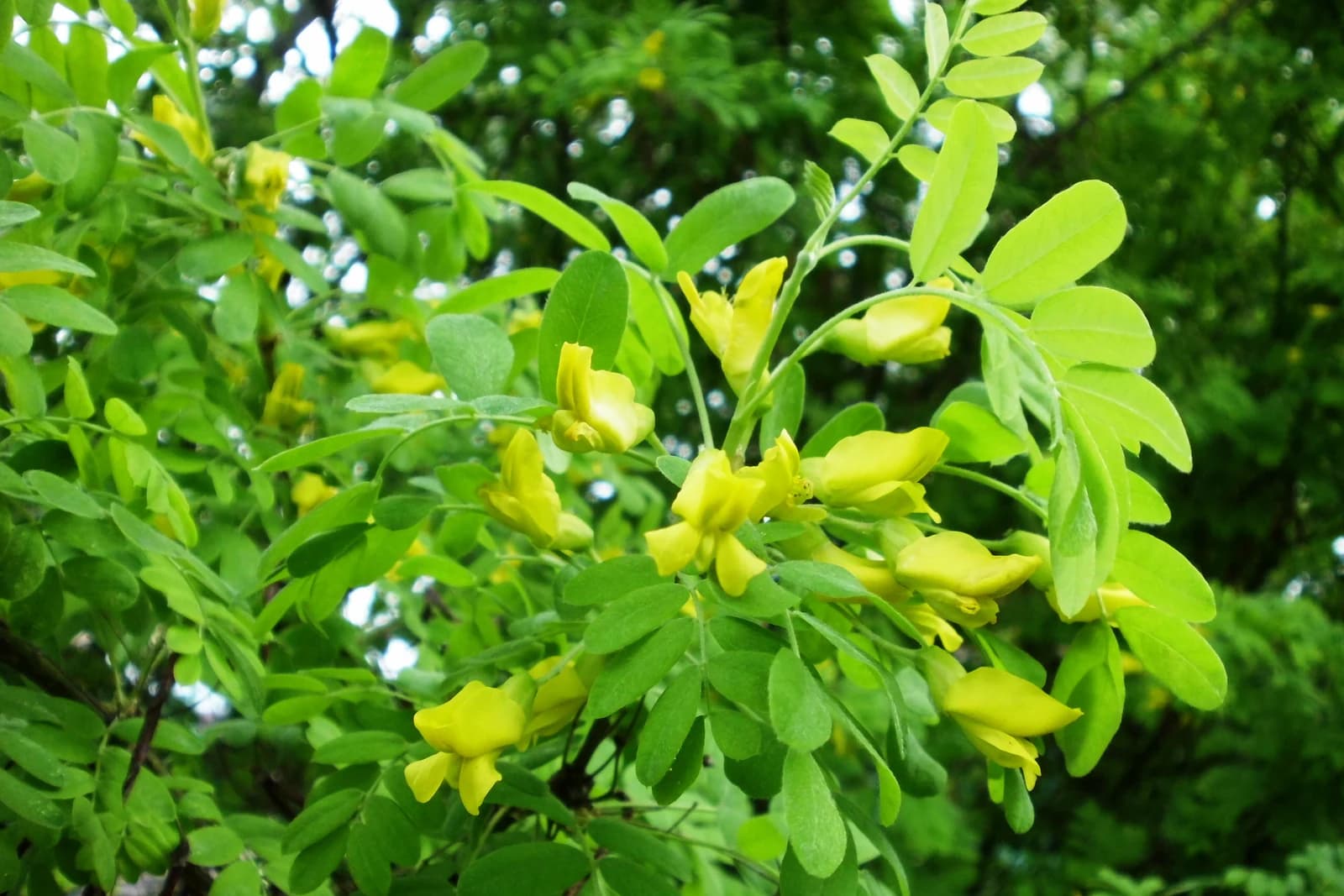
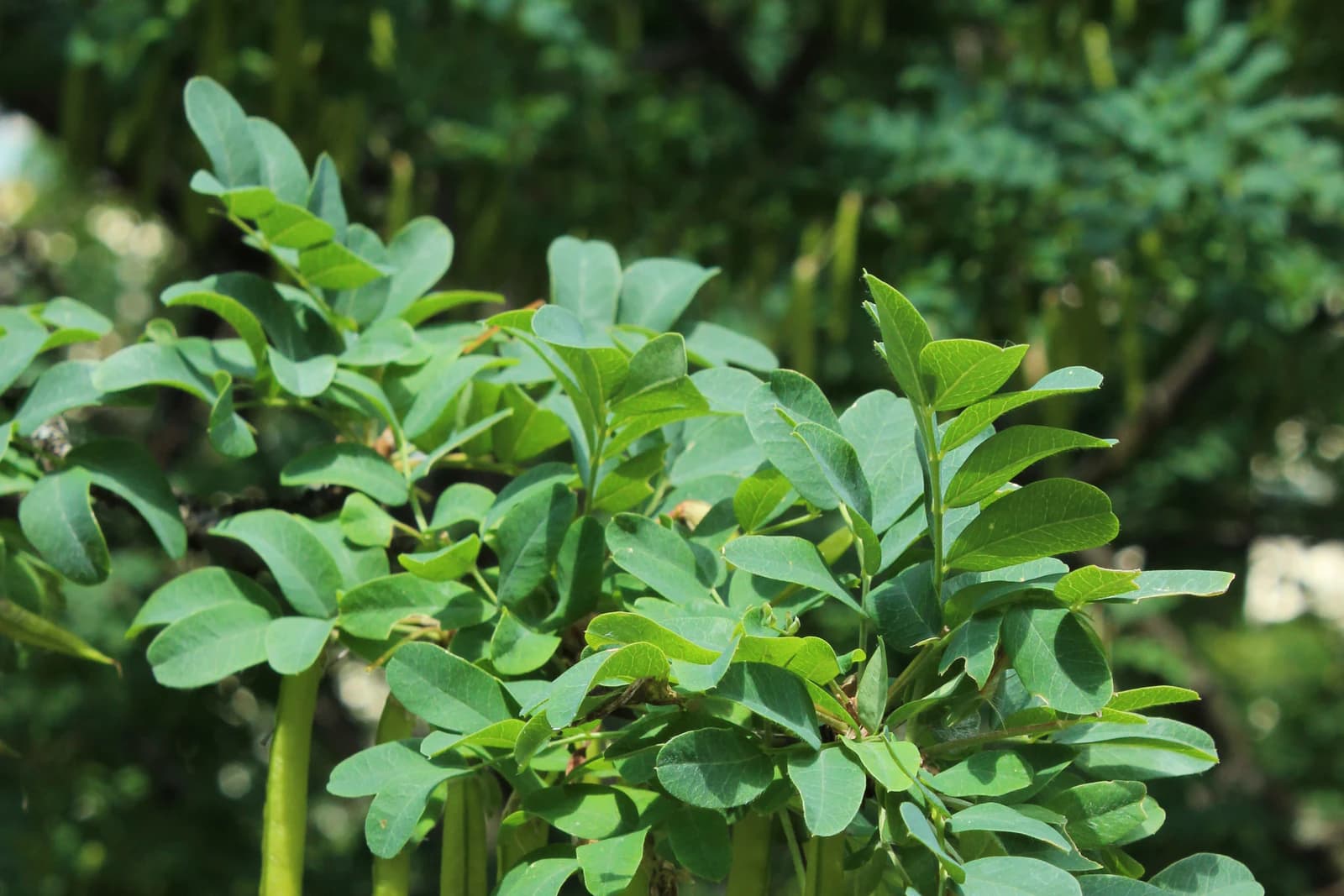
Caragana arborescens Lam.
A shrub also known as yellow acacia, with paired leaflets and yellow flowers.
Name from the published inventory
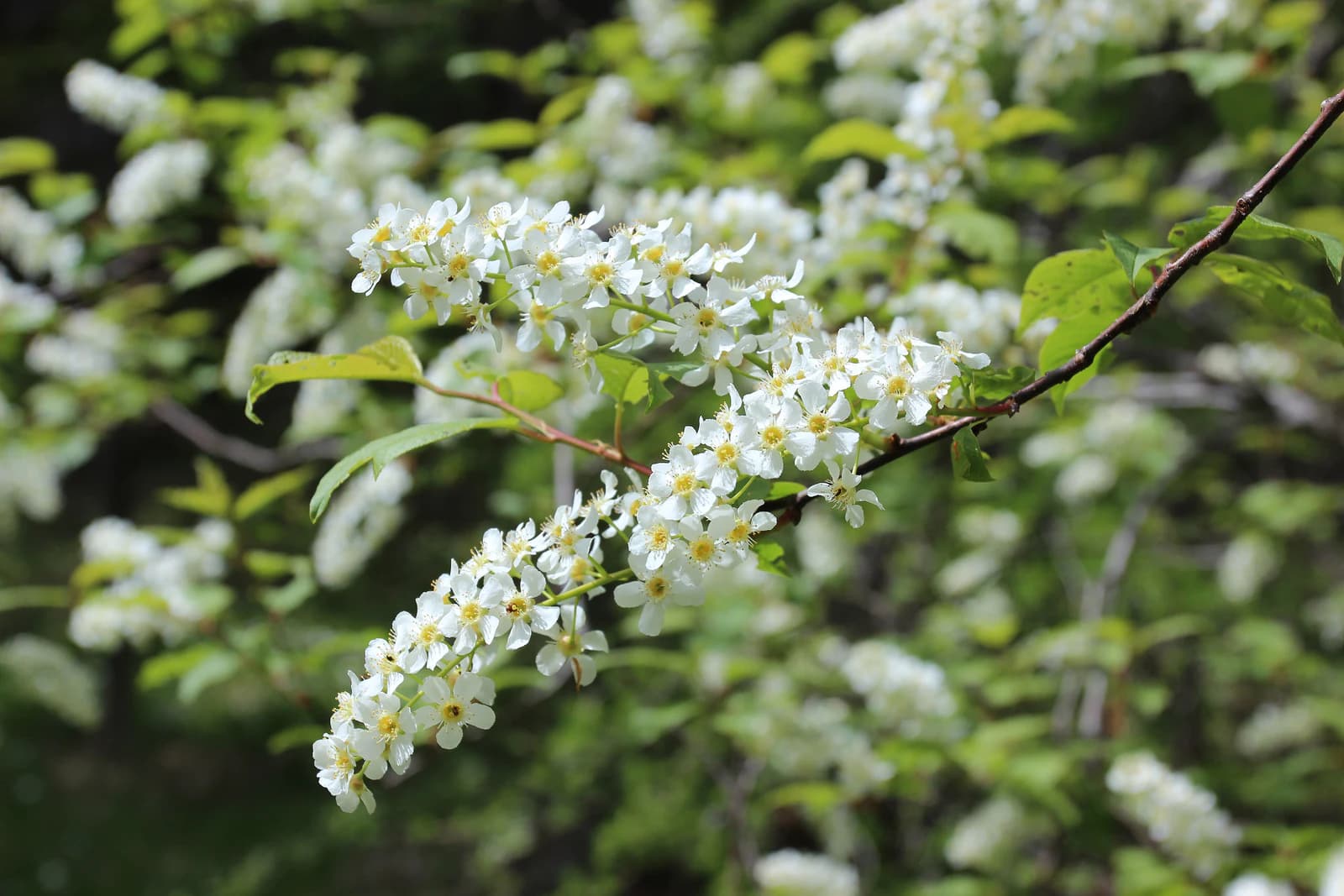
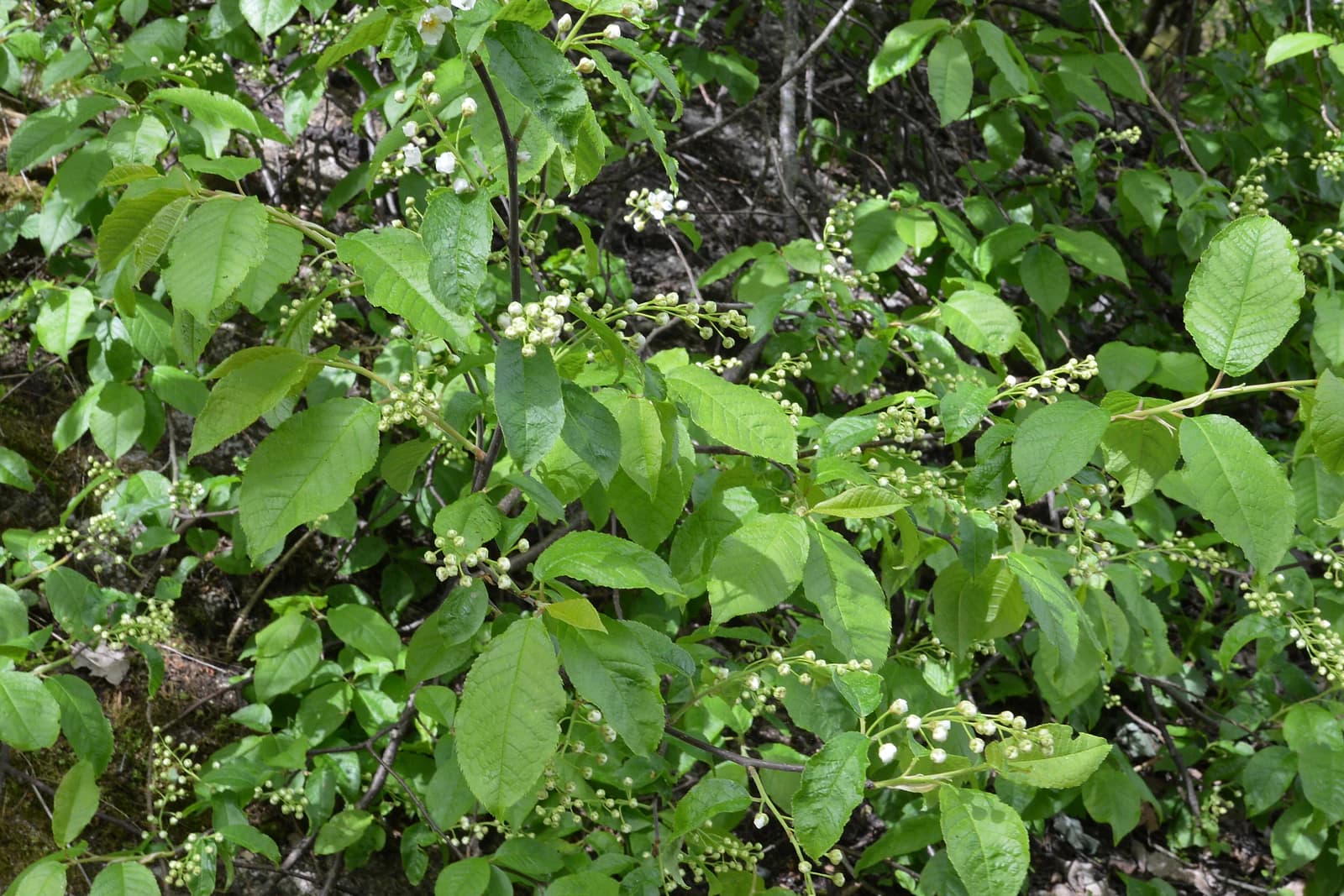
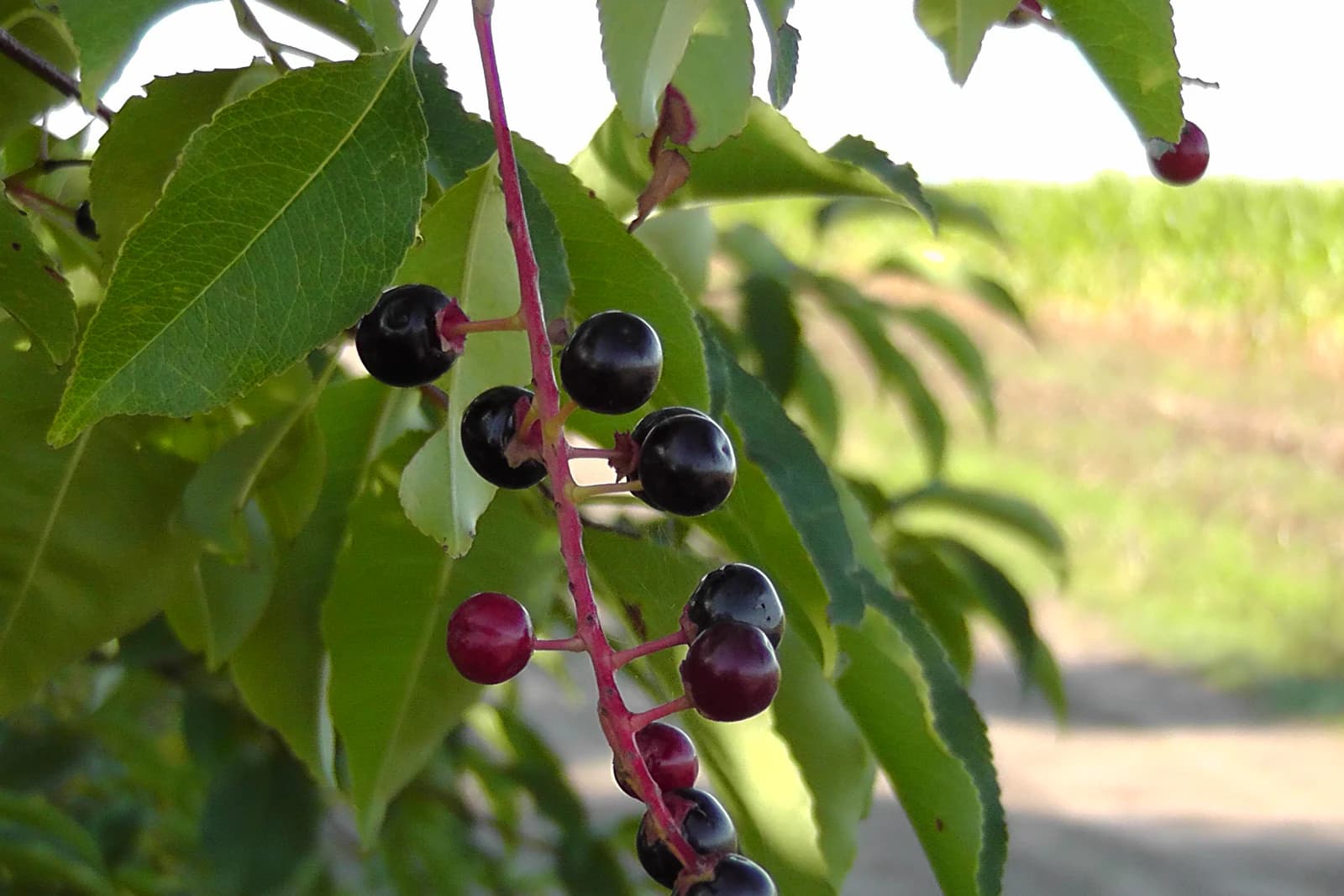
Representative shown: European bird cherry · Prunus padus L.
A shrub or small tree with racemes of white flowers; the source does not identify the species.
Name from the published inventory
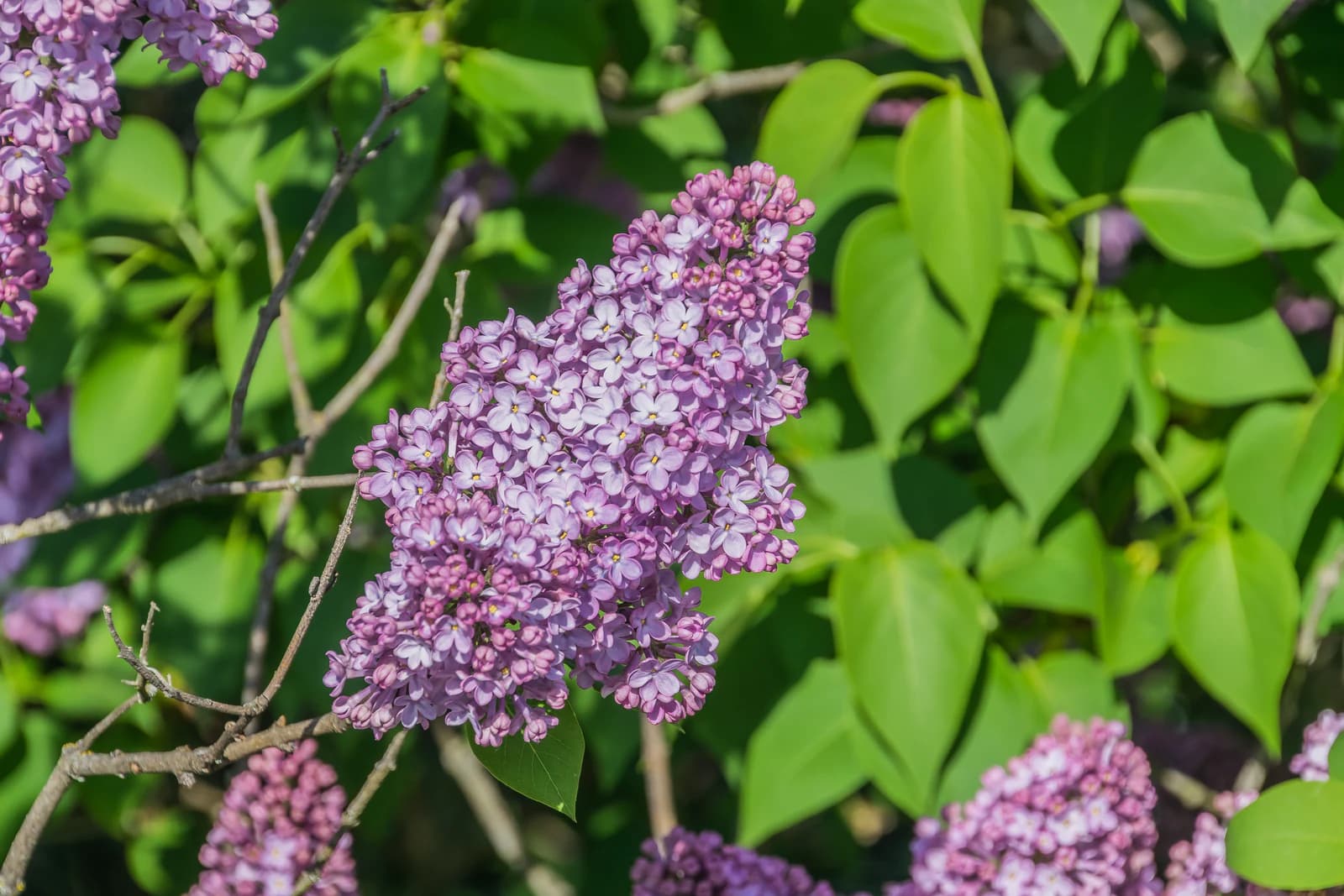
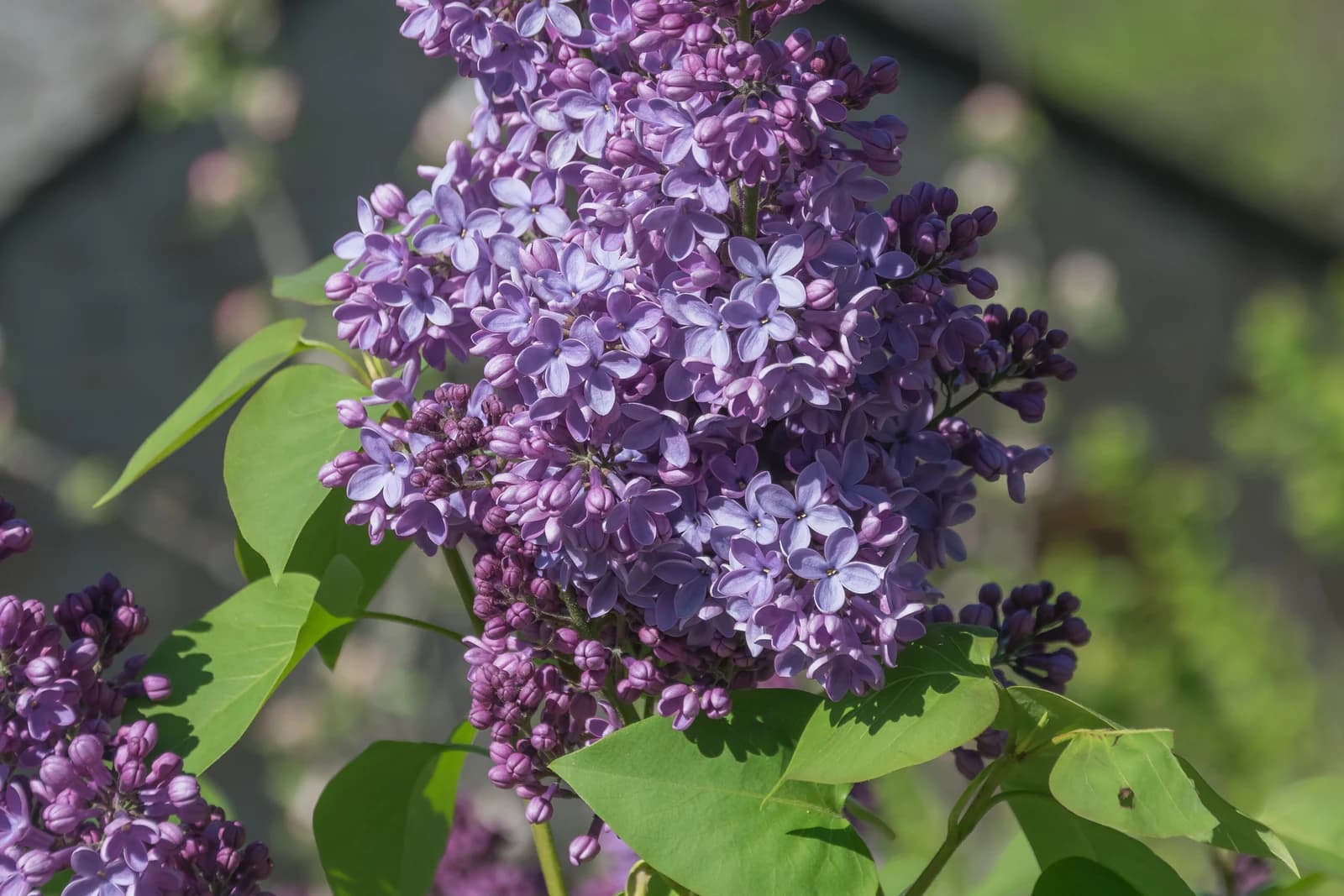
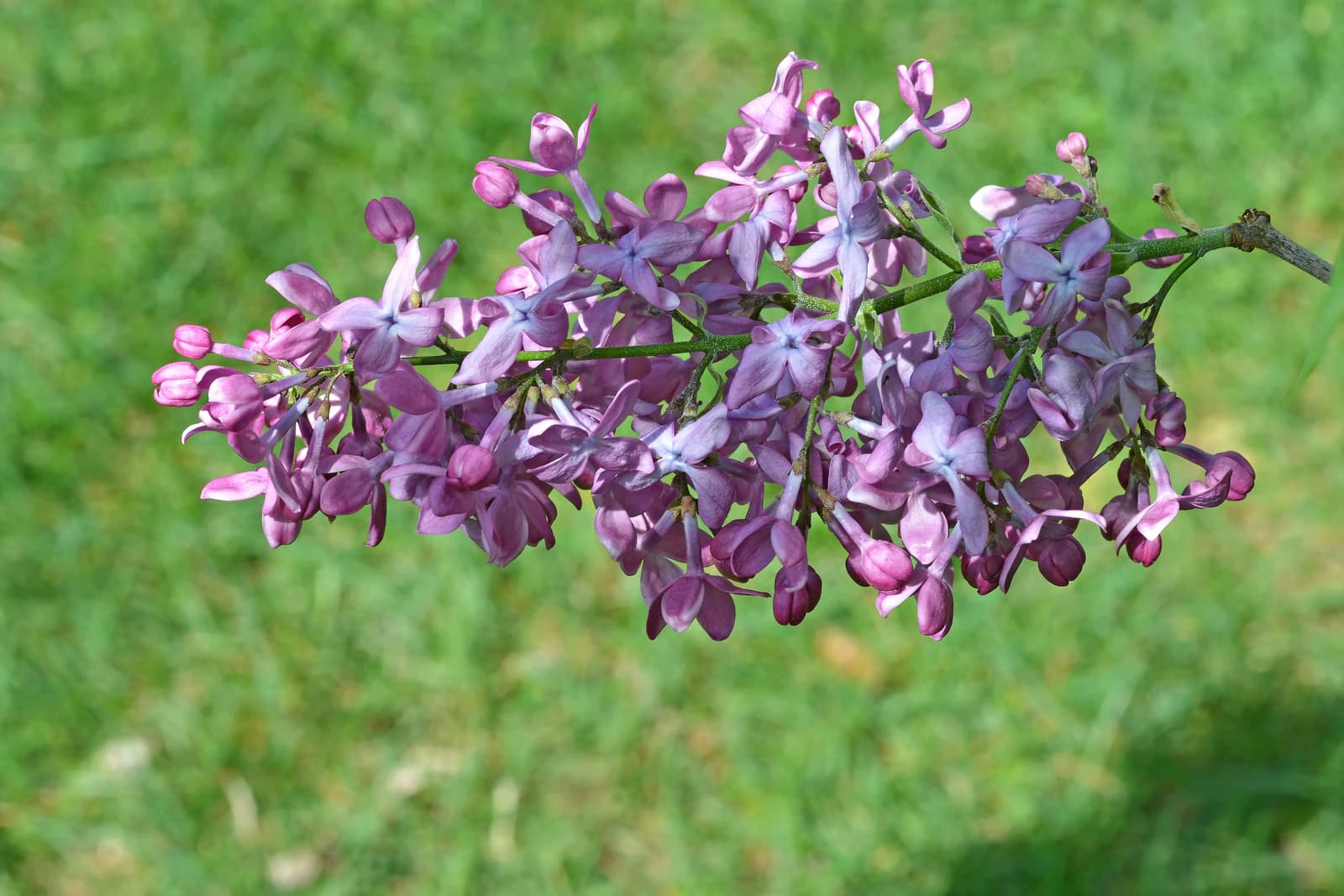
Syringa vulgaris L.
A historically widespread park shrub with large fragrant flower clusters.
Name from the published inventory
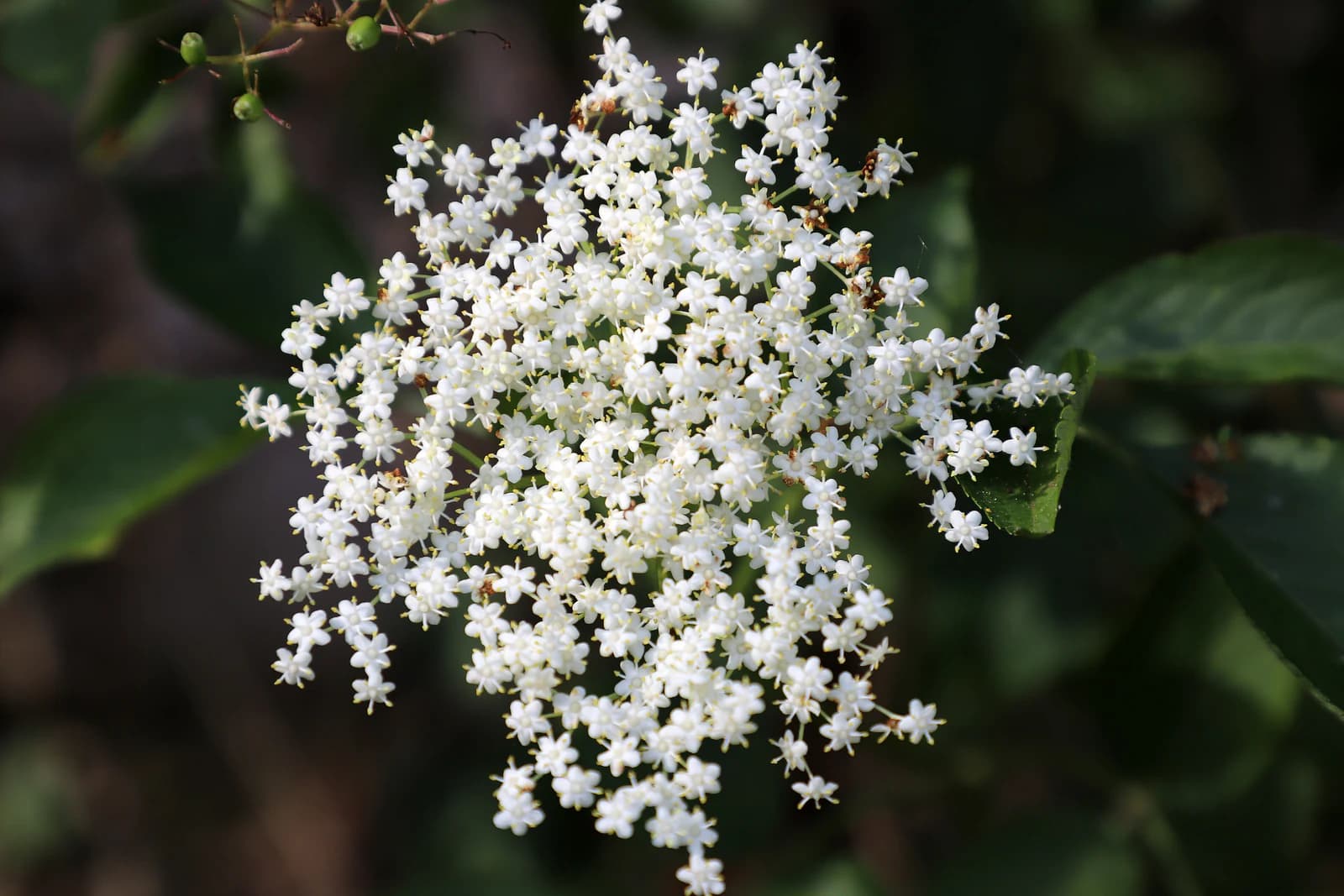
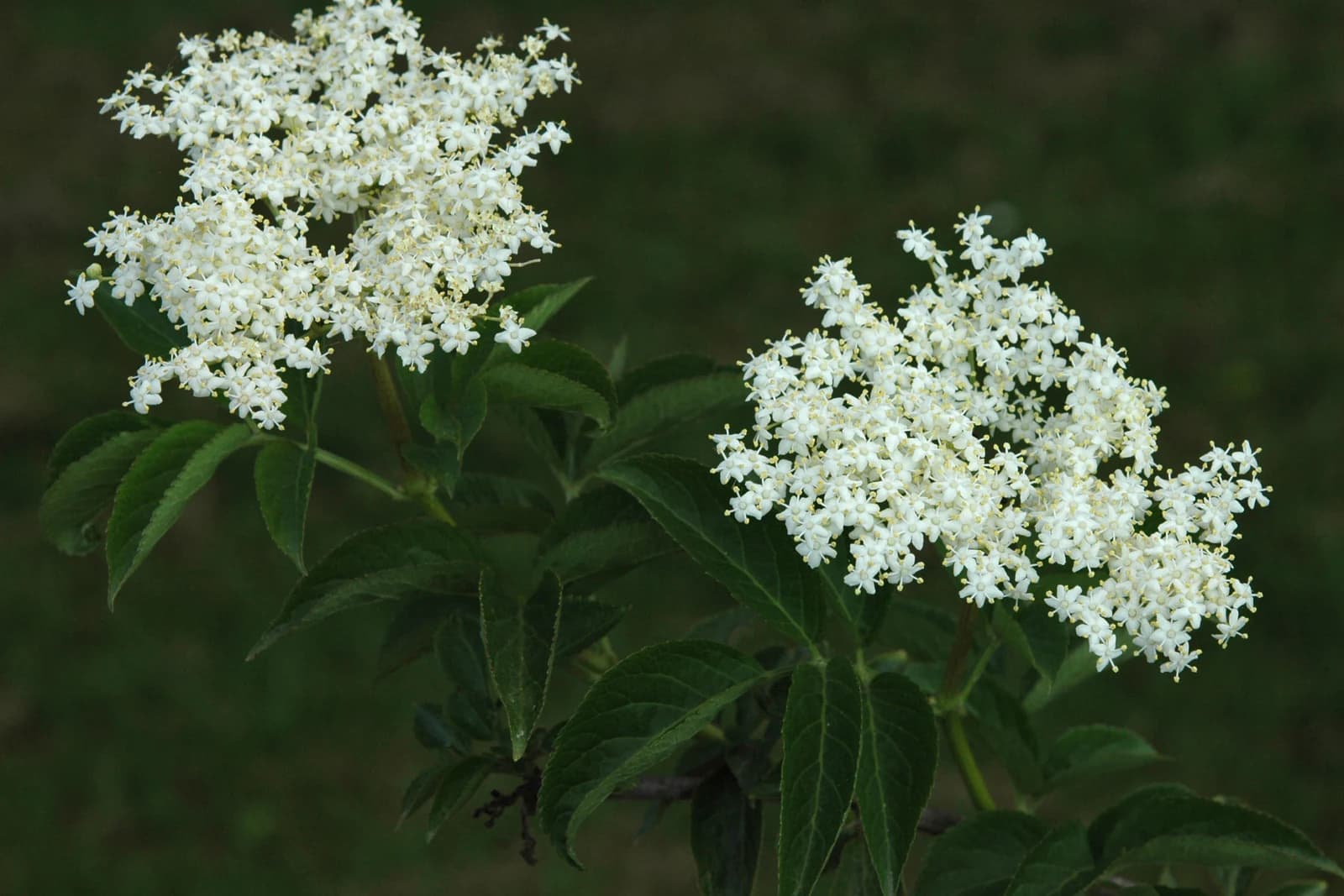
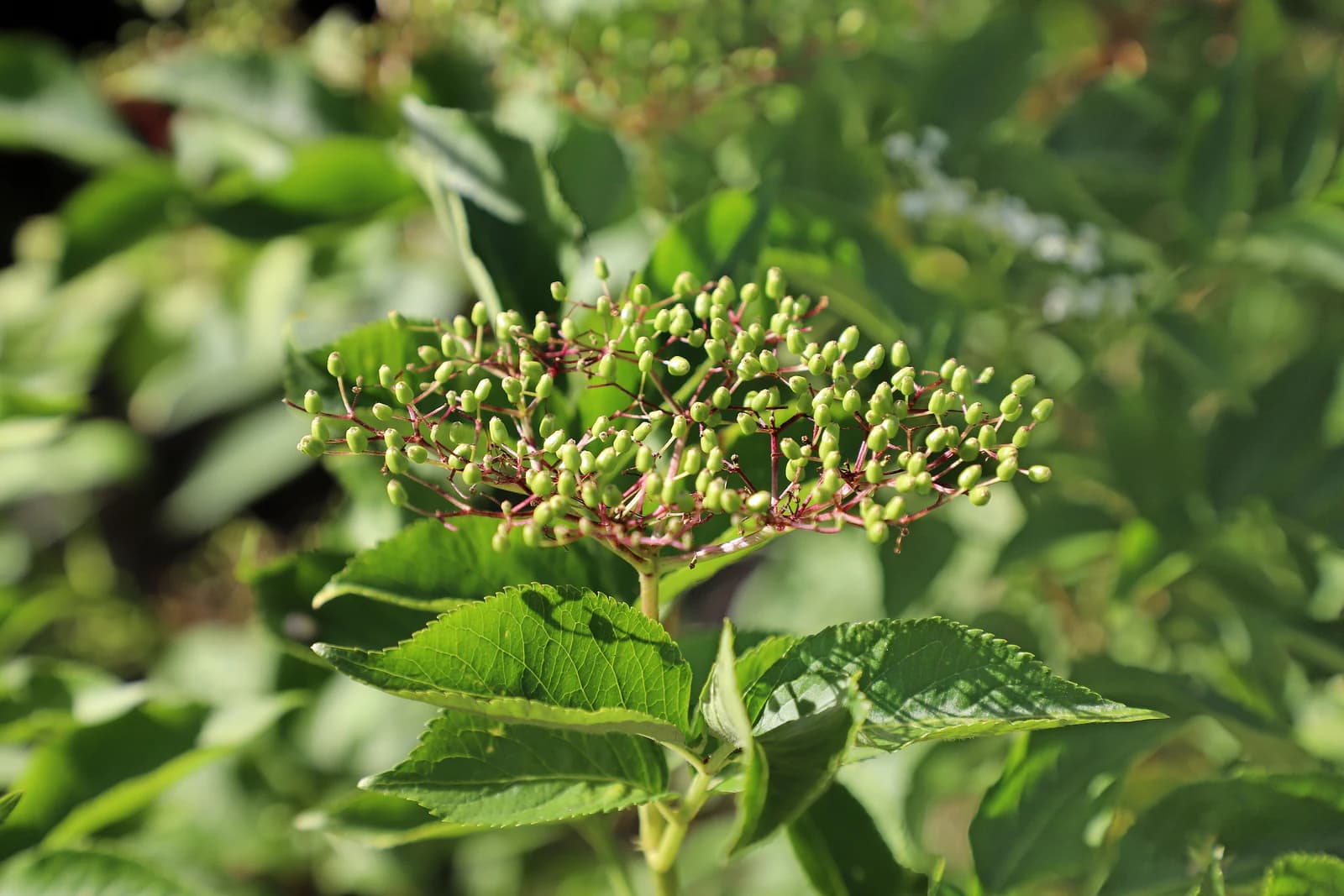
Representative shown: Black elder · Sambucus nigra L.
A shrub with compound leaves and flat flower clusters; the particular species requires confirmation.
Name from the published inventory
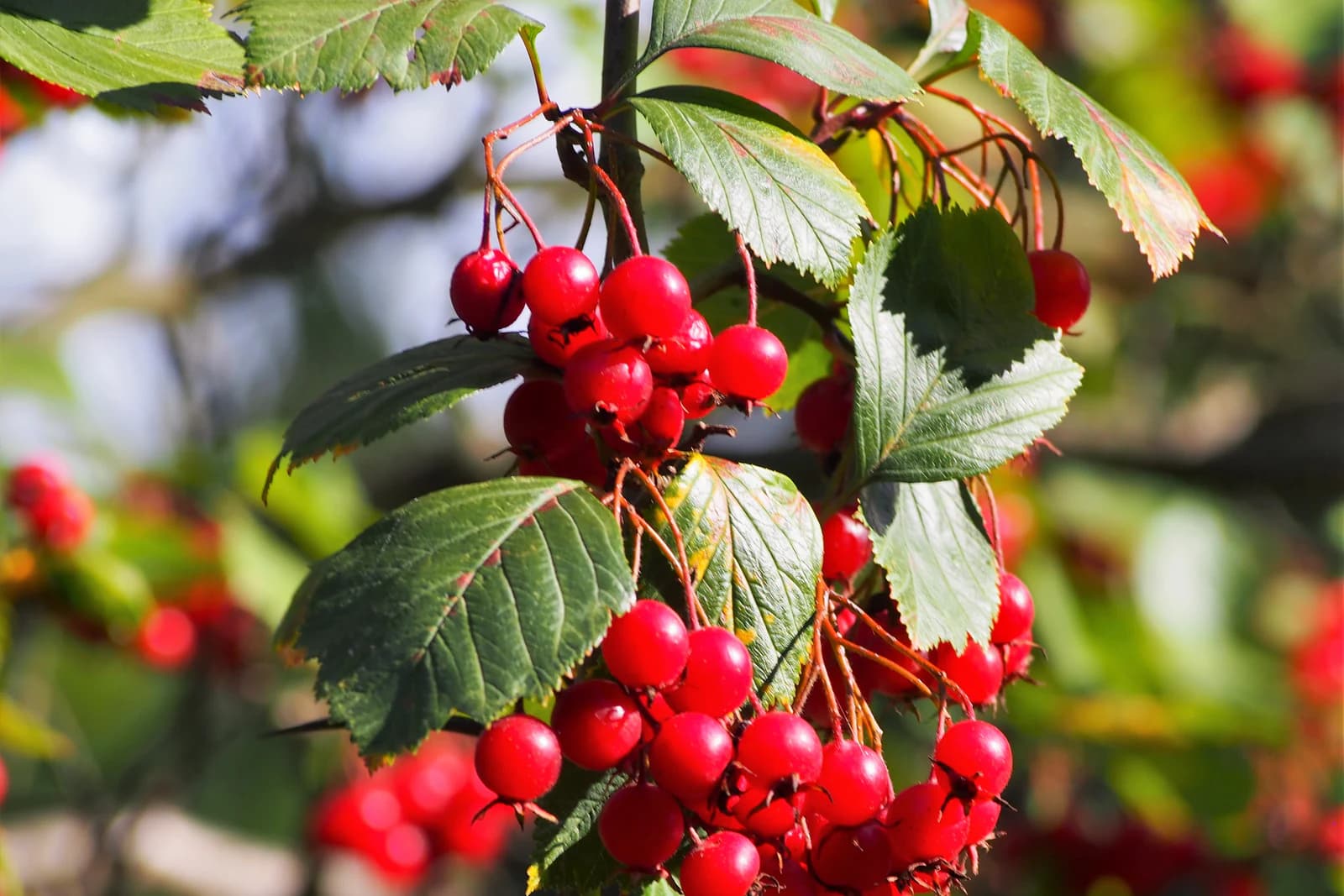
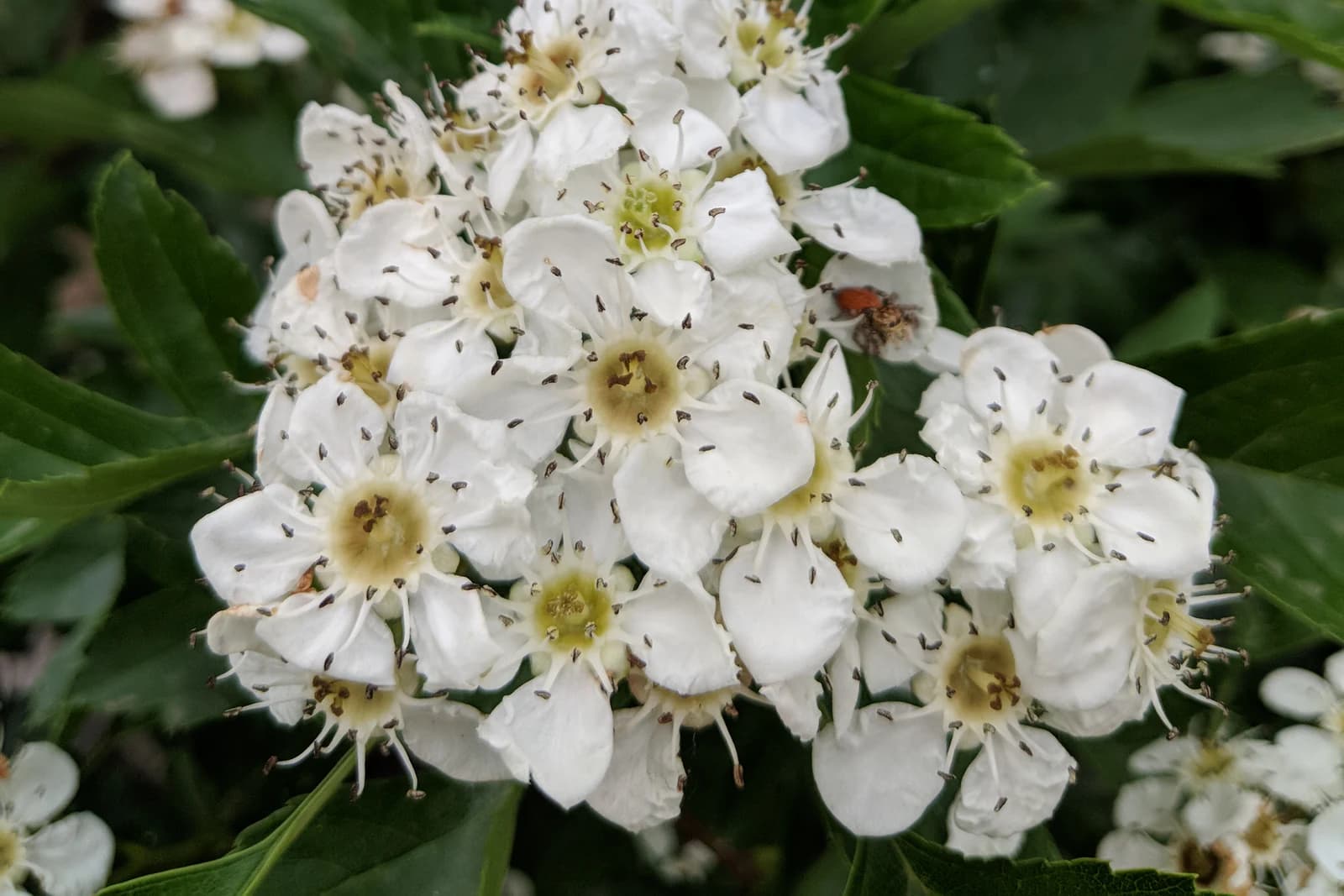
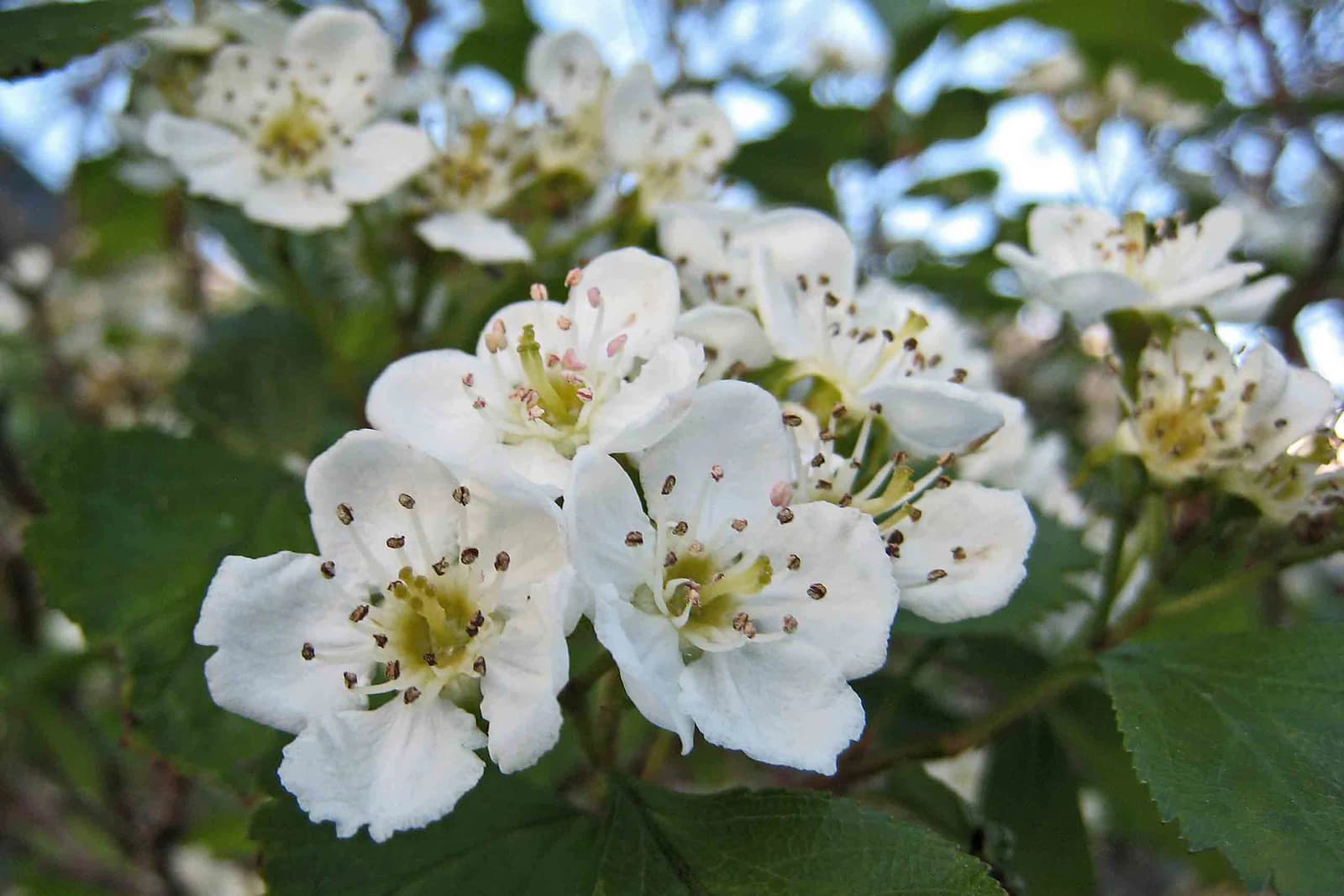
Representative shown: Blood-red hawthorn · Crataegus sanguinea Pall.
A thorny shrub or small tree with white flowers and red fruits; the species is not specified.
Name from the published inventory
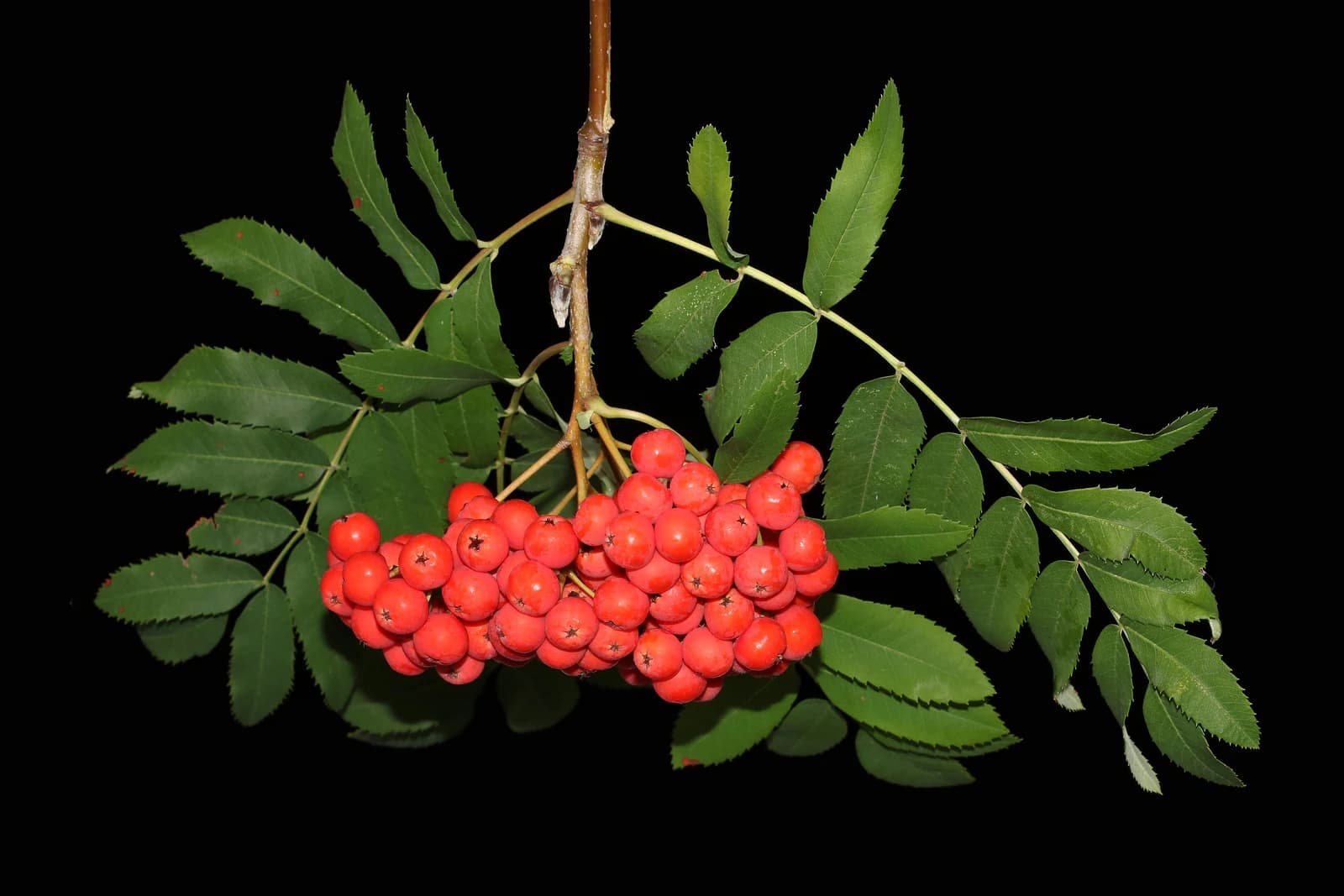
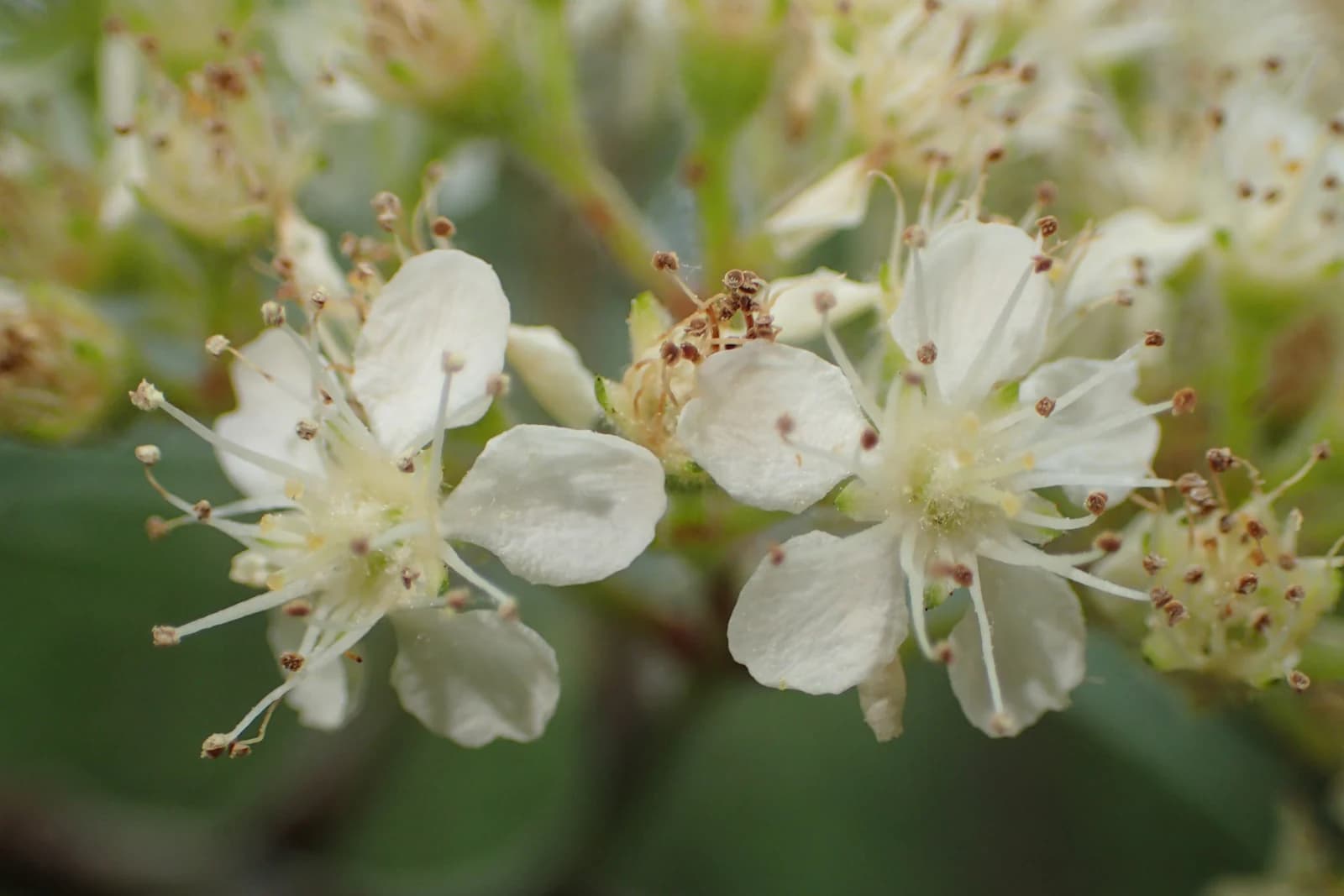
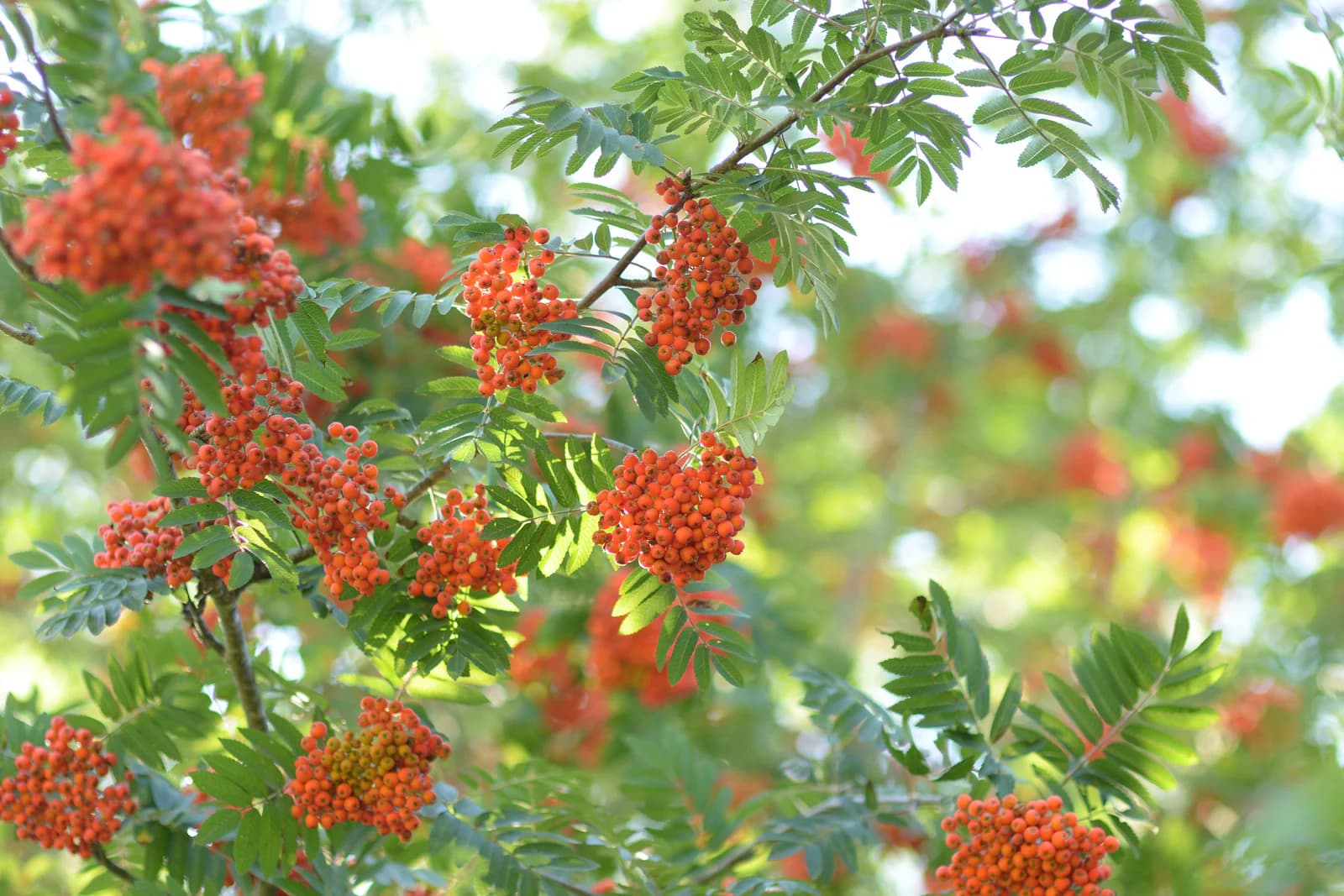
Representative shown: European rowan · Sorbus aucuparia L.
A tree or large shrub with compound leaves and bright fruit clusters; the species is not specified.
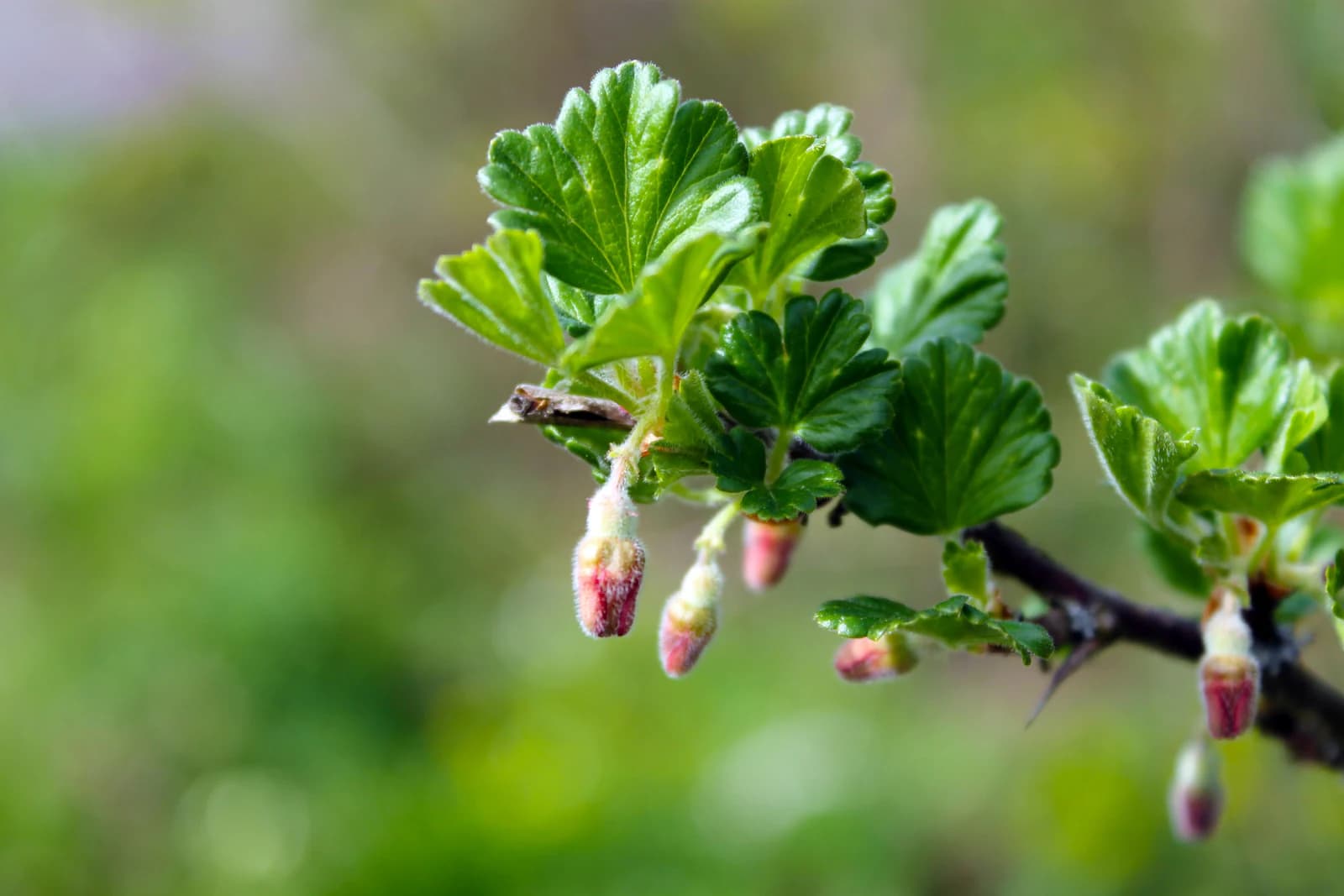
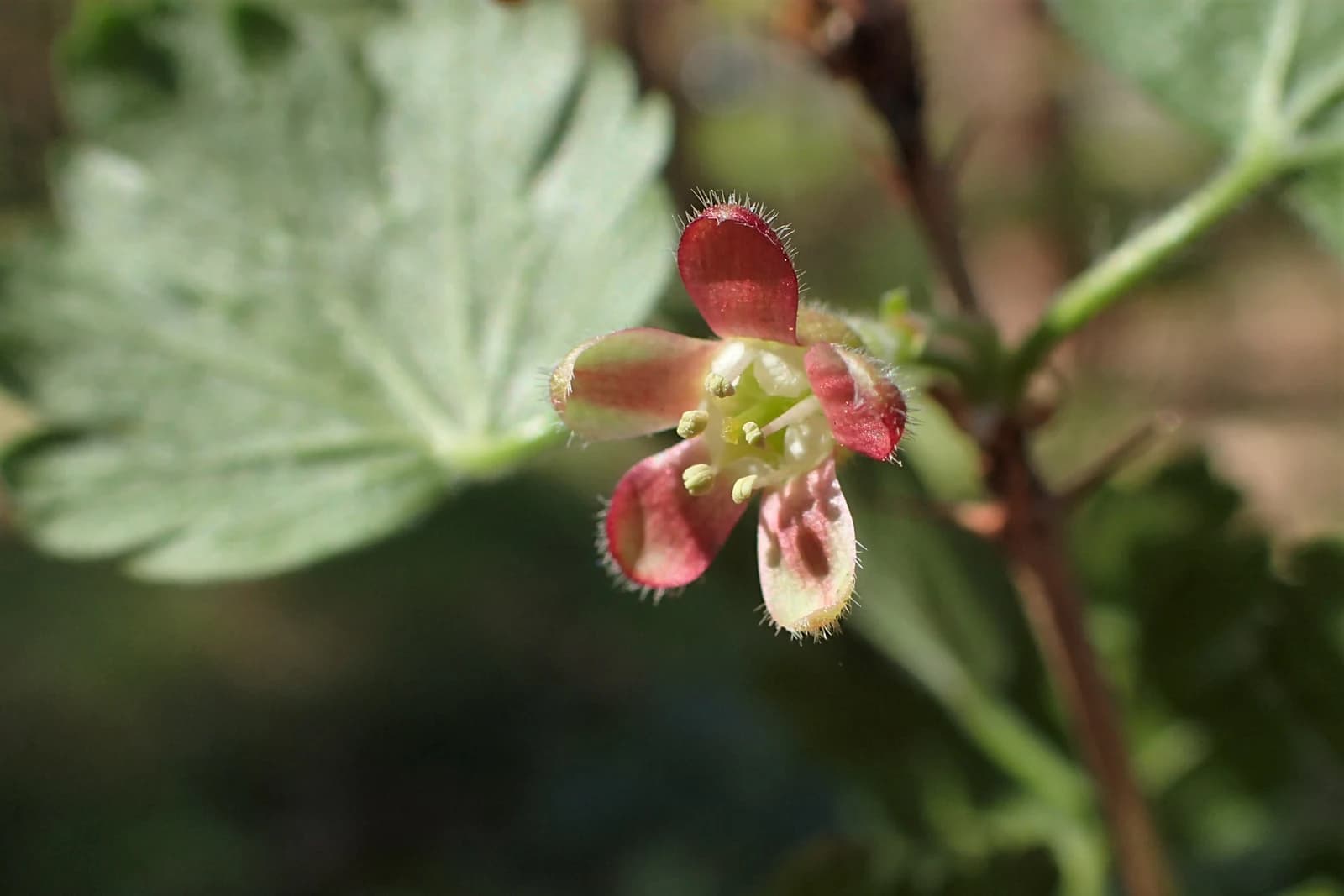
Name from the published inventory
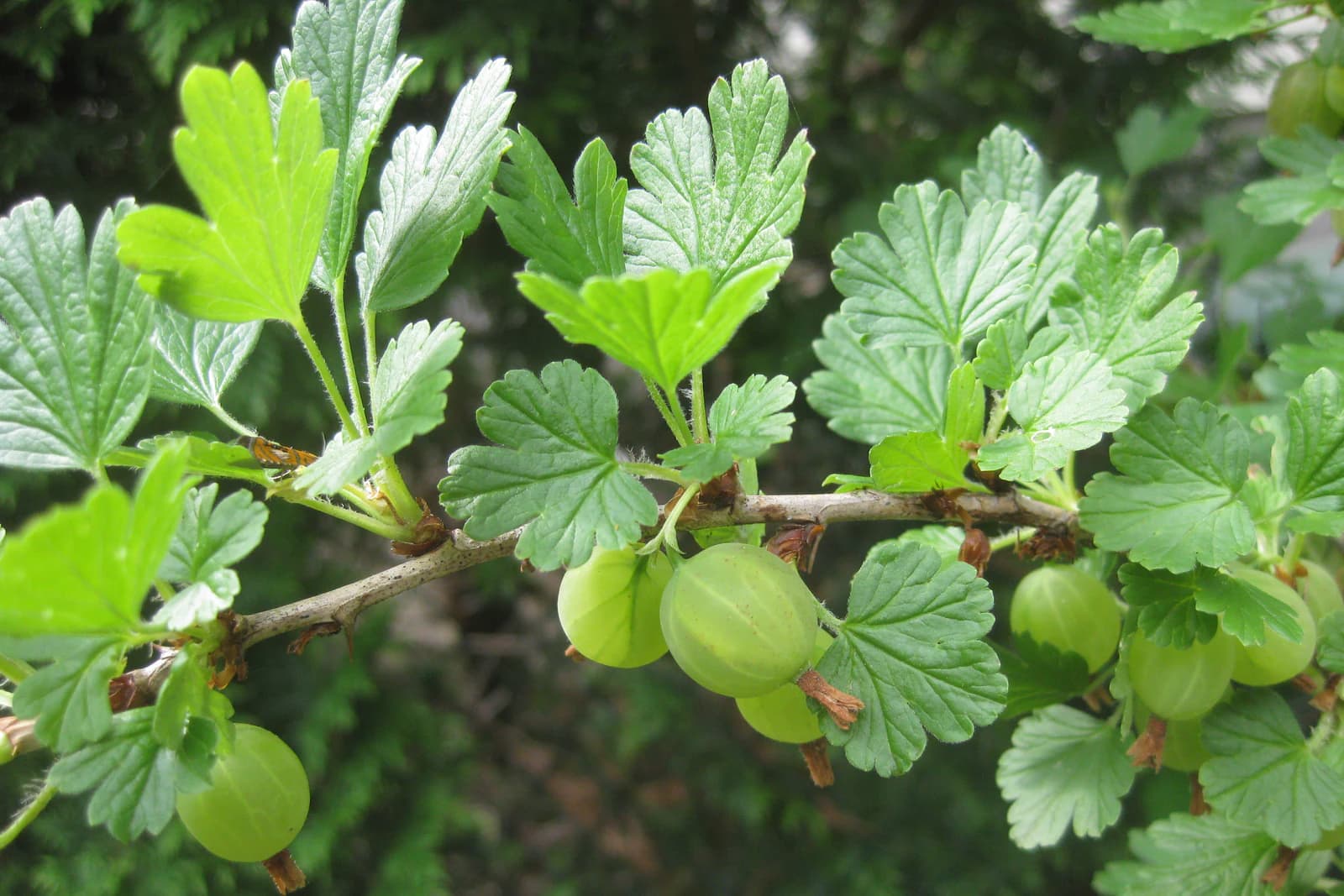
Representative shown: European gooseberry · Ribes uva-crispa L.
A thorny shrub with rounded berries; the origin and exact identity of the plants require survey.
Seven plants are listed as prevalent in the herb layer.
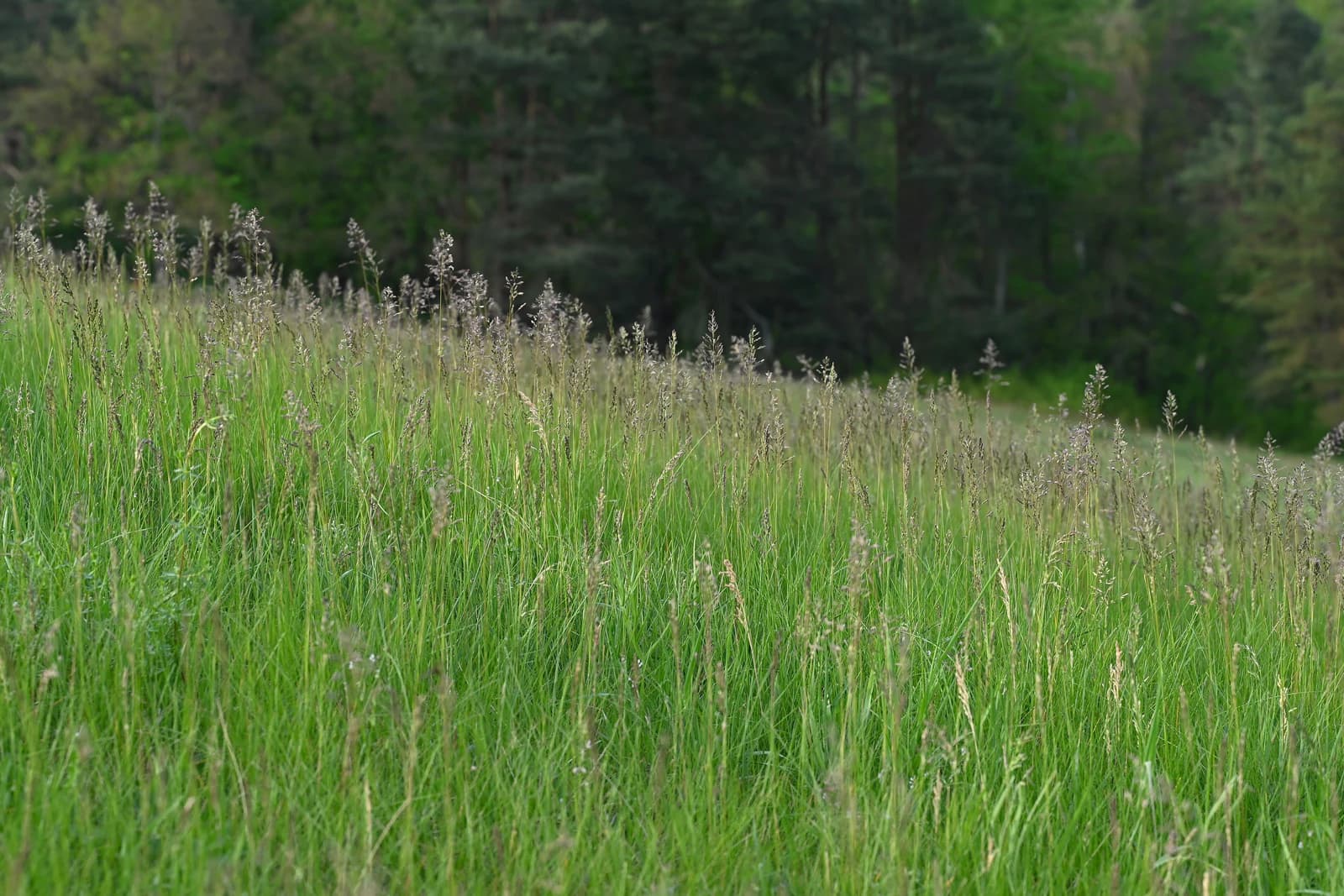
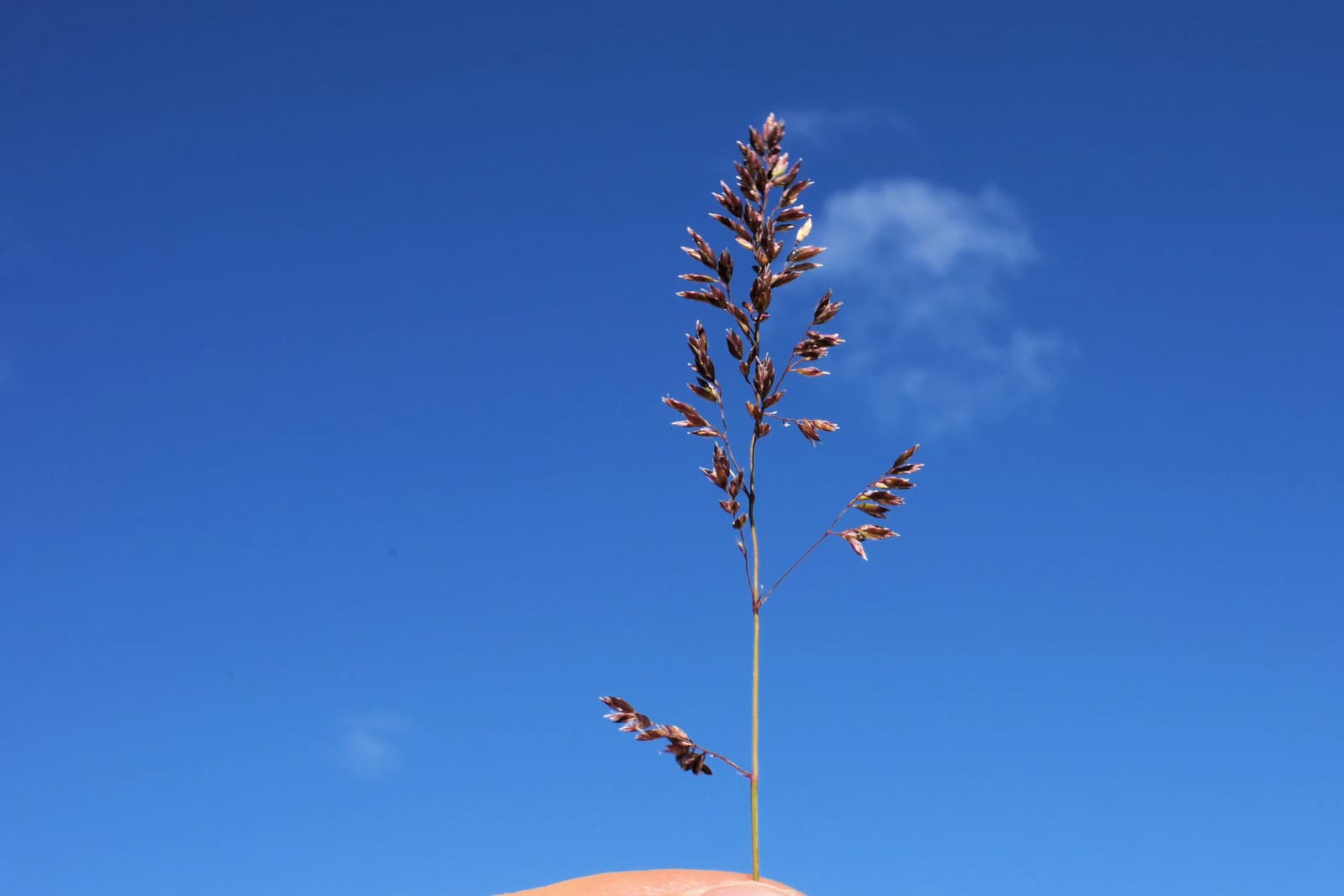
7 speciesName from the published inventory
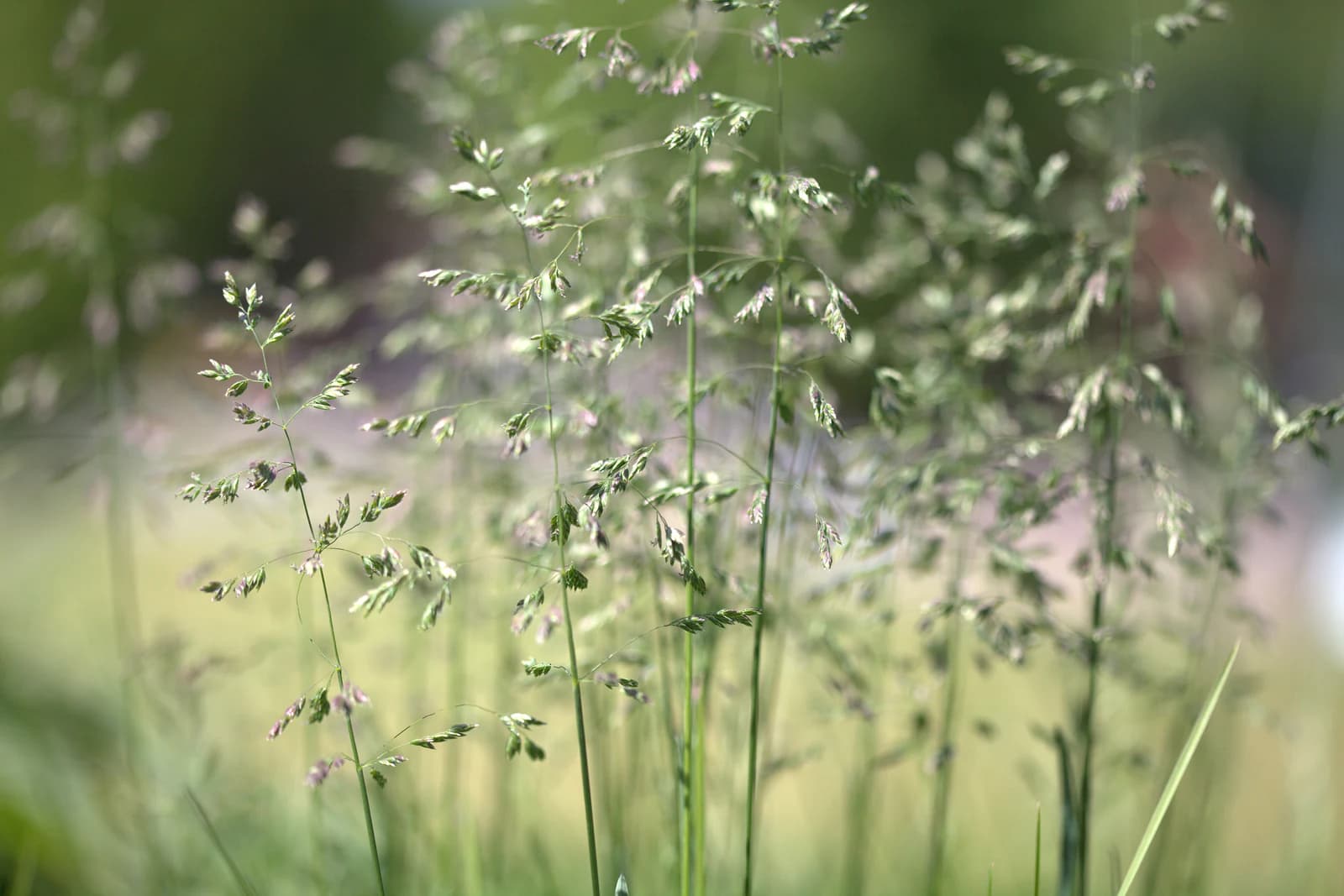
Poa pratensis L.
A perennial grass with narrow leaves and an open panicle, common in meadow and park communities.
Name from the published inventory
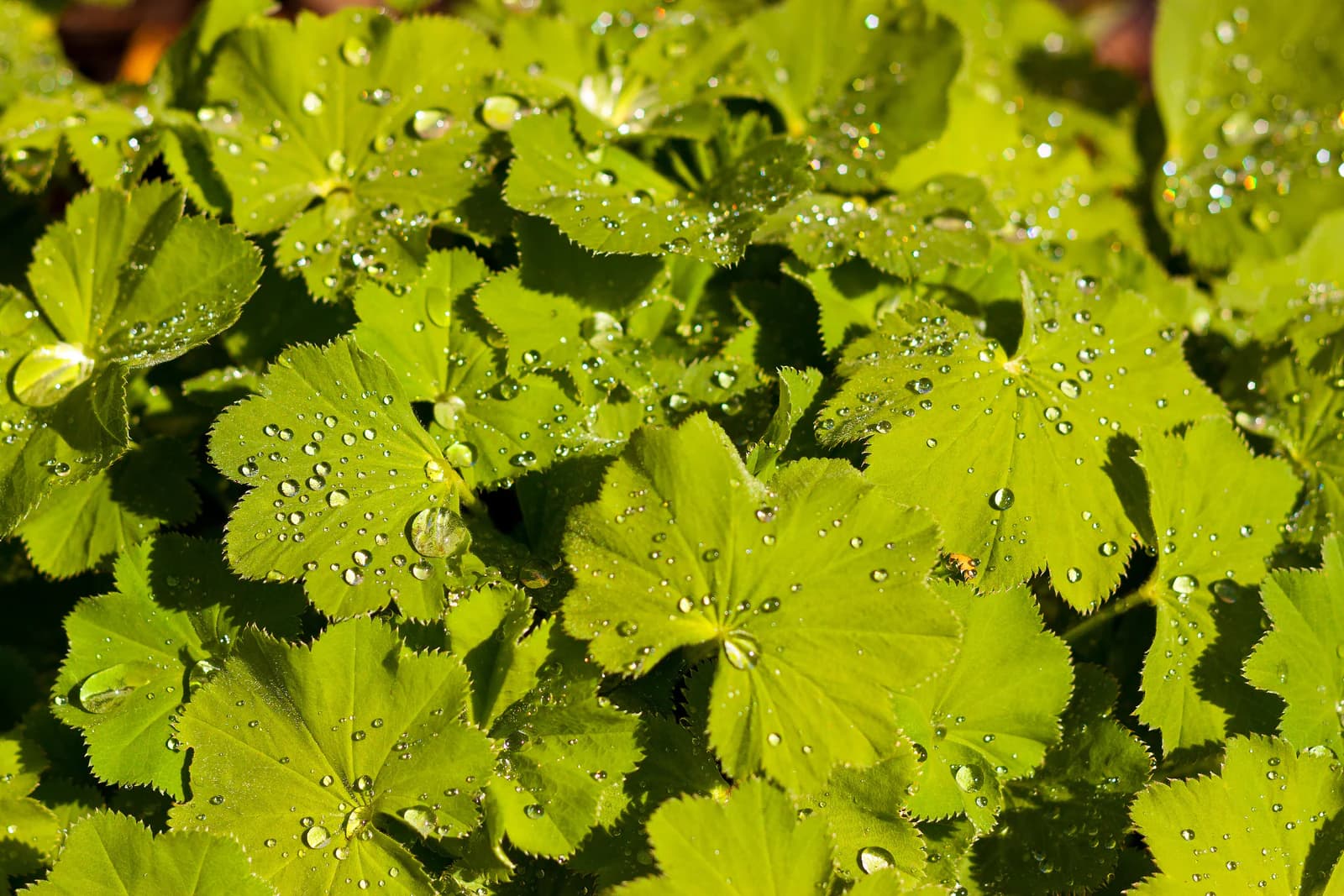
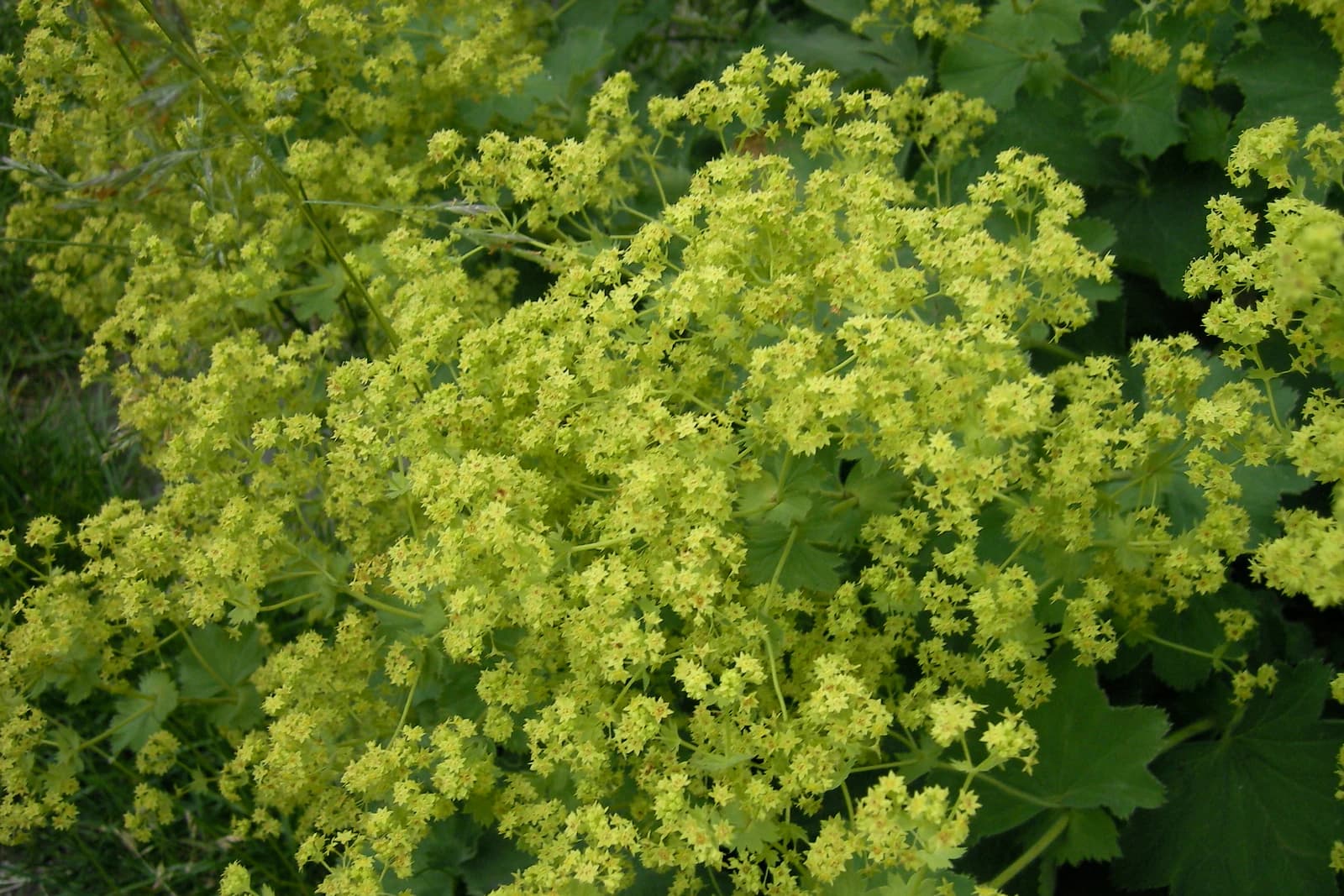
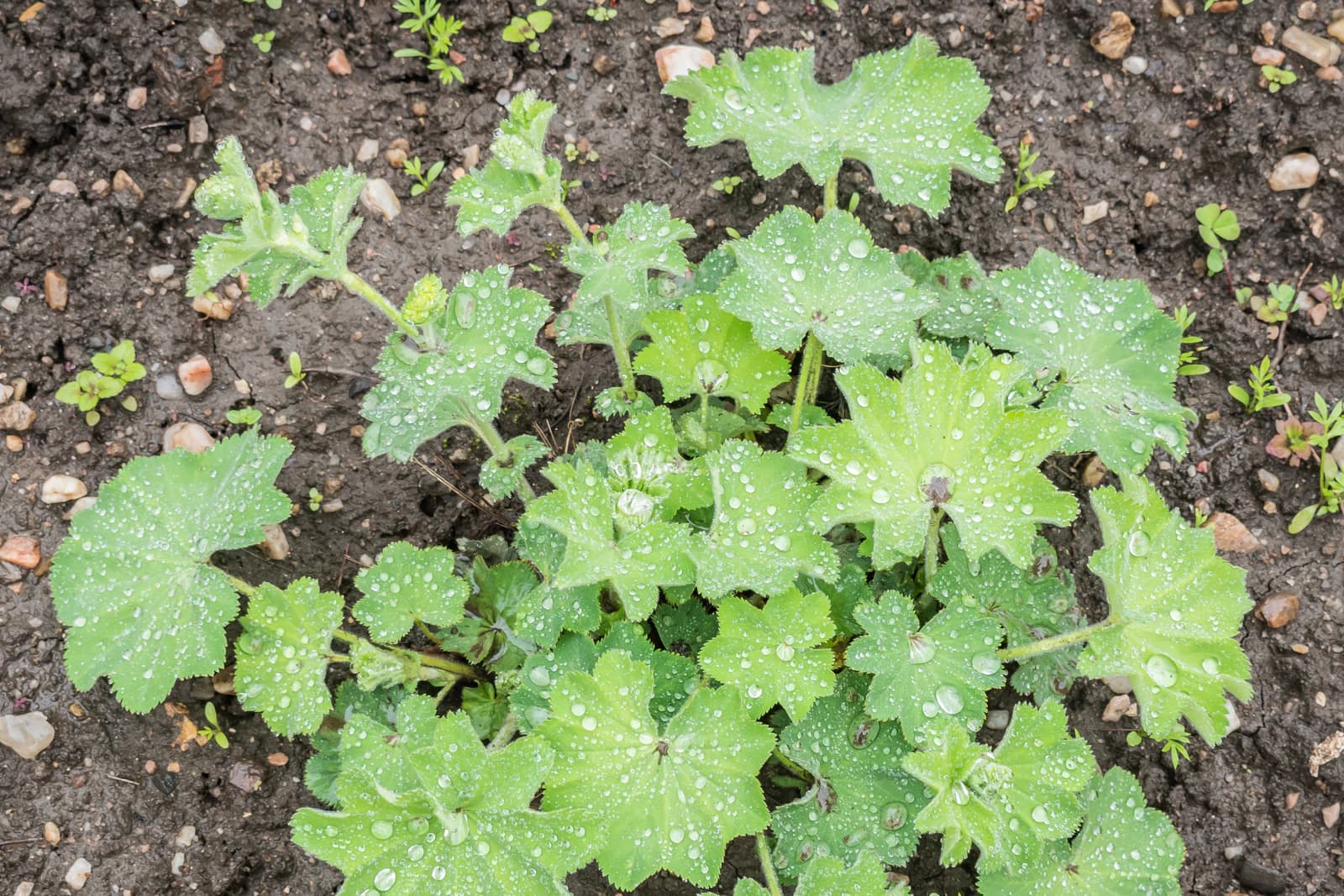
Representative shown: Common lady's mantle aggregate · Alchemilla vulgaris agg.
A herb with rounded pleated leaves; the published inventory does not name the species.
Name from the published inventory
Urtica dioica L.
A tall perennial with opposite serrated leaves and stinging hairs.
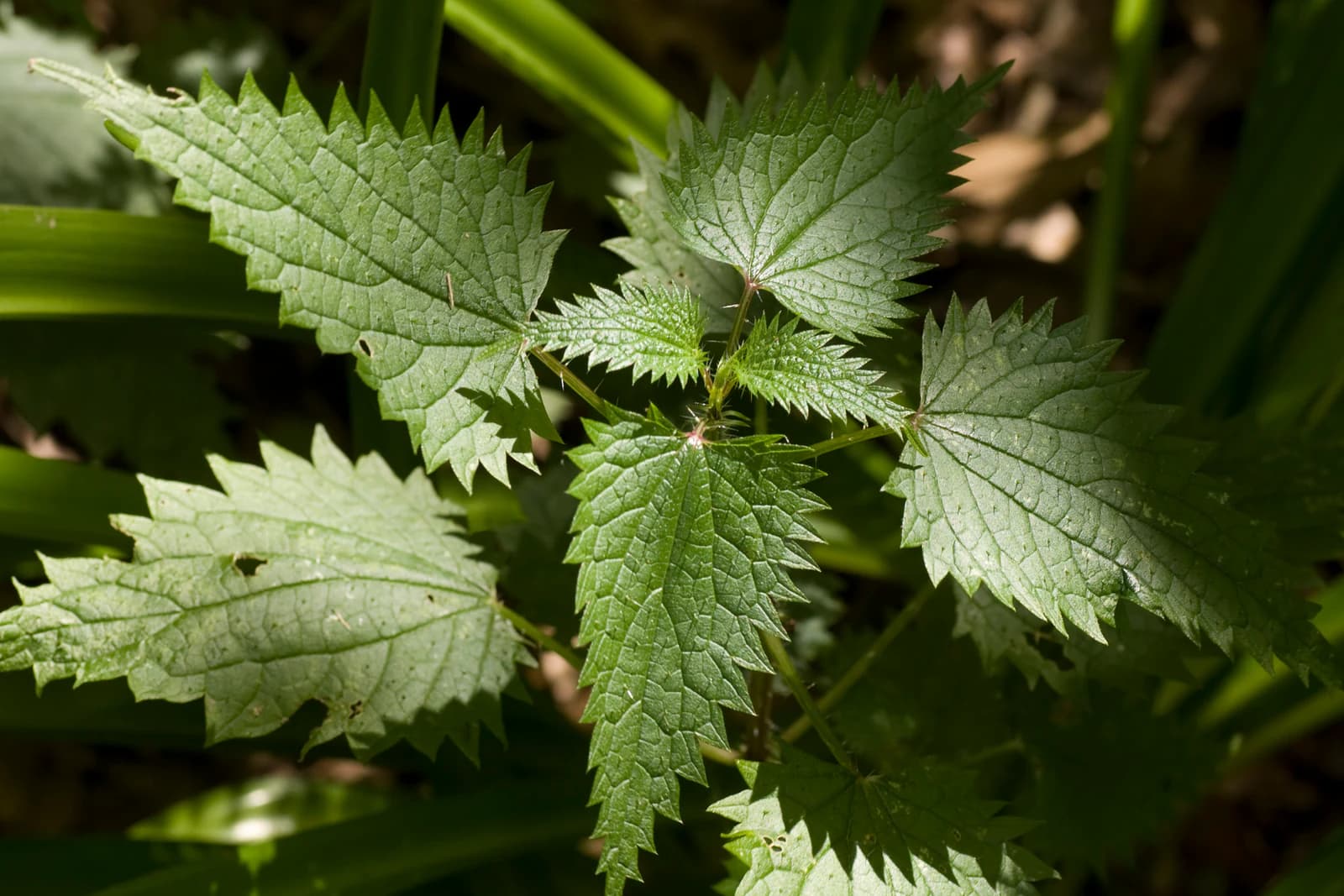
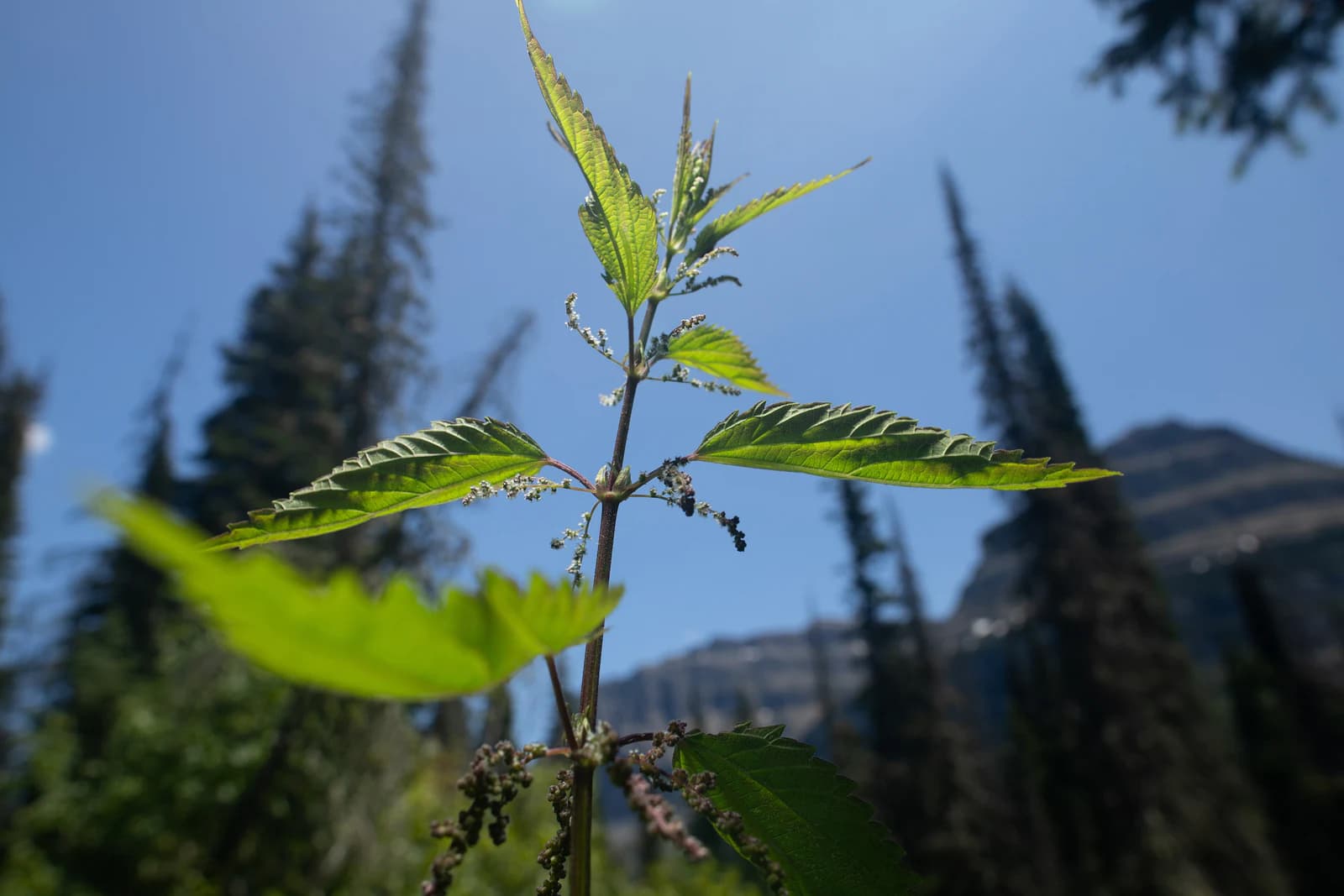
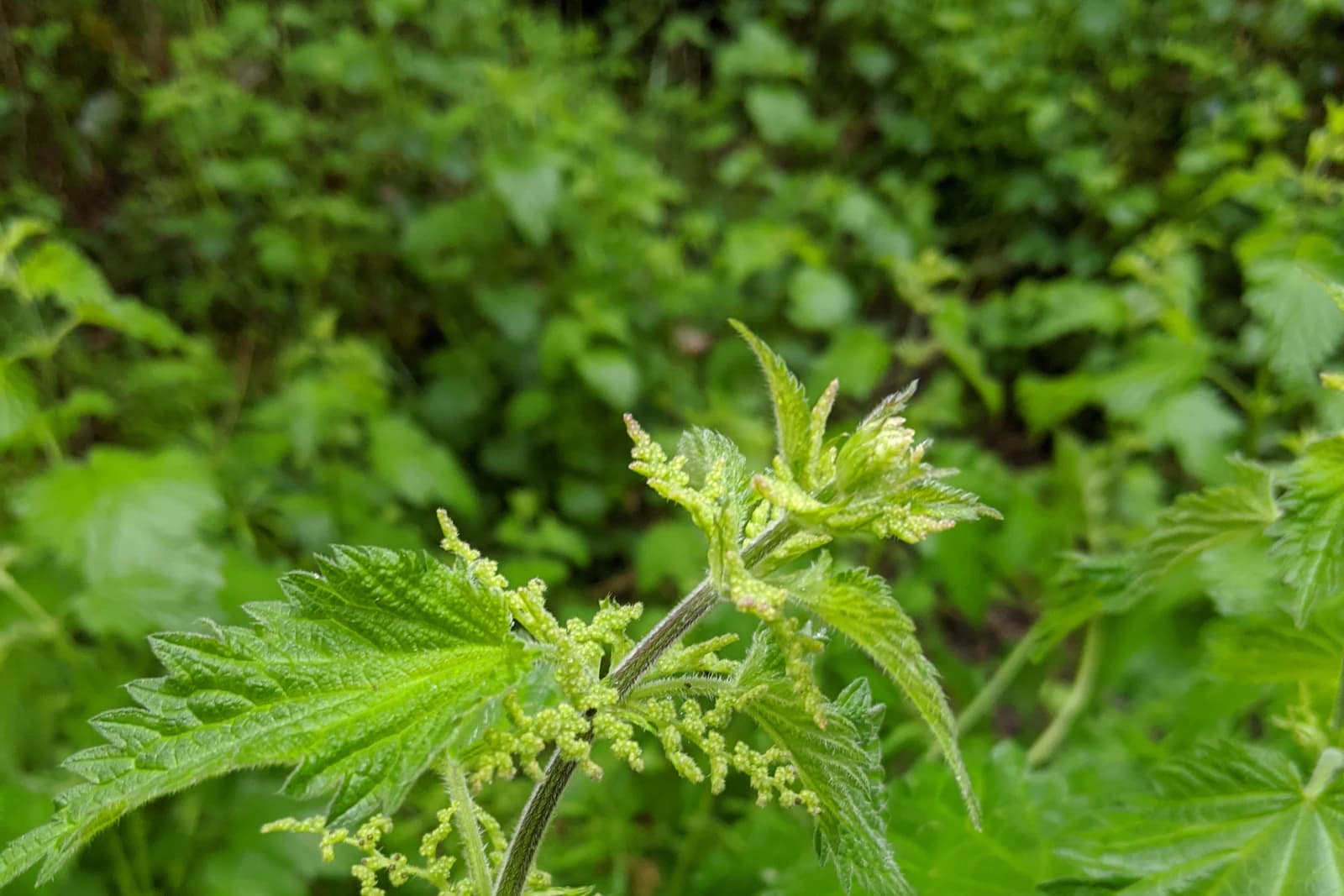
Name from the published inventory
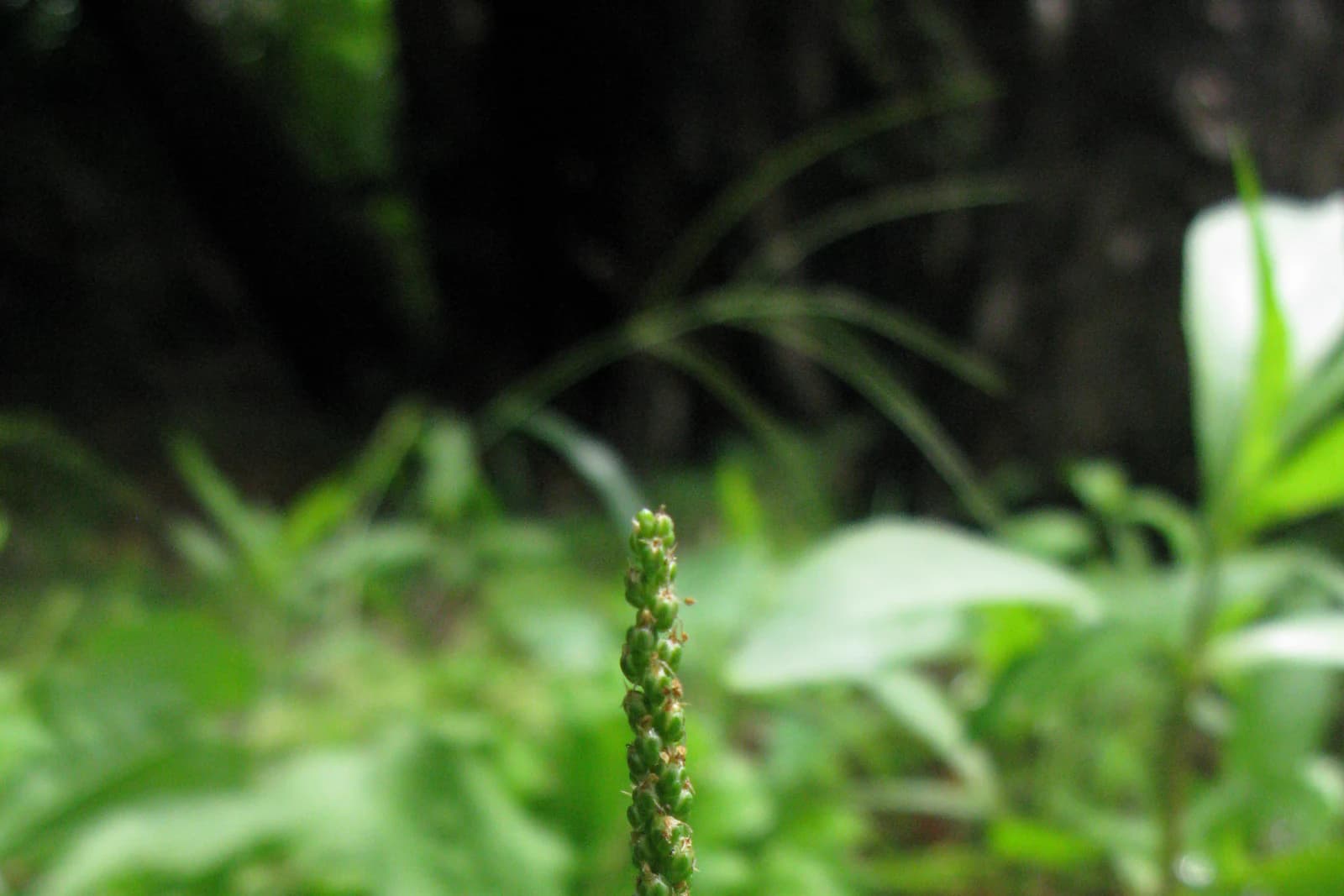
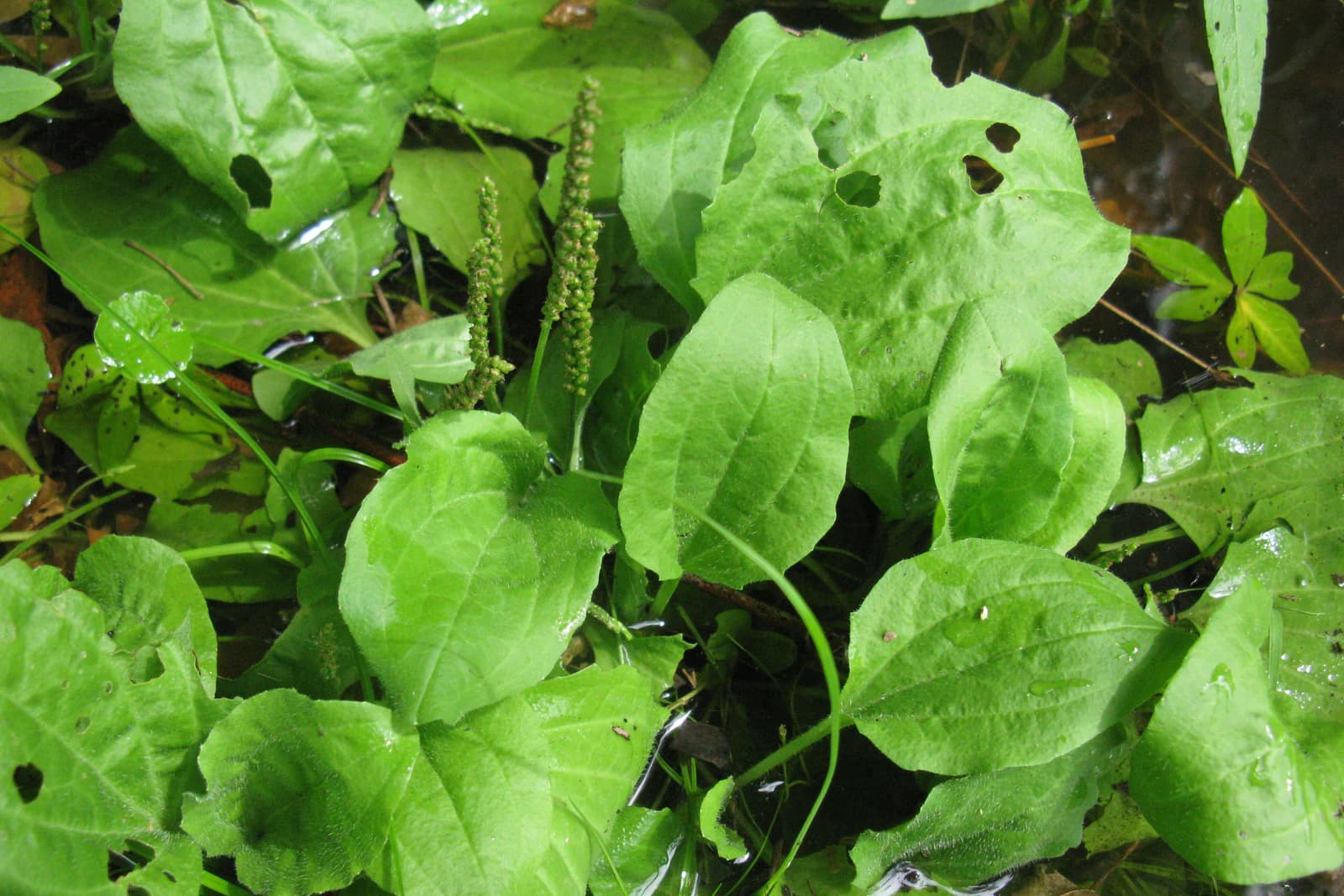
Plantago major L.
A rosette-forming plant with broad leaves and long narrow flower spikes.
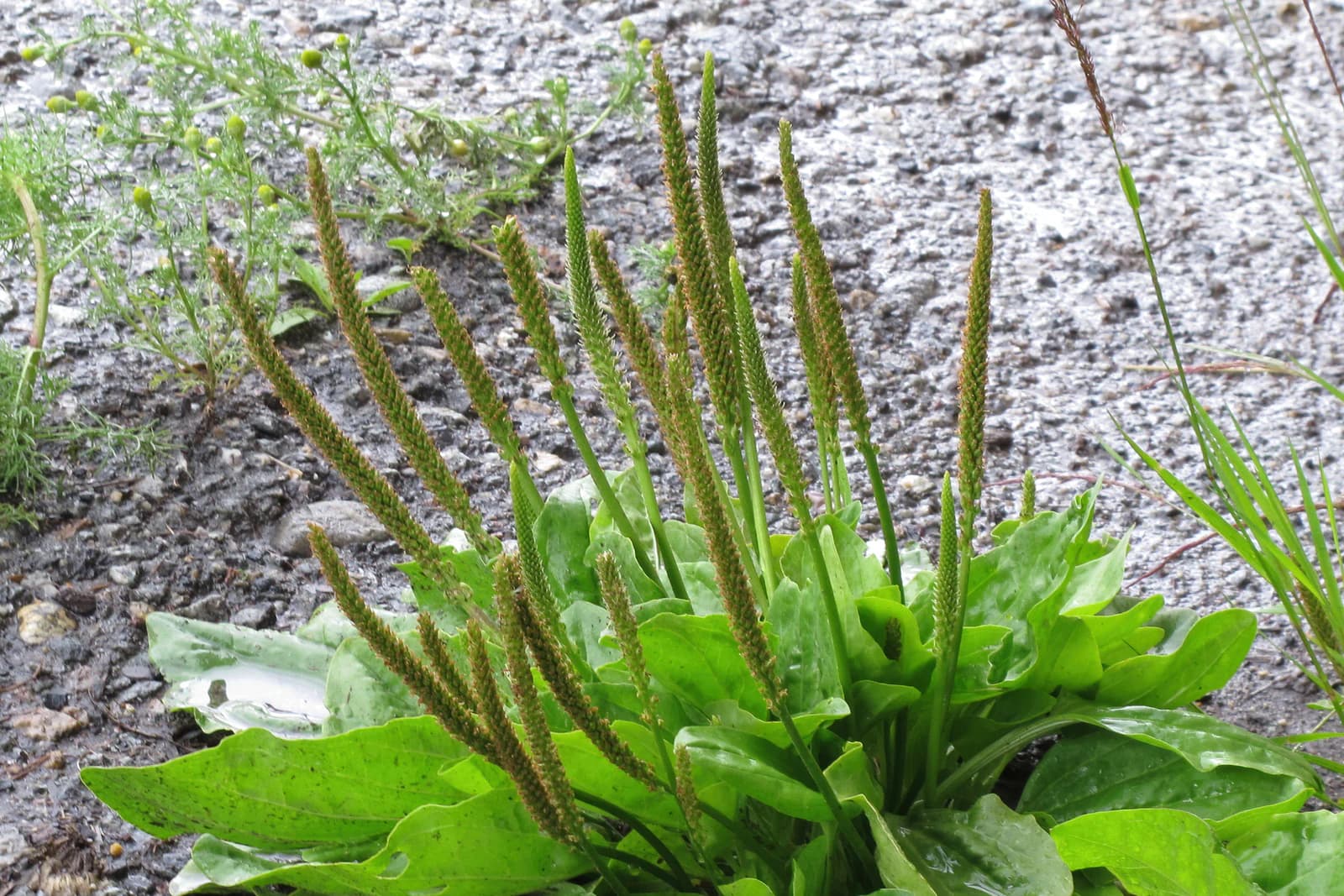
Name from the published inventory
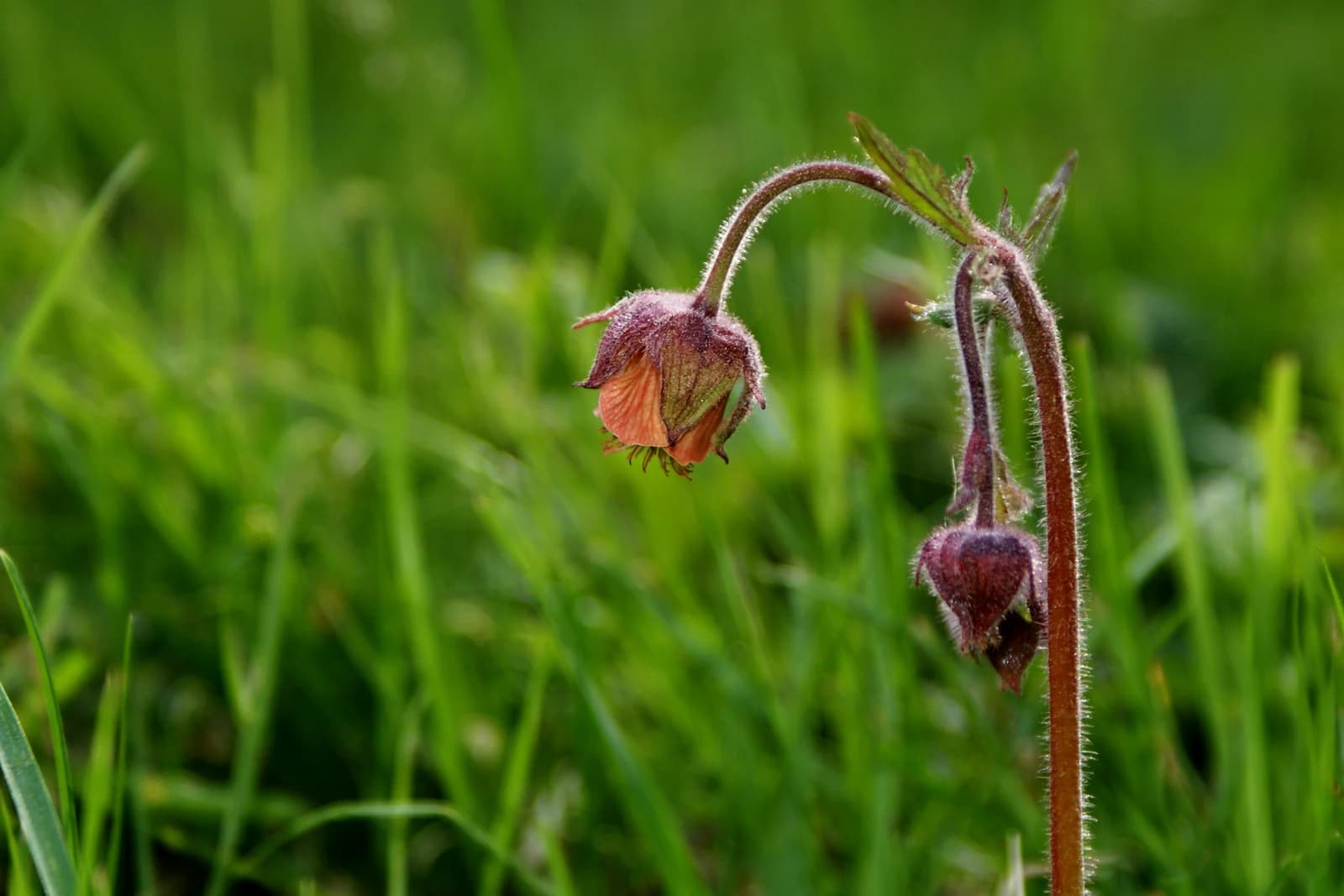
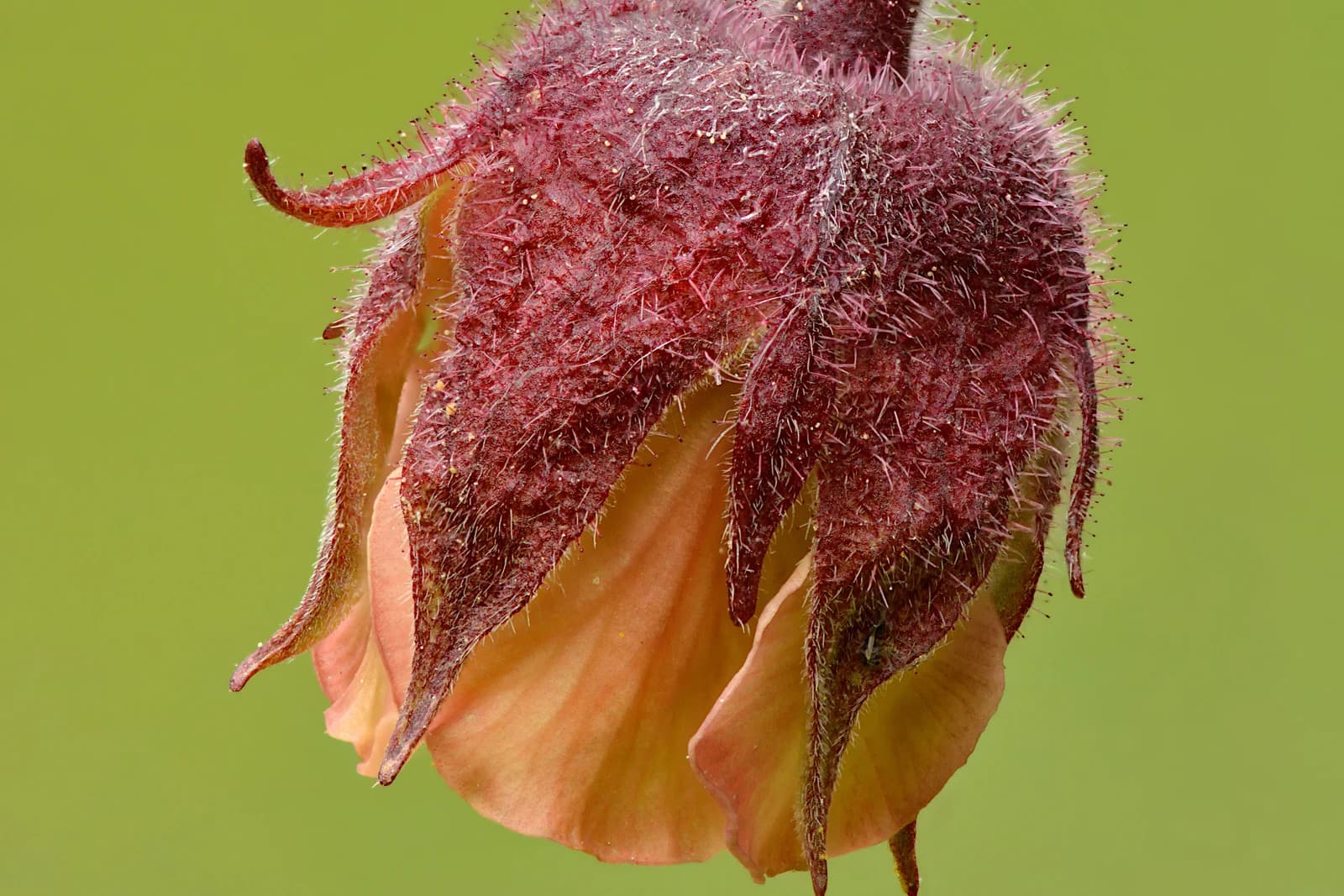
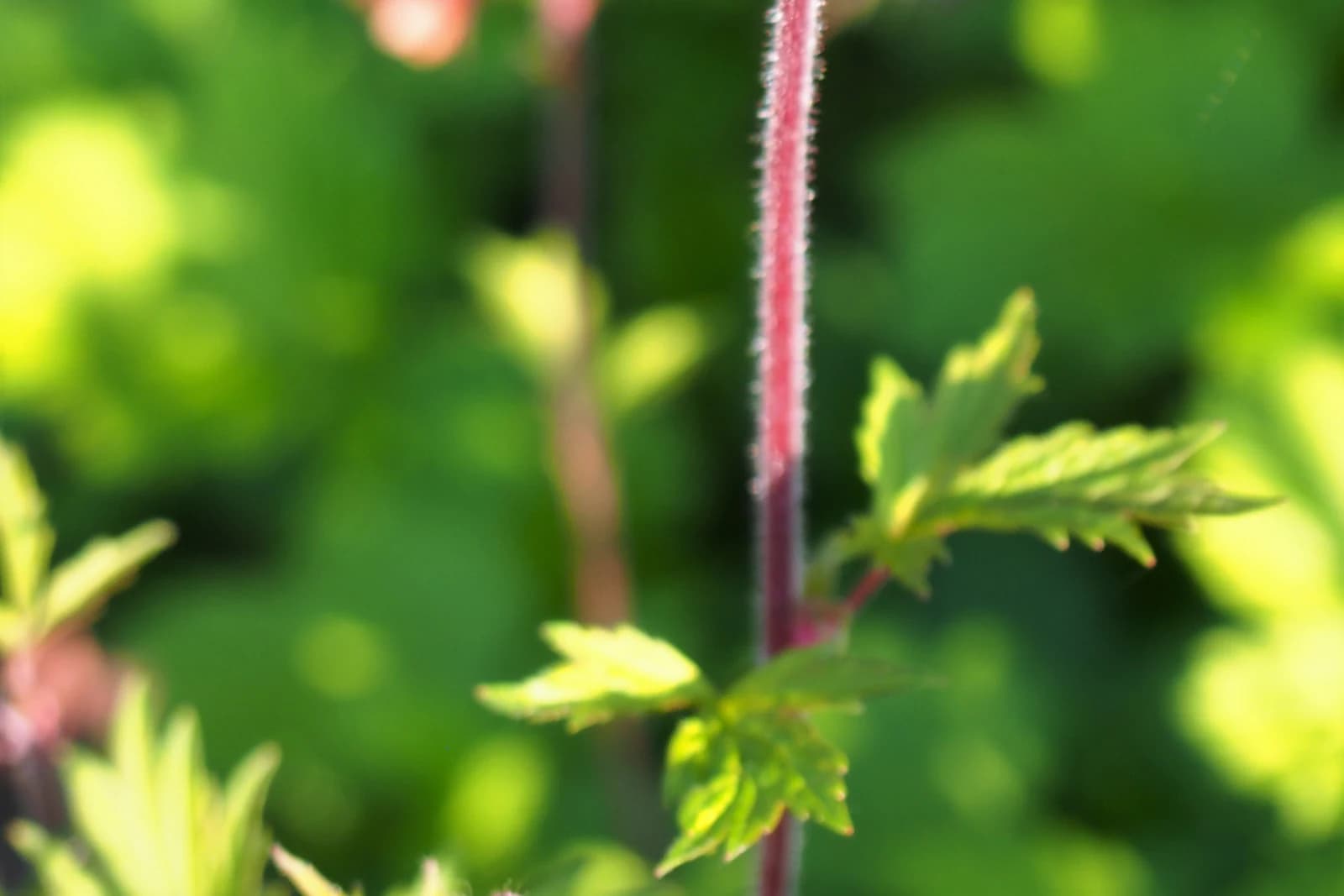
Geum rivale L.
A moisture-loving herb with nodding, bell-shaped, dusky pink flowers.
Name from the published inventory
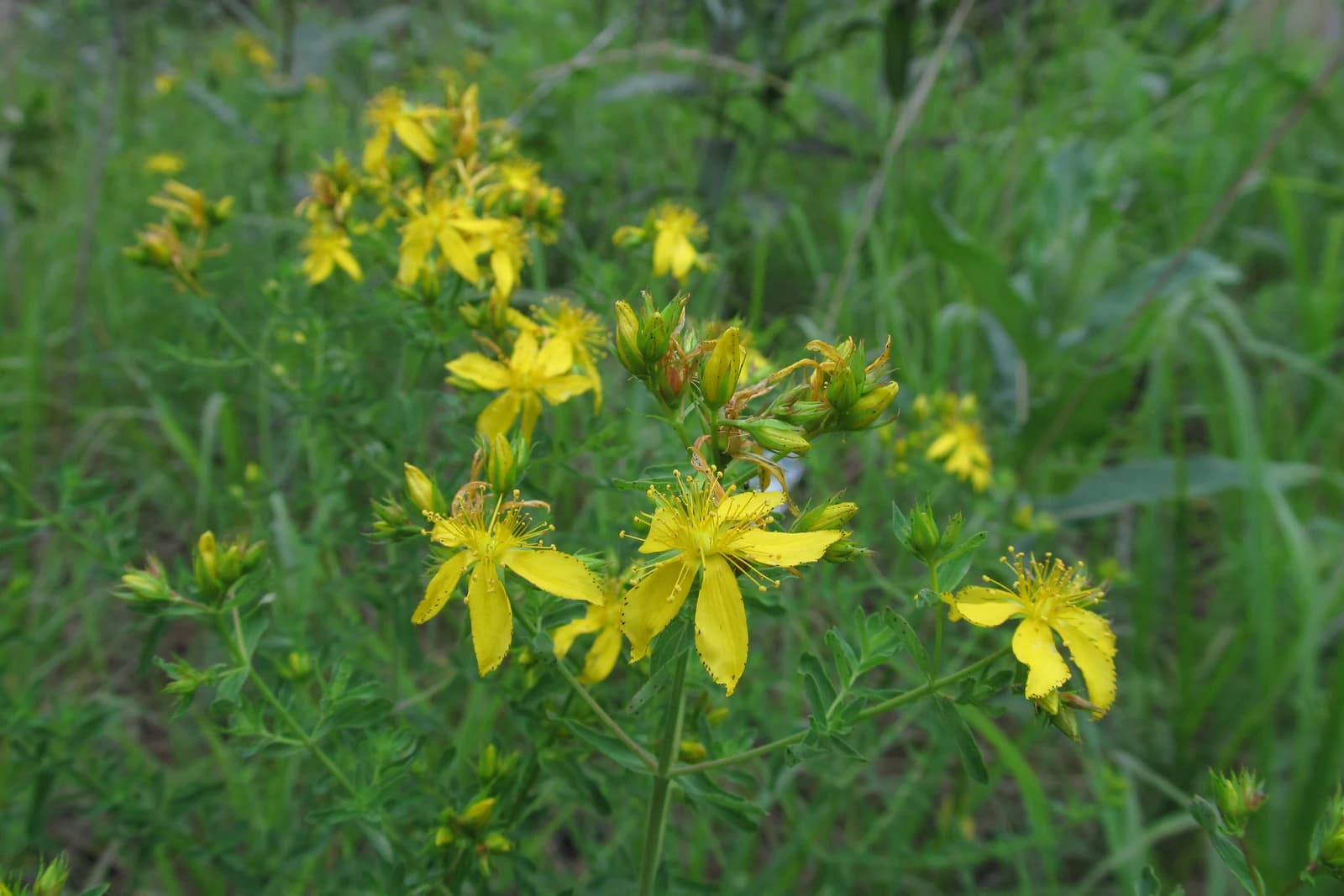
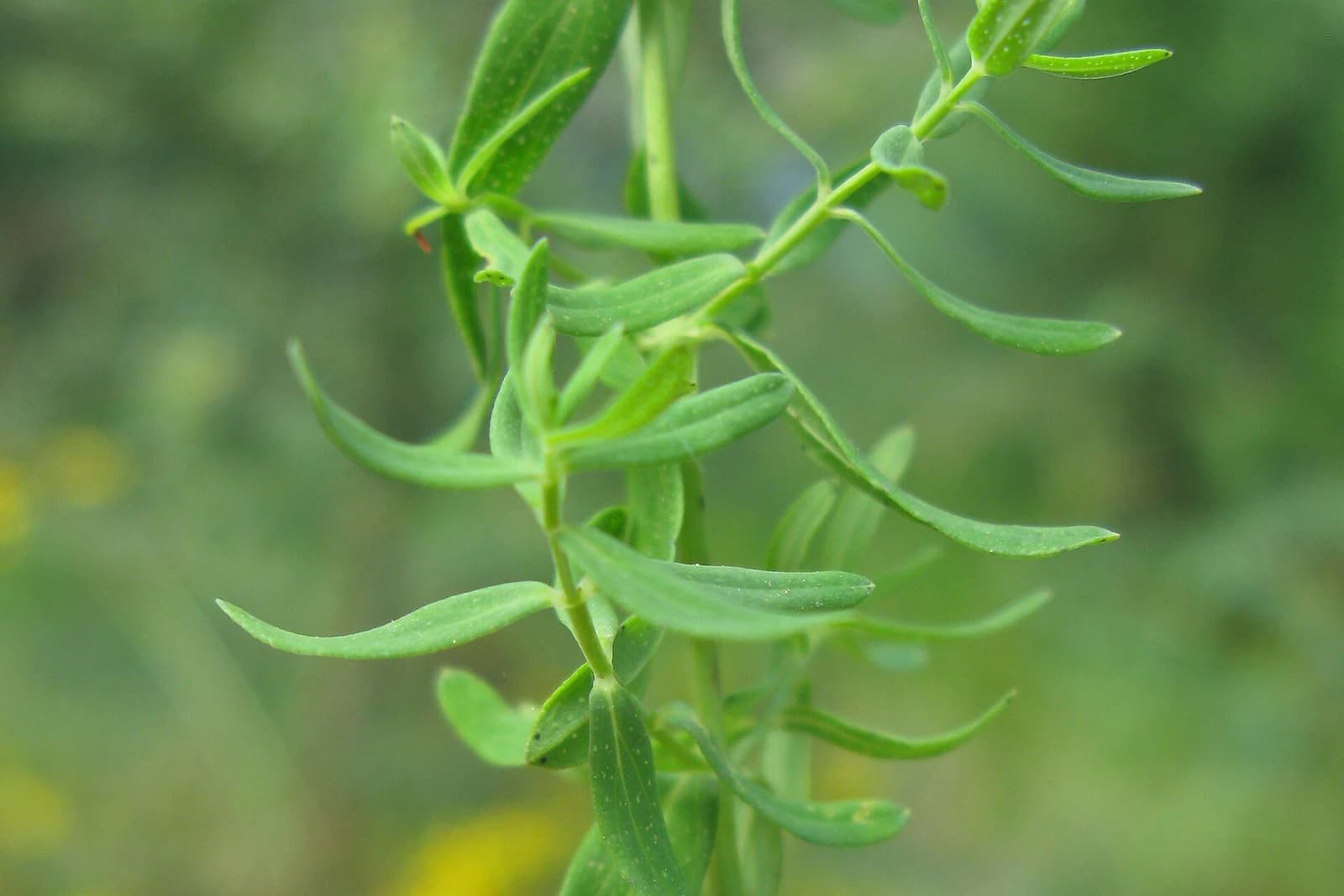
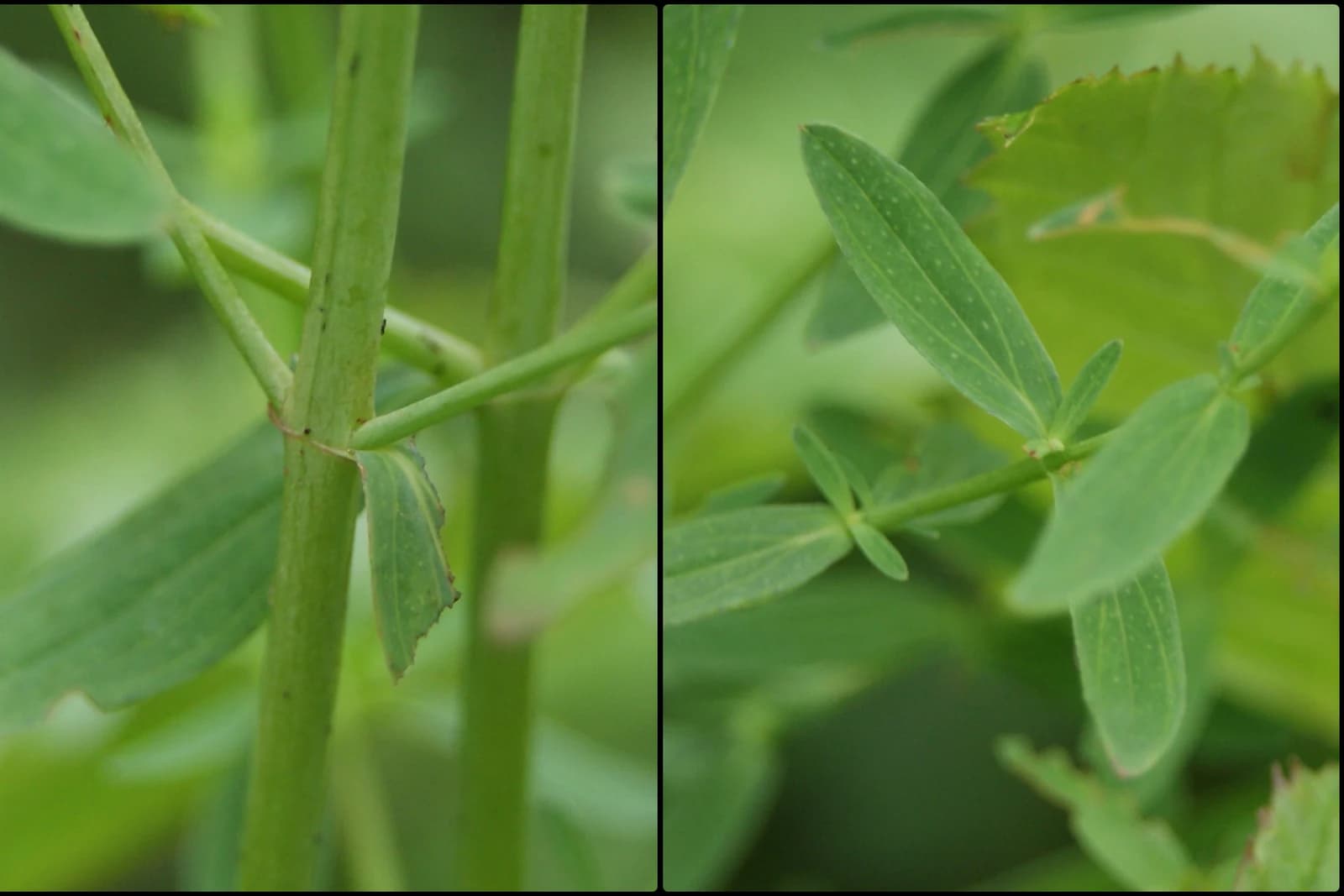
Hypericum perforatum L.
A perennial with yellow flowers and leaves marked by translucent dots.
Name from the published inventory
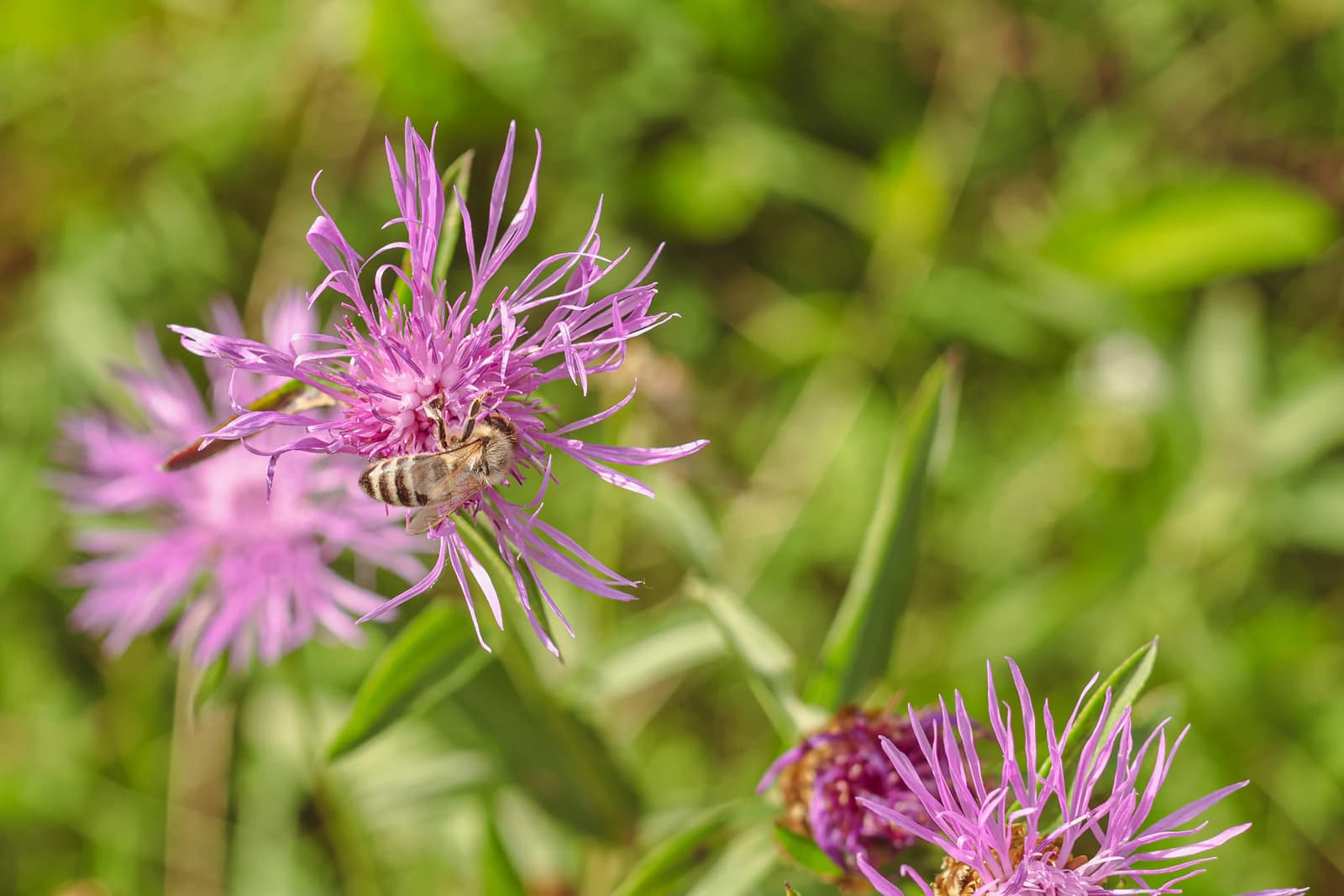
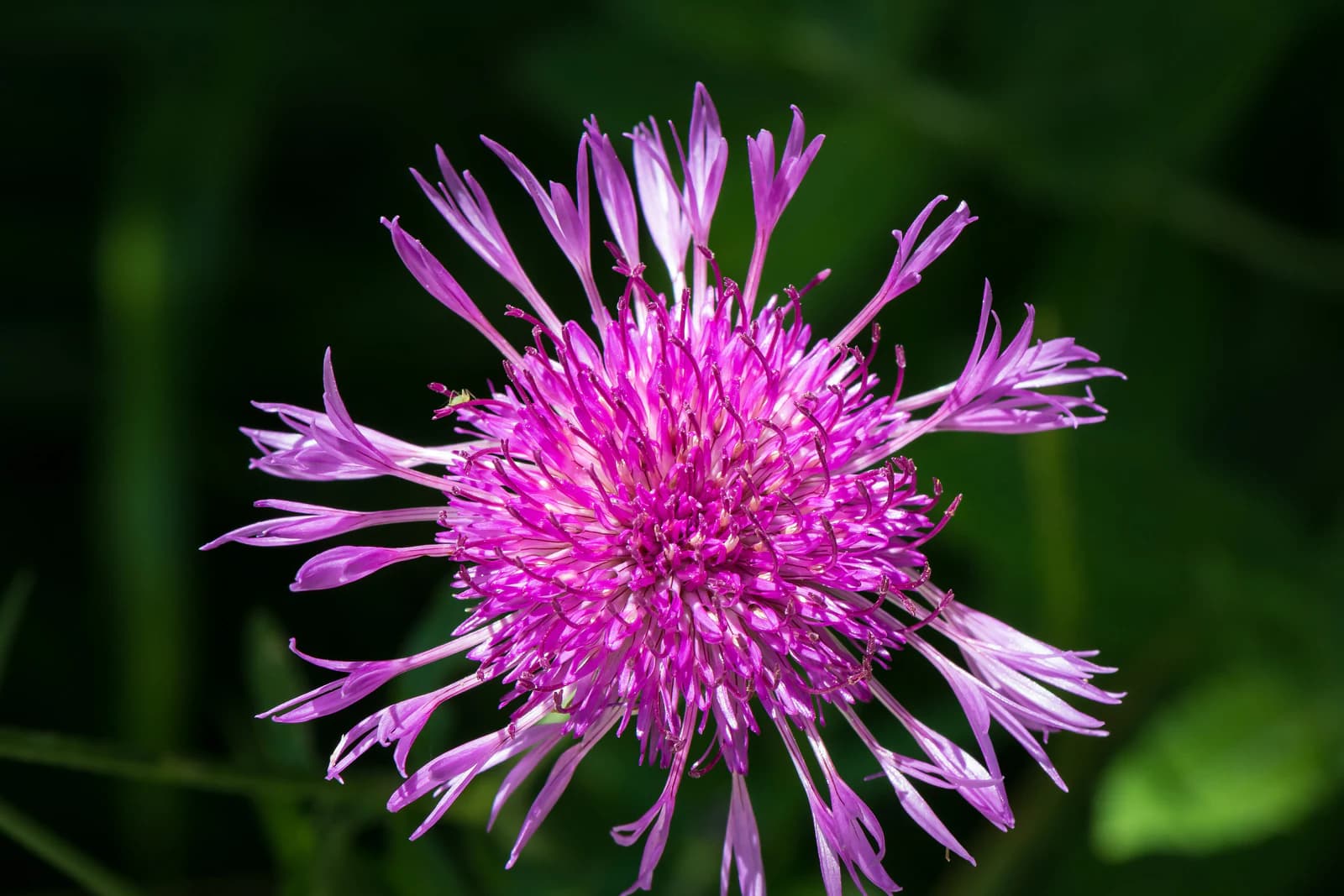
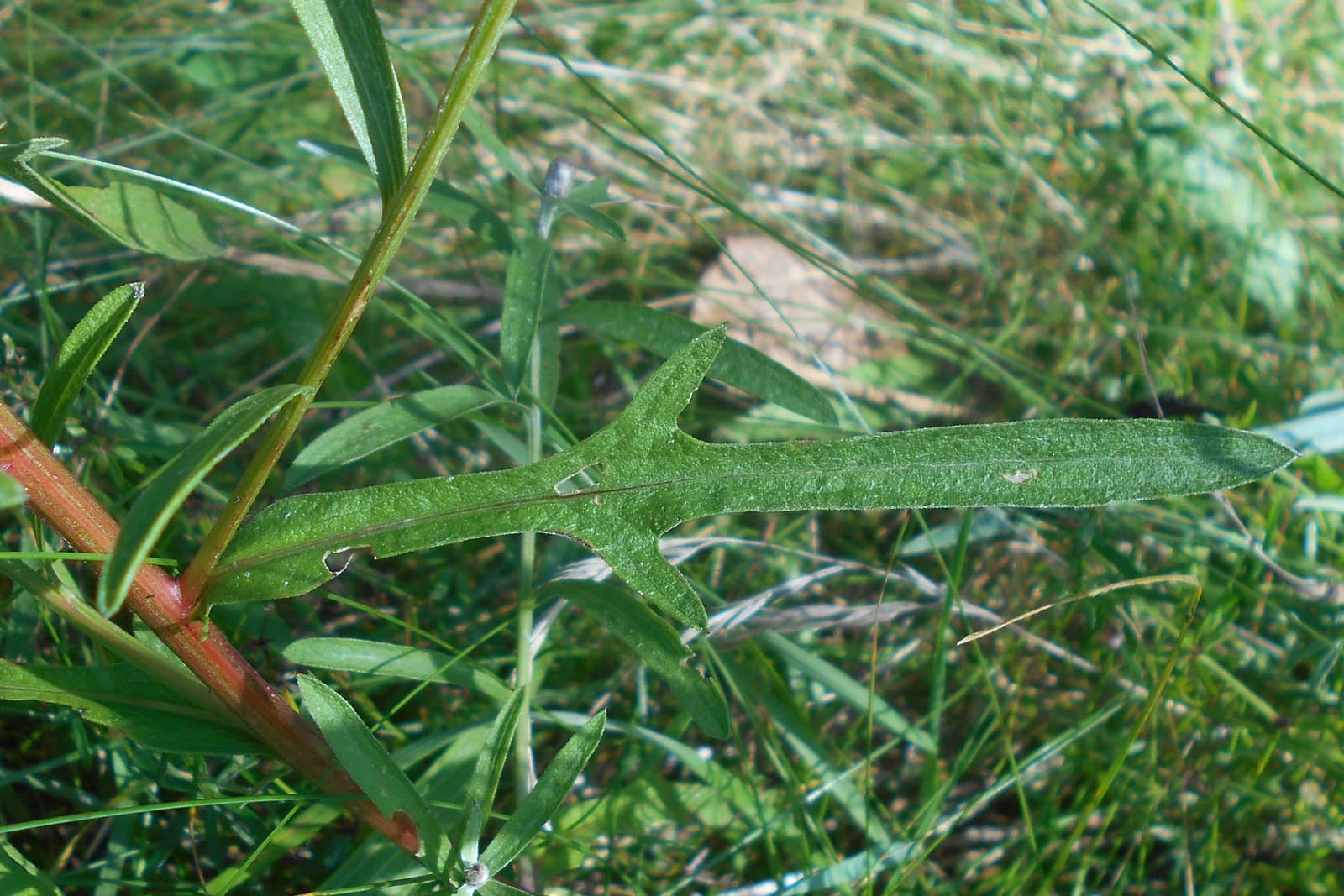
Centaurea jacea L.
A meadow perennial with large purple-pink flower heads.
Care for the site
The regime reproduced in the cadastral report is intended to preserve the park in its natural state.
The current wording of restrictions must be checked with the competent authority before any work.
Conservation through collaboration
The park needs dendrologists, botanists, hydrologists, protected-area specialists, historic-landscape experts and archival researchers. The first joint outcome should be a verifiable inventory and care recommendations that do not harm the old plantings.
For park survey and conservation enquiries: park@zelino.ru